
Last updated November 25, 2026
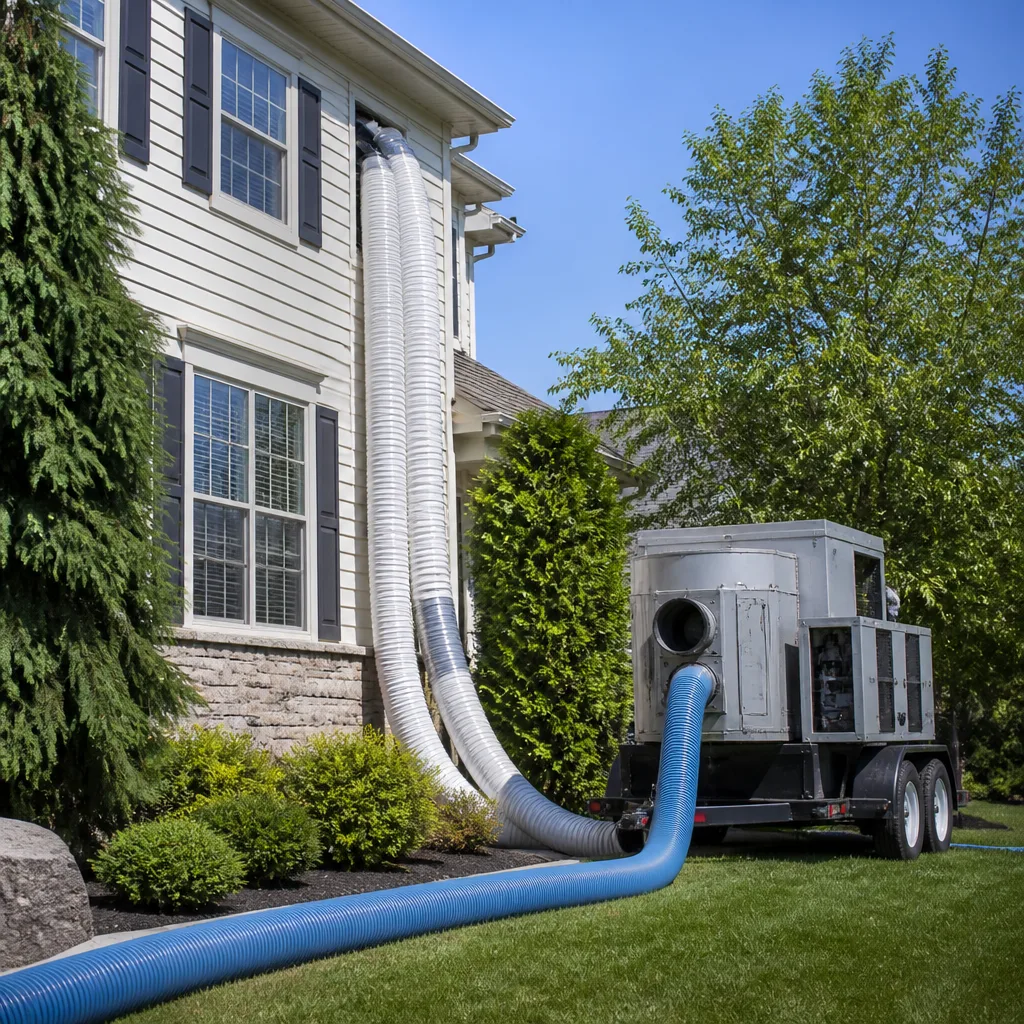 Whole-home duct cleaning
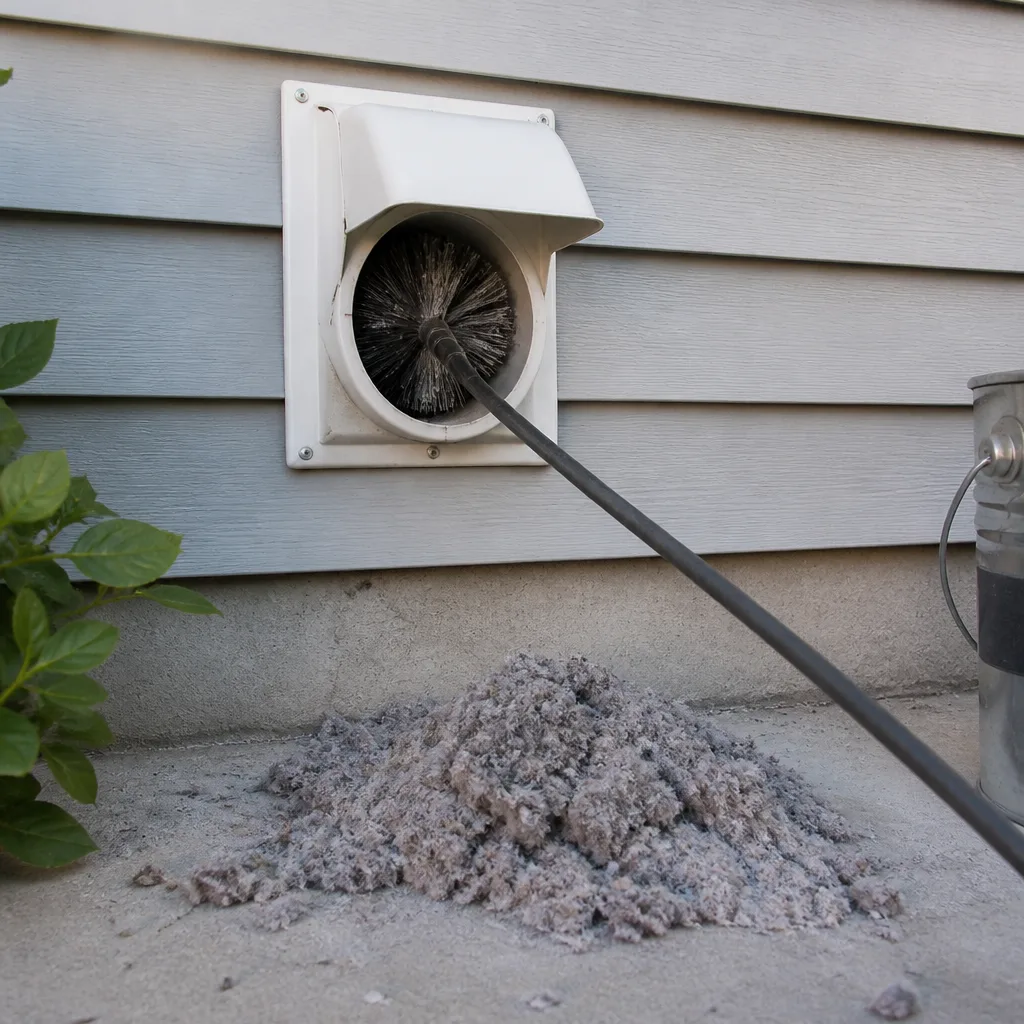 Dryer vent cleaning
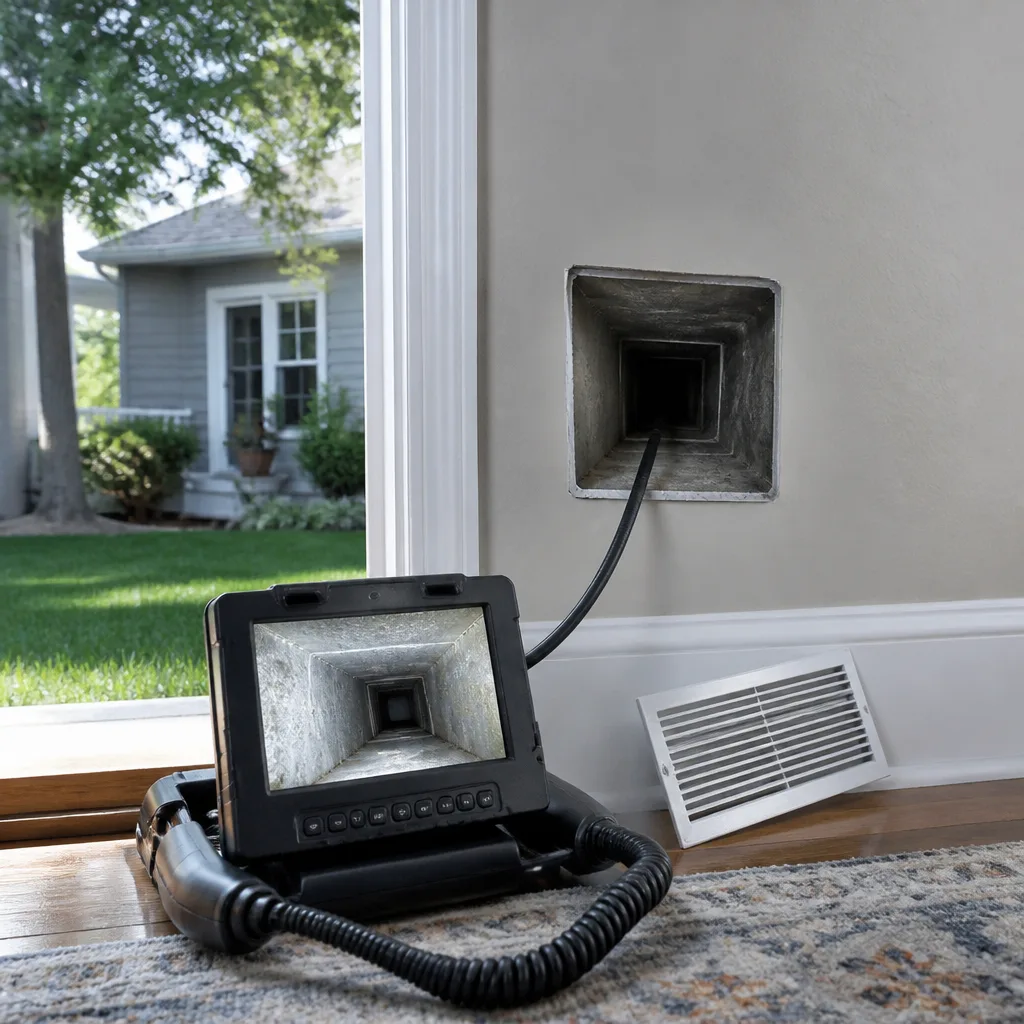 Camera inspection
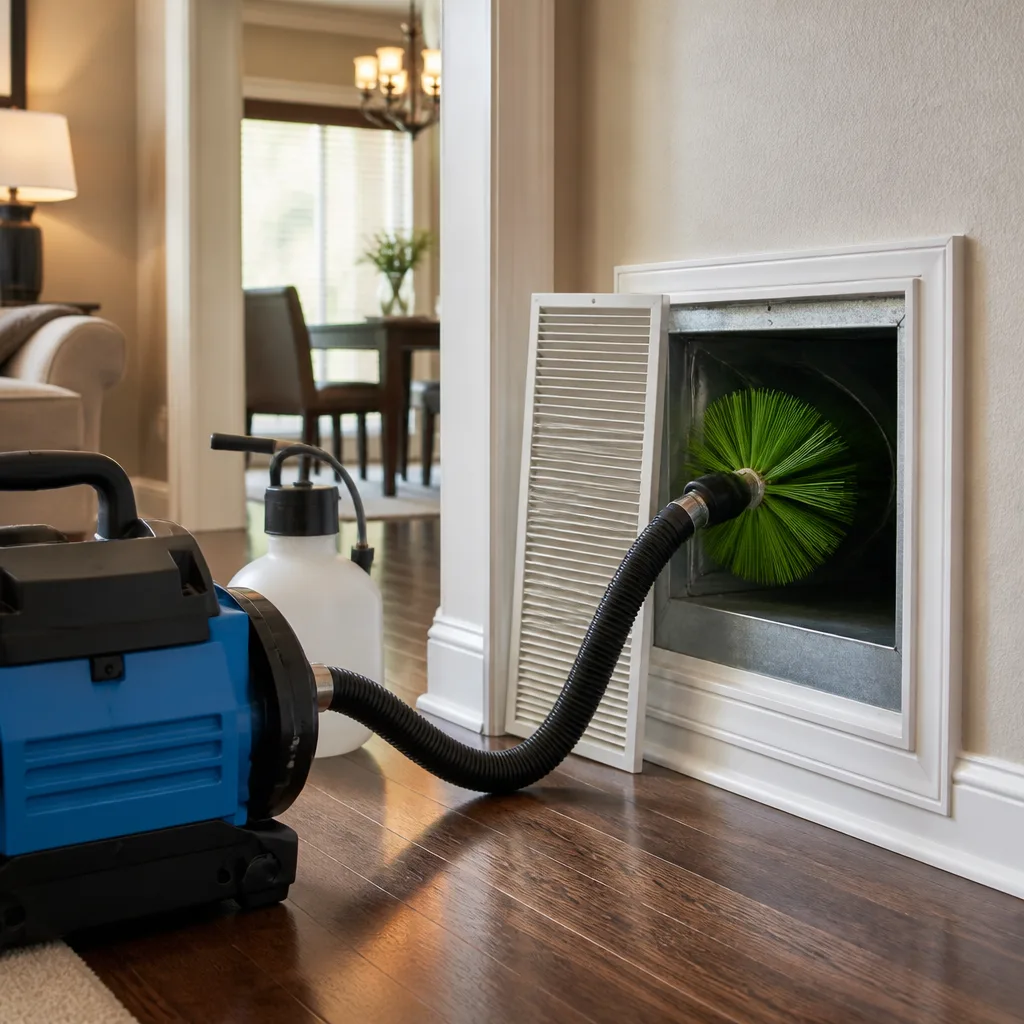 Sanitizing & deodorizing
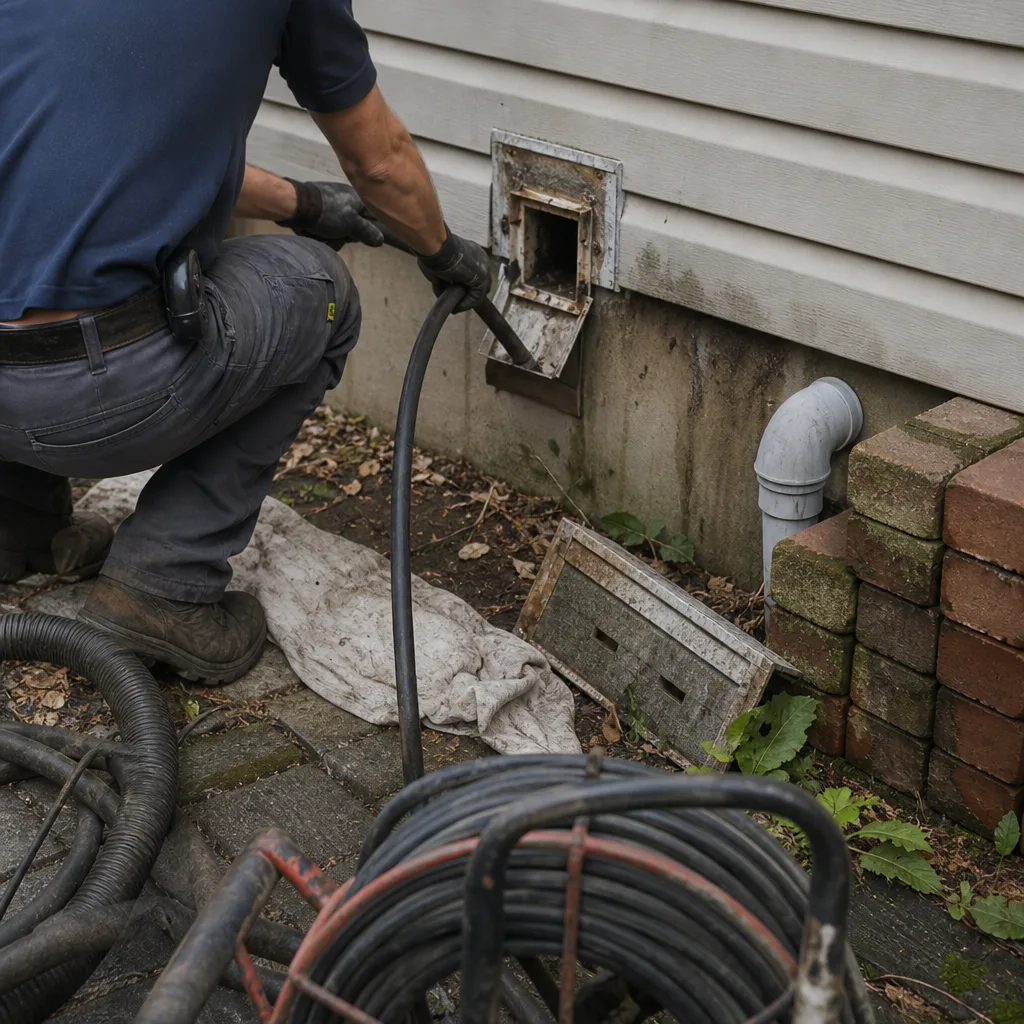
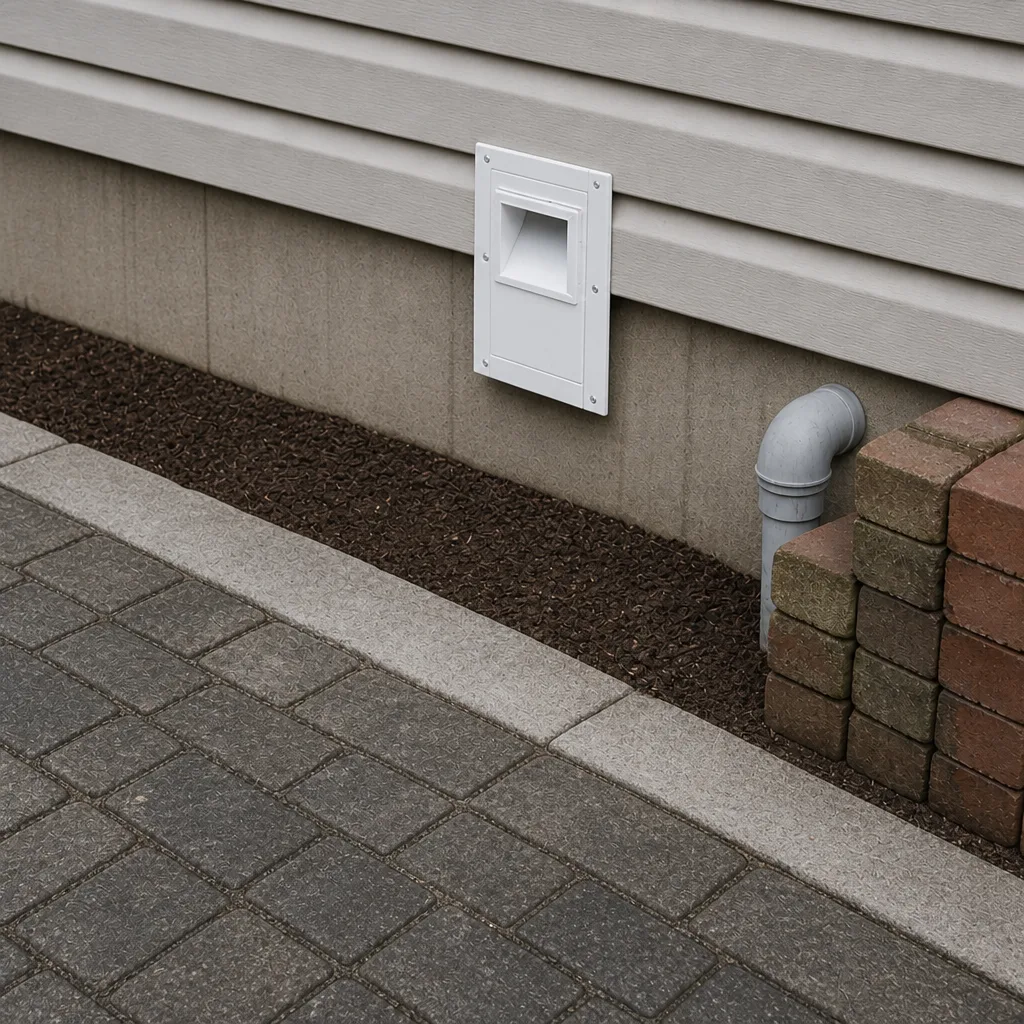
Whole-system duct and dryer vent check with before-and-after photos - you see exactly what came out of your vents
That "$99 whole-house special" is a bait ad - the real number appears once they are in your hallway, or the "clean" is a shop-vac at the register. We photograph the inside of your ducts before and after instead.
How to Hire an Air Duct Cleaning Contractor in Mayfair: A Step-by-Step Guide
Most Mayfair homeowners hiring a duct cleaner make the same mistake. They compare quotes. Price is the easiest thing to compare, so it becomes the only thing people check. Here’s what that costs you: two contractors can quote the same number and show up with completely different equipment. One runs a contractor-grade vacuum rated to pull serious cubic feet per minute. The other wheels in a shop vac and a hose. The invoice looks the same. The work doesn’t. This guide walks you through the five technical questions that separate those two operations before anyone steps through your door, plus the contract terms and red flags we’ve watched play out across Mayfair.
Quick Answer
To hire a duct cleaning contractor in Mayfair, ask five questions before booking: what CFM does your vacuum collection unit produce, what agitation method do you use, how do you contain dislodged dust, can you inspect and seal leaks you find, and will you put scope and collection method in writing? Good answers name specific equipment and describe a containment plan. Vague answers mean a shop vac and a hose. Price comes last, not first.
Styles & brands we work with
- Whole-home duct cleaning
- Dryer vent cleaning
- Camera inspection
- Sanitizing & deodorizing
Table of Contents
- The Five Technical Questions to Ask Before You Book
- Why CFM and Agitation Separate Real Equipment from Hardware-Store Setups
- Why NADCA Membership Matters But Isn’t Enough On Its Own
- Red Flags Specific to the Mayfair Market
- What a Legitimate Pre-Job Walkthrough Looks Like
- Contract Terms to Require in Writing
- Common Mistakes to Avoid
- When to Call a Professional
The Five Technical Questions to Ask Before You Book
These five questions do more work than any review site. Ask them on the phone. The answers tell you within a few minutes whether you’re talking to a contractor-grade operation or a crew that bought a vacuum at a hardware store. Anyone running legitimate equipment answers these without hesitation.
- What CFM does your vacuum collection unit produce, and what’s the static pressure rating? CFM is cubic feet per minute – the volume of air the machine moves. Static pressure is its ability to keep pulling through resistance in the duct run. A real truck-mount or contractor-grade portable unit produces several thousand CFM. A shop vac produces a fraction of that. Ask for the number.
- What agitation method do you use inside the ducts? Vacuum alone doesn’t lift caked debris off duct walls. Rotary brushes, whip lines, and compressed air tools do. Look for contact cleaning – physical brushing against the duct interior – not just a hose pushed into a register.
- How do you contain dust during the job? Dislodging years of debris creates airborne particles. The answer you want involves negative-air machines and HEPA filtration – equipment designed to capture what the cleaning releases, not just exhaust it into the room.
- Can you inspect and seal leaks you find? Most duct systems have gaps at joints, boots, and trunk connections. A crew that only cleans will refer you elsewhere. A crew that repairs what it finds can fix it while the system is open. Ask up front.
- What’s in your written scope, and what’s excluded? You want a document listing the collection method, the areas covered, the agitation tools used, and the post-job inspection. If nobody mentions writing anything down, that’s a signal.
We run Rotobrush contact-cleaning systems and Nikro professional HVAC equipment precisely because those five questions have real answers. Every crew should be able to give you the same.
Why CFM and Agitation Separate Real Equipment from Hardware-Store Setups
Picture the inside of a supply trunk line in a typical older Mayfair home. Years of dust, hair, pet dander, and construction debris have settled and compacted against the duct walls. It’s not loose powder sitting on the floor of the duct – it’s adhered, especially at the seams where airflow slows and particles drop out.
Now consider two approaches. A shop vac connected to a register pulls air from wherever it can, creating little local suction at the opening. The debris farther down the trunk doesn’t move. A contractor-grade unit pulls a much larger volume of air through a sealed connection while a rotary brush travels the length of the duct, physically knocking debris loose for that airflow to carry away. That’s the difference between source-removal cleaning and a register-level vacuum pass.
In practice, that means:
- Contact cleaning – rotary brushes and whip tools that scrub the duct interior, breaking the bond between debris and metal or flex duct.
- High-volume extraction – a vacuum unit with the CFM and static pressure to keep debris moving through the run once it’s airborne.
- Containment – Abatement Technologies negative-air machines and HEPA filtration on site during the job so the air in your living space stays as clean as it started.
When we clean a system in Mayfair, that combination is the baseline, not an upgrade. The CFM question matters because it’s the fastest way to find out whether the contractor you’re talking to operates this way or is improvising with household gear.
Why NADCA Membership Matters But Isn’t Enough On Its Own
The National Air Duct Cleaners Association sets the standards the industry is measured against, and membership signals that a contractor has at least engaged with those standards. But a logo on a website is not equipment on a truck. In our experience, some association-affiliated crews still clean with methods the standards wouldn’t recognize – surface vacuuming without agitation, for example, or no containment plan at all.
So treat membership as a starting filter, then verify four things beyond it:
- What equipment do they actually run, by name? Rotobrush, Nikro, Abatement Technologies – ask for the specific brands. A contractor who names their gear is a contractor who knows it.
- Can they show post-job photos or video? Legitimate operations document the work. Ask to see before-and-after interior shots of ducts from previous jobs.
- Does their scope go beyond cleaning? Can they address air-quality equipment, sealing, or dryer vent service? Referrals out the door for every follow-on need tell you something.
- Will they do a walkthrough first? Anyone who bids a duct job over the phone without seeing the system is guessing at best.
For Mayfair homeowners, that means asking the same questions of a NADCA-affiliated crew as of any other – the affiliation is a floor, not a ceiling. If a company has the right equipment and the right process, they’re happy to talk about both.
Red Flags Specific to the Mayfair Market
Mayfair’s housing stock is older, and that makes it a regular target for two specific plays. Knowing them saves real money.
The first is door-to-door solicitation. A crew claims to be “in the neighborhood working nearby” and offers to inspect your ducts today. Legitimate contractors don’t typically sell work by knocking. There’s no ability to verify equipment, experience, or scope when a pitch happens at your front door.
The second is the “$99 whole house” price. Run the math. A genuine whole-system cleaning on an older Mayfair home involves several hours of crew time, contractor-grade equipment, containment setup, and a walkthrough. That’s not billable at $99. The low price becomes a vehicle to get a technician inside, after which the price climbs as “problems” are found – and the homeowner is already on the spot. It’s the bait-and-switch reputation that hovers over this trade, and it’s the reason we quote one flat price per system, agreed before work starts, with before-and-after photos of your own ducts.
Two more flags worth noting:
- No walkthrough. A contractor who quotes without seeing the system hasn’t assessed it.
- No written scope. If the work description exists only in the sales conversation, it doesn’t exist.
Clean ducts are only the start too – if the company can’t talk about filtration, air quality, or duct repair, the scope stops at vacuuming.
What a Legitimate Pre-Job Walkthrough Looks Like
Any contractor cutting corners skips the walkthrough. It’s the tell. A proper walkthrough takes fifteen to twenty minutes and is the moment when a contractor assesses what needs to happen in your specific home.
Here’s what it should include:
- Locating the air handler or furnace and inspecting it. The air handler and coil compartment collect debris just like the ducts do, and sometimes more. Real HVAC cleaning includes the source, not just the lines.
- Counting and locating registers and returns. Supply and return counts tell a contractor how many connections the equipment will need.
- Checking duct material and condition. Rigid metal, flex duct, and ductboard respond differently to cleaning. Flex duct that’s torn or disconnected needs repair before it can be cleaned properly.
- Looking for signs of leaks, gaps, and disconnected runs. This is when a crew determines whether duct repair and sealing is part of the job.
- Confirming access points. Duct systems often need access panels cut and resealed for cleaning to reach the full run.
A contractor who skips any of that is bidding blind. If we don’t see the system, we don’t know what we’re quoting – and neither does anyone else. During our walkthroughs in Mayfair, that inspection is also when we identify whether the right next step is filtration or humidity equipment from Honeywell or Aprilaire.
Contract Terms to Require in Writing
Verbal agreements slip. A written scope protects both sides. Insist on these elements in writing before anyone starts.
- Scope of work. Which ducts, how many connections, air handler included or excluded, registers and returns covered, and any areas not being cleaned.
- Collection and containment method. The named equipment or at least the method – negative air, HEPA, contact cleaning with rotary brush tools.
- Post-job inspection process. What’s checked and how. Before-and-after photos of the interior are a reasonable ask.
- Exclusions. Anything the crew isn’t doing: inaccessible runs, damaged flex duct, disconnected sections, attic or crawlspace pathways they won’t enter.
- Price and payment terms. One flat price per system, agreed before work starts, in writing.
- Follow-on work approval. If repairs or sealing are needed, they should be itemized and approved separately – not added mid-job.
The estimate is free and the written estimate sets the final price. If a contract is missing any of that, ask for it in writing or find a contractor who will put the scope in writing by default.
Common Mistakes to Avoid
- Comparing on price alone. Two identical quotes can represent very different equipment. Ask about CFM and agitation before you compare numbers.
- Booking the door-knocker. Door-to-door pitches in Mayfair happen because the sale is made before anyone can verify equipment or scope. Book from a verifiable source instead.
- Biting on the “$99 whole house” teaser. That price doesn’t support a real cleaning on an older Mayfair system. Expect it to grow.
- Skipping the walkthrough. A phone quote without an on-site assessment misses duct damage, disconnected runs, and air handler condition.
- Cleaning without sealing leaks. Cleaning a leaking system without sealing it means new dust enters quickly. Ask whether repair is available in the same engagement.
- Ignoring the dryer vent. Dryer vent cleaning is a separate fire-safety service that most duct cleaners either don’t offer or treat as an afterthought. Ask.
- Not asking for photos. A crew that documents the job before and after is a crew confident in its work. If nobody offers photos, ask for them.
When to Call a Professional
Most homeowners call when something’s clearly off. That’s fine – just don’t wait until the system is fully compromised.
Call a professional duct cleaner if you’ve noticed allergy or asthma flare-ups that get worse indoors, inconsistent airflow between rooms, rising energy bills with no clear cause, visible dust around registers, or condensation issues near vents. Also call if you’ve recently renovated – construction debris settles deep into ducts, and it’s easier to remove before it becomes part of the system. And call if you’ve never had the ducts serviced and don’t know their history. Homeowners, not just vent-by-vent cleaning outfits, benefit from an honest walkthrough. Property managers in Mayfair with older housing stock will find the same applies across units.
If you’d rather not patchwork services across providers, one call covers it all – cleaning, sealing, air-quality upgrades, and dryer vent cleaning handled in a single coordinated engagement. Professional-grade equipment, not shop-vac shortcuts, and a written scope before anything starts. Air Duct Cleaning Mayfair offers free estimates in Mayfair – call (888) 611-5717. We answer 24/7. Fast dispatch from 7am to 7pm, Sunday through Friday.
See the difference
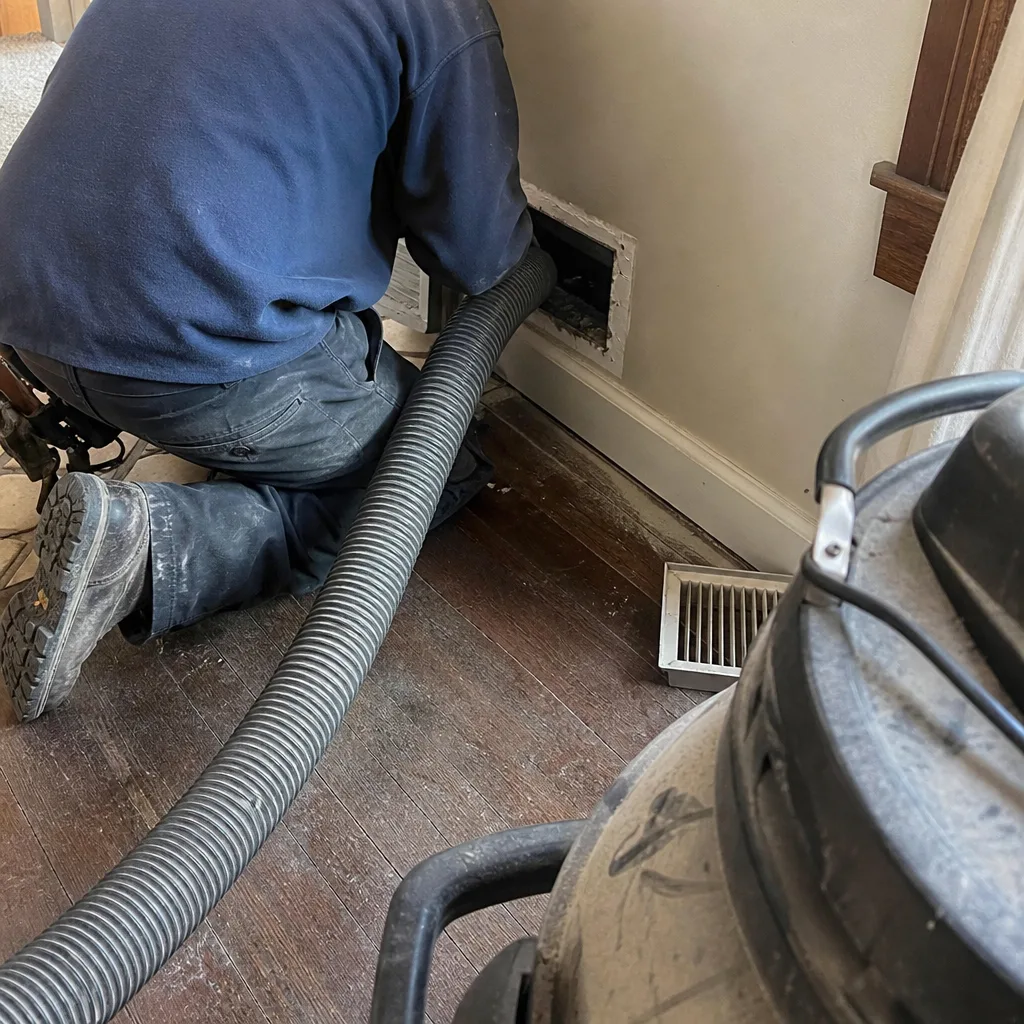 Before
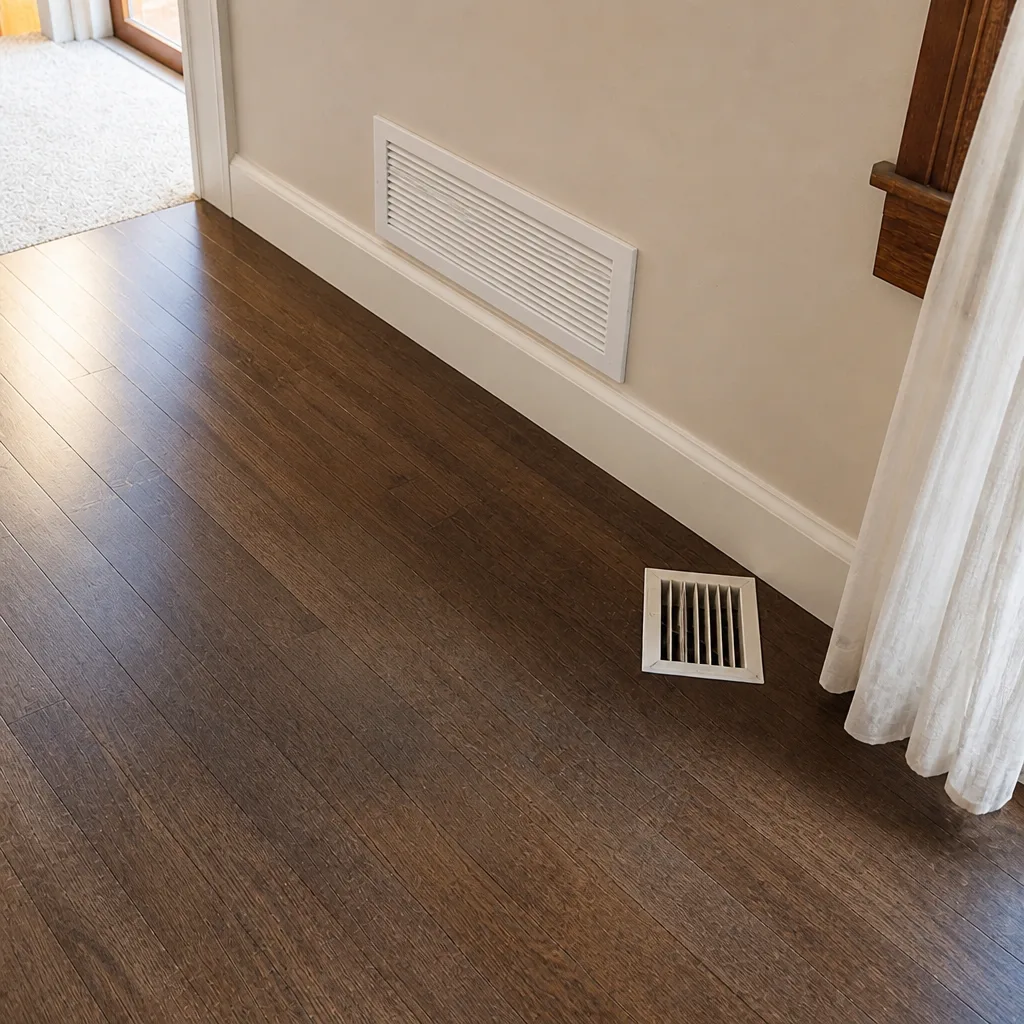 After
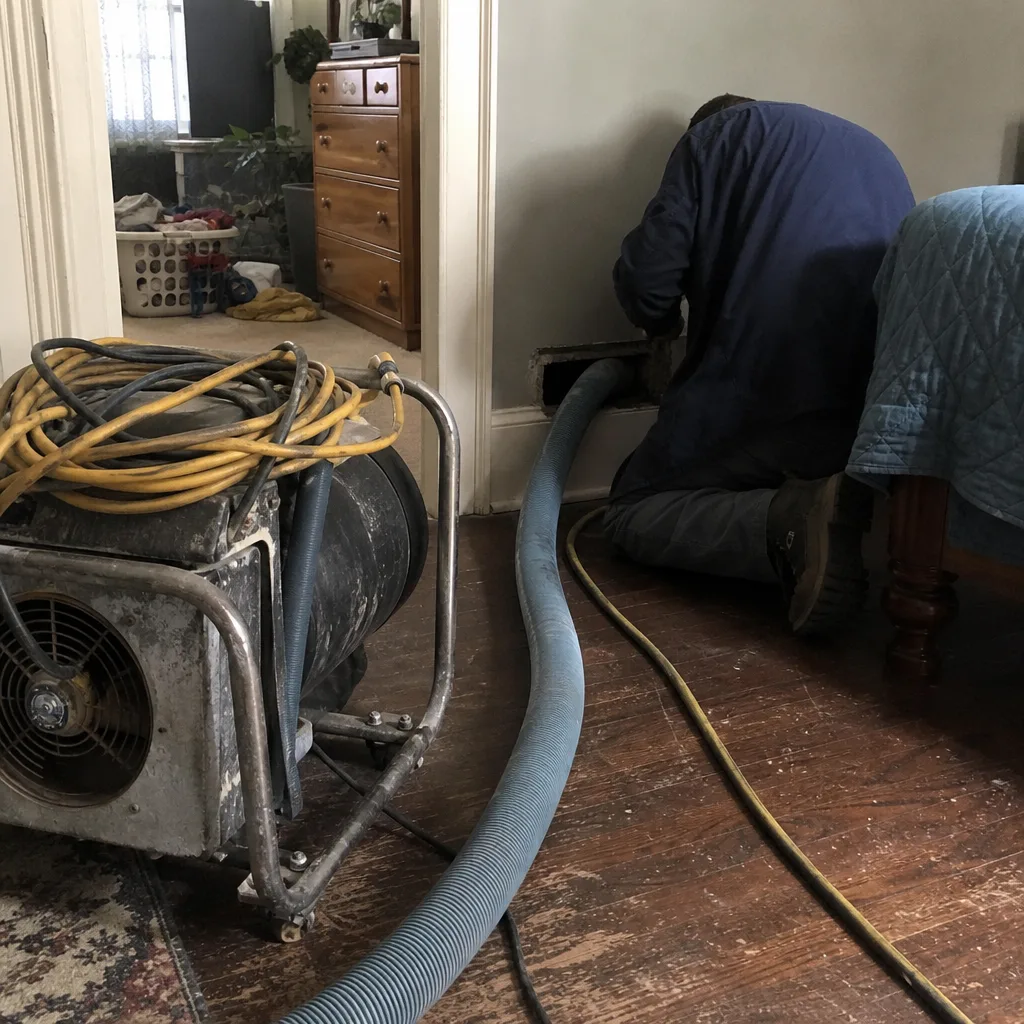 Before
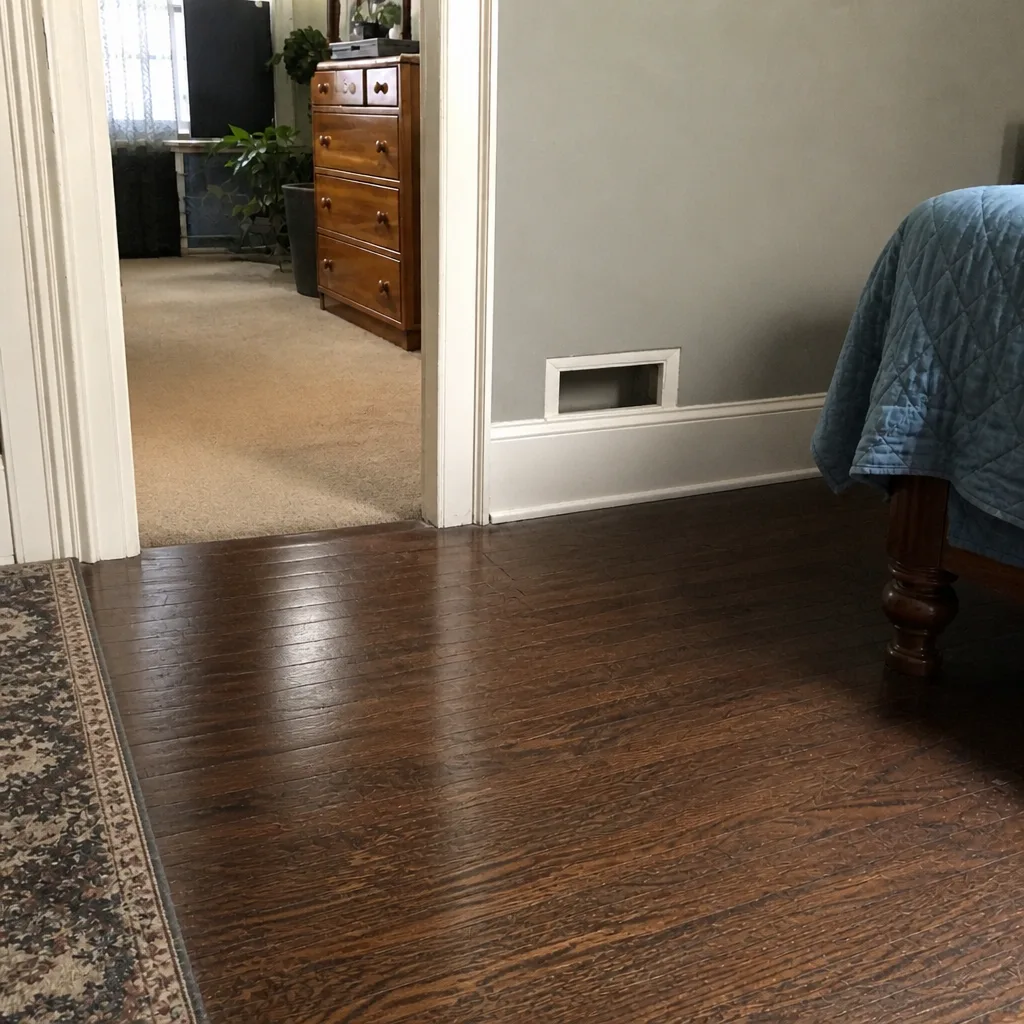 After
 Before
 After
Frequently Asked Questions
Cost in Mayfair depends on system size, register and return counts, duct condition, and whether the air handler needs cleaning. There’s no honest flat rate across all homes. What you should insist on is one flat price per system, agreed before work starts, in writing – not per-vent pricing. The written estimate sets the final price. Call (888) 611-5717 for an exact quote – estimates are free.
Because they’re not quoting the same job. Cheaper quotes usually skip agitation tools, containment equipment, and air handler cleaning, or rely on a household-grade vacuum. Some are designed to grow once the technician is inside. The way to tell the difference is to ask about CFM, agitation method, and containment before you compare numbers. Call (888) 611-5717 for a scope that matches the price.
Ask for before-and-after photos of your own ducts. A crew with real equipment documents the work and can show it. You should also expect a post-job inspection and a written scope that named what was covered. Before-and-after photos of the ducts are standard with us. Call (888) 611-5717 to schedule.
There’s no universal answer. Homes with pets, recent renovation, allergy sufferers, or older systems benefit from cleaning every few years. If airflow is consistent and dust isn’t a visible problem, ducts can go longer. Ask for a walkthrough assessment rather than booking on a calendar schedule. Call (888) 611-5717 to talk through your home.
Check it, but don’t stop there. NADCA affiliation indicates a contractor has engaged with industry standards. It doesn’t confirm which equipment they run, whether they do walkthroughs, or whether they document the job. Ask about specific gear – Rotobrush, Nikro, Abatement Technologies – and about the walkthrough and written scope. Those four answers together tell you more than the logo alone.
Often yes. Older Mayfair homes typically have gaps at joints, trunk connections, and boots. Cleaning without addressing leaks means dust re-enters quickly. Ask whether the contractor offers duct repair and sealing as part of the same engagement. We repair what we find, in the same visit as the cleaning.
The Bottom Line
Hiring a duct cleaning contractor isn’t a price comparison. It’s a five-question test, followed by a walkthrough, followed by a written scope. CFM and agitation determine whether the cleaning does anything. Containment determines whether the dust ends up in your living space. Repair and sealing determine whether the results last. NADCA affiliation is a floor, not a ceiling; ask beyond the logo. Skip the door-knocker and the $99 teaser. Demand the walkthrough and the contract in writing. If a crew can answer all five questions and put the scope on paper, the price is honest – and the work is real.
For an air duct cleaning estimate in Mayfair, call (888) 611-5717. We answer 24/7. Fast dispatch from 7am to 7pm, Sunday through Friday.
Written by the team at Air Duct Cleaning Mayfair.