
Last updated November 25, 2026
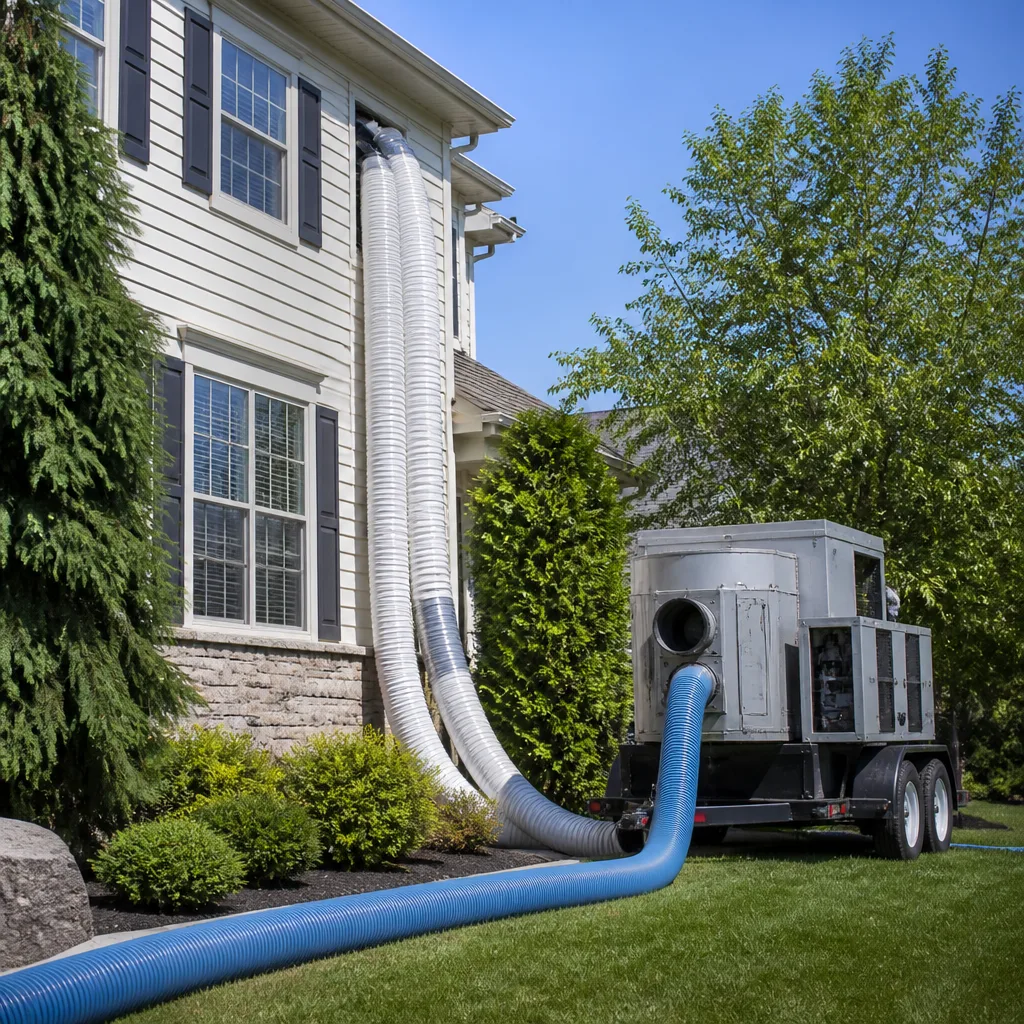 Whole-home duct cleaning
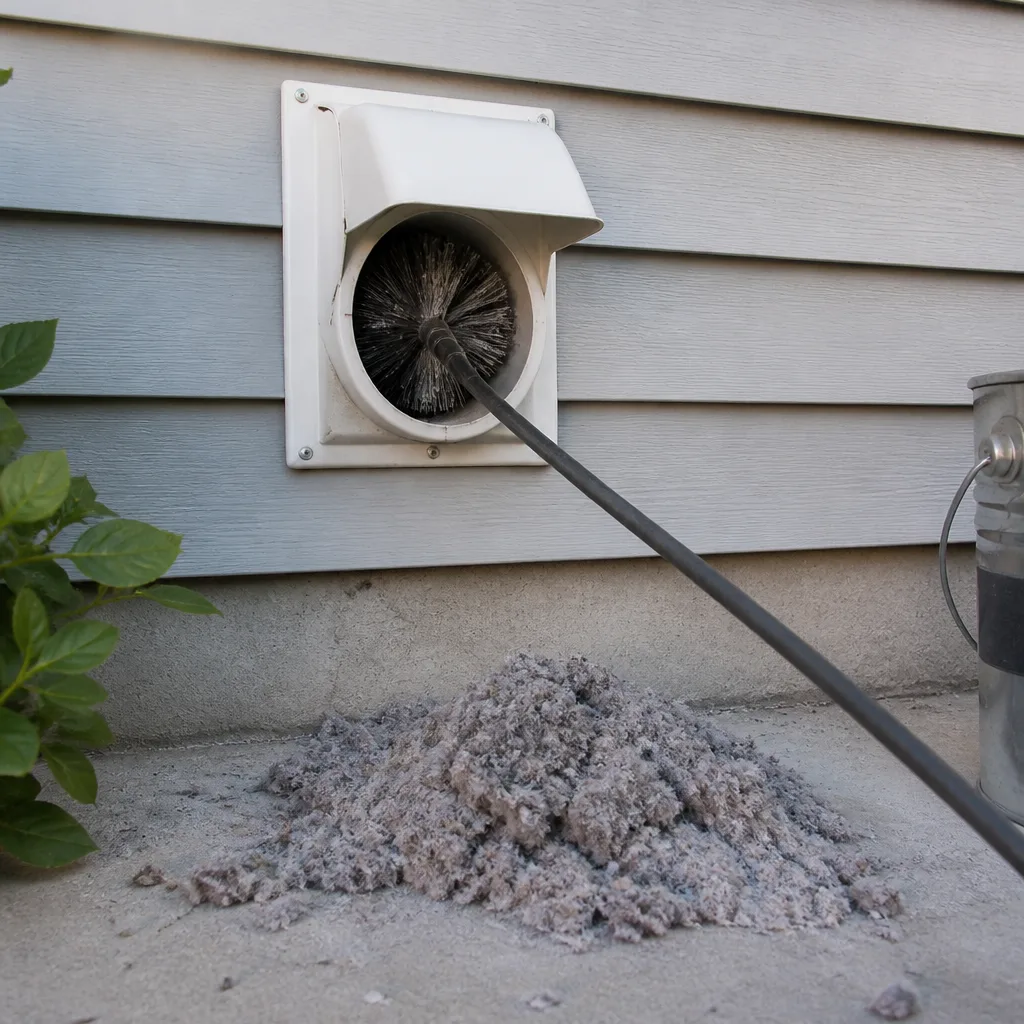 Dryer vent cleaning
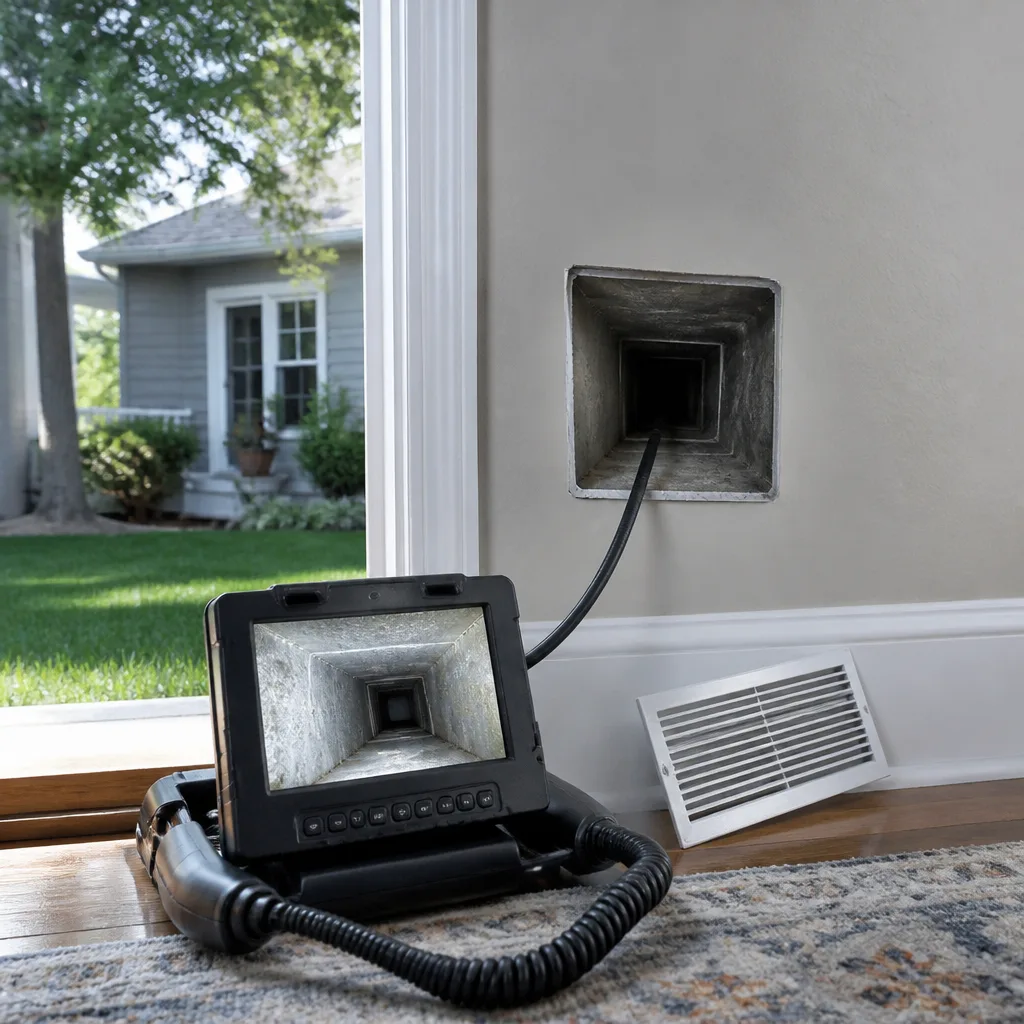 Camera inspection
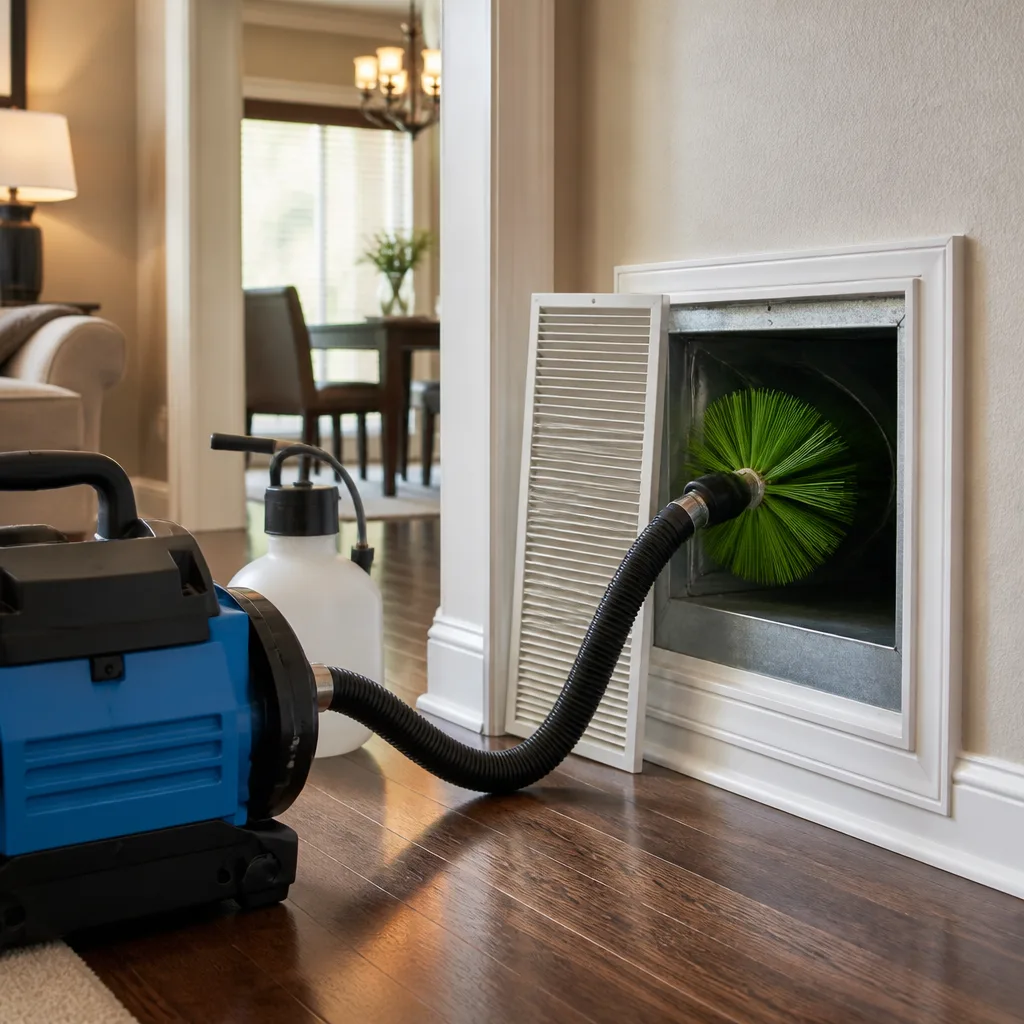 Sanitizing & deodorizing
Whole-system duct and dryer vent check with before-and-after photos - you see exactly what came out of your vents
That "$99 whole-house special" is a bait ad - the real number appears once they are in your hallway, or the "clean" is a shop-vac at the register. We photograph the inside of your ducts before and after instead.
Air Duct Cleaning Emergency Preparedness Guide for Mayfair Homes
Most people assume the ductwork can wait until after the mess is cleaned up. In practice, the order matters more than the cleanup itself. If your furnace or air handler ran during a basement flood, a kitchen fire, or a sewage backup, the blower pulled airborne contaminants into the return and pushed them out through every supply register in the house. The ducts became part of the contamination zone before the water was extracted. That single fact changes how the whole recovery should be sequenced, what your insurer needs to see, and why a routine vacuum-and-go cleaning won’t satisfy the problem.
This guide walks through Mayfair homes specifically: the three emergencies that demand immediate duct evaluation, when to shut the system down, what to document, and how post-emergency cleaning differs from ordinary service.
Quick Answer
After a flood, fire, or sewage backup in a Mayfair home, turn the HVAC system off immediately and leave it off until the ductwork is evaluated and cleaned. Post-emergency duct cleaning is not the same as routine cleaning: it requires containment, source-removal of contaminated material, and documentation your insurer will accept. Timing matters, because contamination settles and bonds to duct surfaces within hours.
Styles & brands we work with
- Whole-home duct cleaning
- Dryer vent cleaning
- Camera inspection
- Sanitizing & deodorizing
Table of Contents
- The Three Emergencies That Require Immediate Duct Evaluation
- HVAC Shutdown Protocol: When and How to Turn It Off
- Documentation to Gather Before Cleaning Begins
- How Post-Emergency Cleaning Differs From Routine Service
- Mayfair Flood Risk and Basement HVAC Placement
- Dryer Vent: The Other Emergency Vector
- Step-by-Step Post-Emergency Recovery Sequence
The Three Emergencies That Require Immediate Duct Evaluation
Not every household disruption reaches the ductwork. The three that almost always do are flooding, smoke and fire, and sewage backup. Each one deposits a different kind of material, and each one calls for a different cleaning response.
1. Flooding
Water itself doesn’t travel through ducts in most cases. What happens is subtler. A basement flood raises indoor humidity to near saturation, and moisture-laden air gets drawn through the return. Duct surfaces, especially the interior of flexible insulated runs and the seams of sheet metal, hold that moisture. Within a day or two, standing humidity inside the duct creates conditions for microbial growth on accumulated dust. The ducts aren’t wet in the way a flooded carpet is wet, but they’re saturated environmentally, which is enough to make the system a problem.
2. Smoke and Fire
Smoke residue is the most deceptive of the three. Visible soot usually settles on walls and ceilings where a homeowner notices it right away. What gets missed is the fine particulate that the return pulled in while the fire was burning or smoldering. That material coats the inside of the return trunk and the air handler compartment. It carries odor, and odor in ductwork doesn’t fade with time. It re-releases every time the system runs. Fire residue also tends to be acidic, which is why cleaning needs to remove it rather than just wipe surfaces near the register.
3. Sewage Backup
A sewage backup introduces biological contamination into the air, and if the HVAC was running, into the return air path. Sewage contamination calls for a different level of precaution than flood water. The cleaning needs containment established before anything is disturbed, so contaminated particulate doesn’t get pushed into occupied rooms during the work. This is exactly why we run Abatement Technologies negative-air equipment on-site: it maintains pressure differential and captures what gets dislodged.
In Mayfair, we treat any of these three events as a duct evaluation trigger, not an optional follow-up. The longer the system sits post-event without assessment, the more the contamination sets into surfaces.
HVAC Shutdown Protocol: When and How to Turn It Off
Turning the system off is the single most effective action a homeowner can take in the first hour after an emergency. It stops the distribution mechanism that spreads contamination from one flooded room into every duct run in the house.
- Flooding: Turn the system off the moment water is visible in the basement or on the floor near the HVAC equipment. If the equipment itself is submerged or sitting in standing water, do not touch the unit. Shut off power at the breaker instead, and have an electrician confirm the equipment is safe before anyone re-energizes it.
- Fire or smoke: Turn the system off as soon as the fire is out or the smoke event has passed. Do not run the fan to “clear the air.” That’s the opposite of what you want, since it pulls smoke residue deeper into the return.
- Sewage backup: Shut the system down the moment you notice the backup, particularly if it happened in a basement or utility space where the air handler or return is located.
Once off, leave it off. The temptation to run the fan for air circulation is strong, but that fan is what spreads contamination throughout the ductwork. In Mayfair, where many homes have the HVAC system and the return trunk in the basement, this matters even more because that’s often the space that floods first.
A common follow-up question: “Can I run the heat for a few hours while we sort things out?” Not until the ducts have been evaluated. Heat doesn’t dry out contamination. It moves it.
Documentation to Gather Before Cleaning Begins
Insurance reimbursement for post-emergency duct cleaning depends heavily on what’s documented before work begins. Once cleaning starts, evidence is gone. Homeowners and property managers should gather the following before coordinating the service:
- Date and time of the event. Most policies have time-sensitive clauses. Photographs and written notes with timestamps hold up better than recollection.
- Photographs of the affected space. Wide shots of the flooded basement, the soot on the wall, the backup location. Close shots of the HVAC equipment, the return grille, and any visible contamination.
- Proof the system was running during the event. Utility records, smart thermostat logs, or a written statement that the system was operating at the time.
- The written estimate and scope of work. The insurer will want a written scope describing what’s being cleaned, what tools are being used, and what the outcome will be, not a phone quote. Any contractor who won’t put that in writing is a red flag.
- Before-and-after photographic documentation. A professional cleaner can provide these as part of the job, and they’re the clearest proof that the work was actually done.
- Any third-party test results. If an indoor-air quality test or swab test was performed after the event, keep the report. This is common after sewage backup or fire events.
Good documentation protects the homeowner and creates a clear paper trail. In Mayfair, where older housing stock sometimes means multiple past renovations the insurer never saw, the more organized the record, the smoother the claim.
How Post-Emergency Cleaning Differs From Routine Service
A routine cleaning is preventative. A post-emergency cleaning is remedial. That difference changes scope, equipment, and standards.
Routine service generally means contact-based cleaning of the duct interior with rotary tooling, source-removal at the air handler and coil, and a register-to-register walkthrough. Post-emergency service adds several layers:
- Containment setup first. Before any cleaning tool goes into the duct, containment is established so dislodged particulate can’t escape into the living space. We use Abatement Technologies negative-air units for this; they hold the work area under negative pressure and capture airborne particles as they’re disturbed.
- Scope expansion to all affected runs. In a routine cleaning, you might clean the ducts in a home and call it done. Post-emergency, every run that could have received contaminated airflow needs to be inspected and cleaned, not just the visible registers. That’s why mapping the return and supply trunks matters at the start.
- Mechanical agitation with the right tooling. A vacuum alone at the register doesn’t remove bonded residue. Rotary-brush systems, like the Rotobrush contact-cleaning system, physically agitate the duct surface and lift bonded material so the vacuum can capture it. Nikro equipment handles the source-removal side at the air handler and coil compartment, where the contamination often concentrates.
- Sanitizing with documented application. Post-emergency sanitizing isn’t a spray-and-go. Surfaces are protected and treated with a guardsman-grade finish as part of the process. The point is a clean, verified surface, not a scented fog.
- Sealing and repair when leaks are found. Ducts that were already leaking before the event can actually be a pathway for contamination to travel back into the home from a flooded basement. Repairing and sealing those is part of a complete post-emergency response, not a separate project. Our air duct cleaning in Mayfair service covers repair and sealing in the same visit.
- Optional testing and clearance. After cleaning, some homeowners or insurers ask for verification. That might mean a visual walkthrough with photos or, in higher-stakes cases, third-party sampling. Either way, the outcome should be documented.
Mayfair Flood Risk and Basement HVAC Placement
Mayfair homes present a specific combination that raises the odds of a post-emergency duct contamination event. Most of the housing stock was built with the furnace, air handler, and return trunk in the basement. That’s smart for space, but it’s also a direct line between the first room to flood and the entire duct network in the house.
When a basement floods, the air handler sits in that moisture. The return pulls air from the basement up into the rest of the house. The supply trunk runs through the basement ceiling before it branches into the living space. In other words, the flooding event and the HVAC distribution system share the same square footage. Any flood that reaches the basement floor near the HVAC is a potential duct contamination event.
Low-lying areas in Mayfair see this more often. Streets that collect runoff after heavy rain push water toward basement-level openings, and that’s where the equipment sits. If you’re a property manager or homeowner in a lower-elevation pocket of Mayfair, the practical takeaway is to treat any basement water intrusion as a two-part problem: water remediation first, duct assessment second, both before normal system operation resumes.
One local habit that helps: know where your basement HVAC is relative to the floor drain and any exterior grade slope around the foundation. If water tends to pool near that corner, the system is in a higher-risk position and deserves more frequent inspection. For routine service in normal conditions, our air duct cleaning page covers the standard scope.
Dryer Vent: The Other Emergency Vector
Flood, fire, and sewage get the attention in a recovery event. What gets overlooked is the dryer vent as a potential emergency vector on its own. Lint buildup in a dryer vent is a fire risk, and the same home that just had a near-miss or a small fire is often the one whose dryer vent hasn’t been cleaned in years. It’s worth inspecting during any post-emergency service, since the whole system is already being looked at.
Post-emergency inspection of the dryer vent is straightforward: check for lint accumulation at the flexible transition behind the dryer, at the exterior termination, and through the run. If the vent path is obstructed or the termination isn’t clear, addressing it now is smart. Our dryer vent cleaning service handles the full run, and it’s a service type we treat as fire-safety work rather than a cleaning convenience. In a Mayfair home that’s just been through an emergency, you don’t want a second one waiting in the laundry room.
Step-by-Step Post-Emergency Recovery Sequence
The order below represents the sequence we use on post-emergency resets. Each step protects the next.
- Turn the HVAC system off. Breaker off if the unit is near water. Otherwise, thermostat to off.
- Stop the source. Water remediation, fire cleanup, or sewage extraction before anything else.
- Document everything. Photos, timestamps, equipment status, and a written record.
- Get a written duct cleaning scope. Not a phone quote. Ask what’s being cleaned, with what equipment, and what containment is used.
- Establish containment and clean. Negative-air containment, contact-based mechanical cleaning, source-removal at the air handler and coil. Dryer vent added if it’s due.
- Seal what’s leaking. Duct repair and sealing addresses leaks that could pull contaminant back in from the basement.
- Consider air-quality upgrades after cleaning. Honeywell and Aprilaire filtration systems can improve filtration and humidity control going forward, but they belong after the ducts are clean, not before. Installing upgraded filtration before cleaning is completed is a common mistake.
- Document the outcome. Before-and-after photos, written completion notes, and any sampling or clearance records.
If the recovery includes an HVAC system assessment beyond ducts, our HVAC cleaning service covers the air handler and coil compartments with Nikro equipment.
Common Mistakes to Avoid
- Running the fan to “air out” the house after smoke. The fan pushes smoke residue through the return and into every supply run. Turn it off and keep it off.
- Calling a water remediation company and assuming the ductwork is handled. Water extrators deal with water. Duct contamination is a separate problem with its own equipment and its own scope.
- Skipping documentation because the damage “isn’t that bad.” In Mayfair, insurers routinely ask for the same level of documentation regardless of visible severity, and once cleaning starts, the evidence is gone.
- Hiring the cheapest coupon price for post-emergency work. A coupon-priced routine clean isn’t the same job. Post-emergency requires containment equipment and a documented scope, and those aren’t part of a bargain clean.
- Installing air filters or air-quality equipment before the ducts are clean. Any upgrade in filtration just loads up with the existing contamination. Clean first, then upgrade.
- Ignoring the dryer vent during a whole-home reset. If the HVAC is being evaluated, the dryer vent should be checked in the same visit. It’s the other ventilation line in the house.
- Assuming the system is safe to re-energize after a basement flood because it looks dry. Moisture inside an air handler compartment or electrical section may be invisible. Have it inspected before restoring power.
See the difference
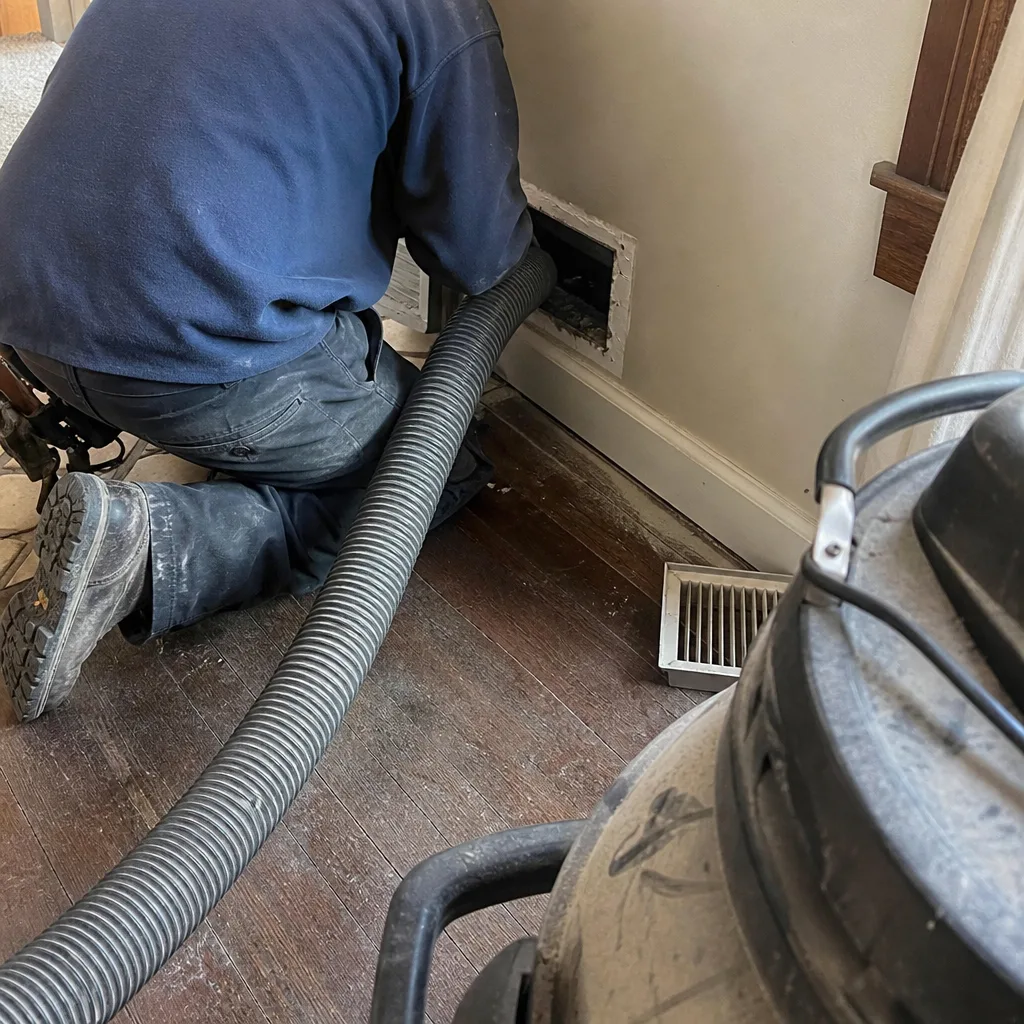 Before
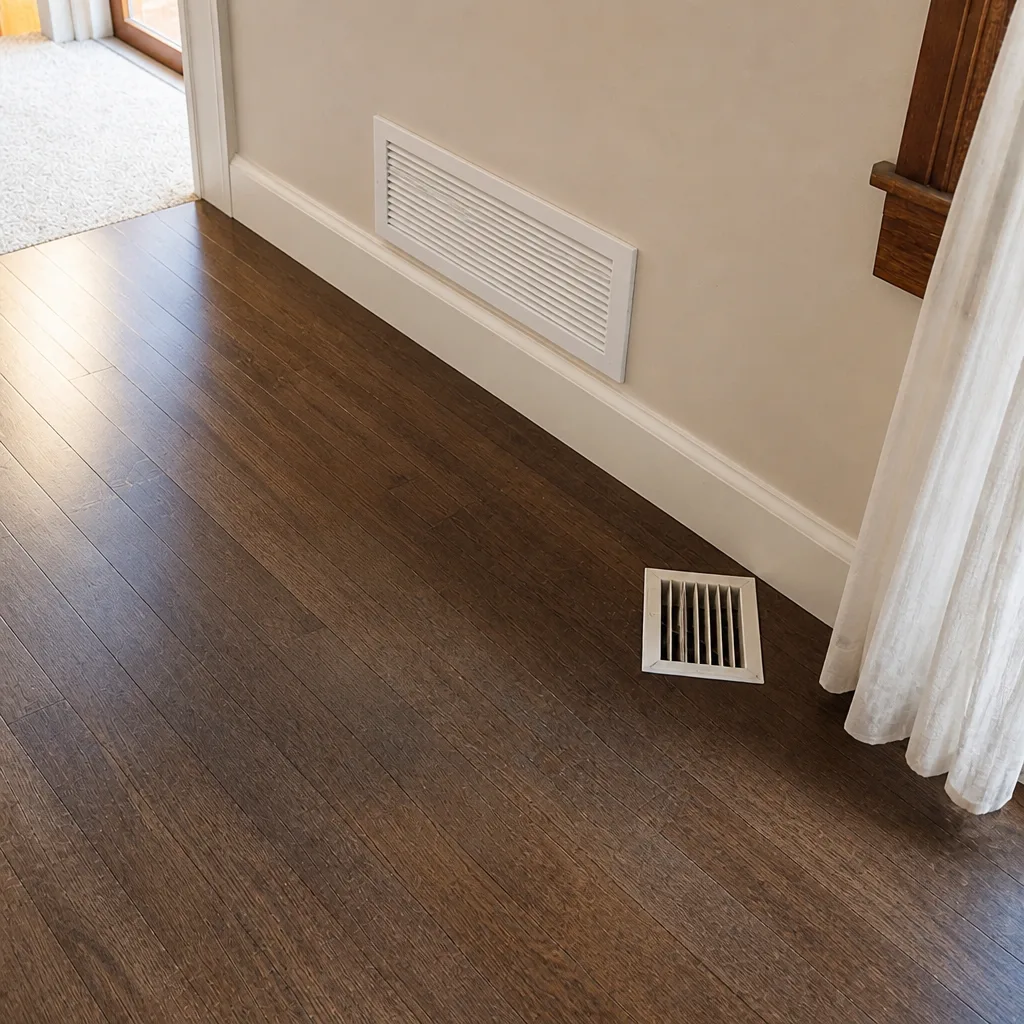 After
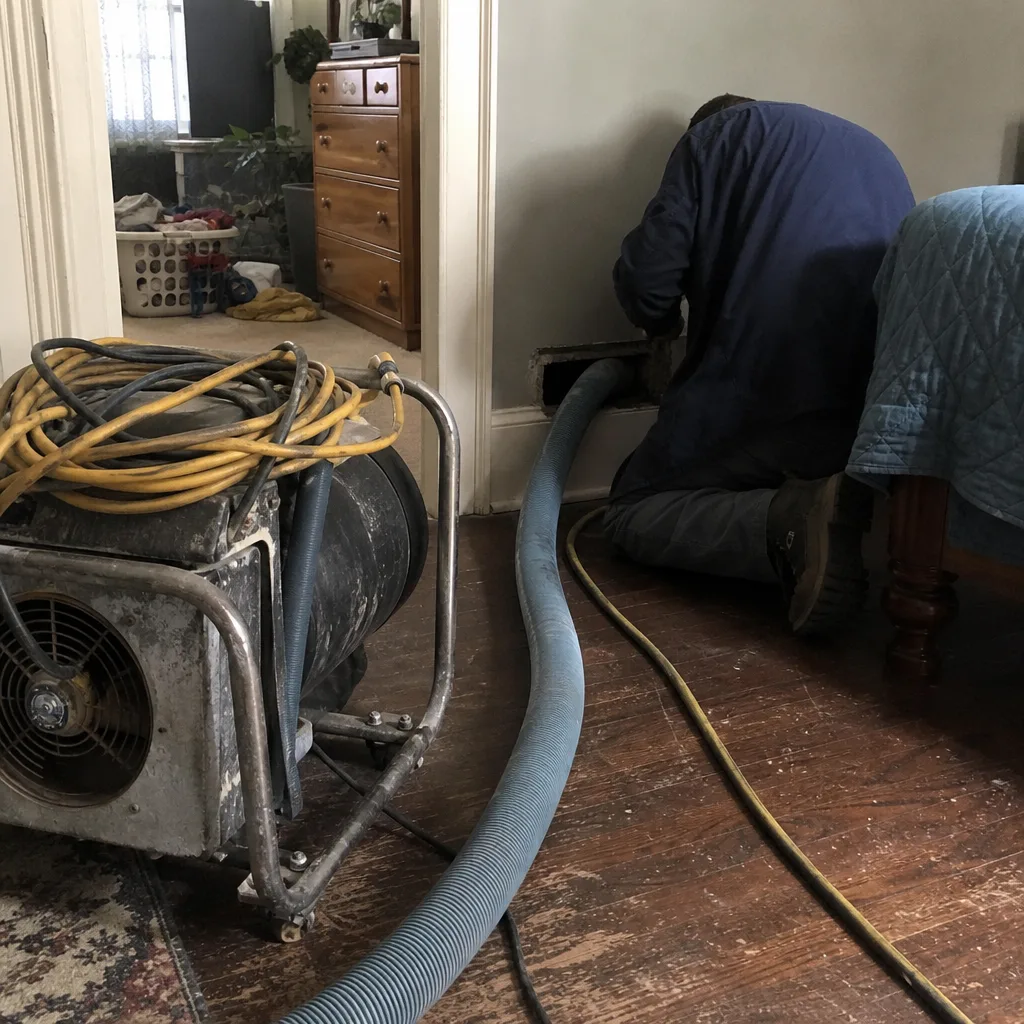 Before
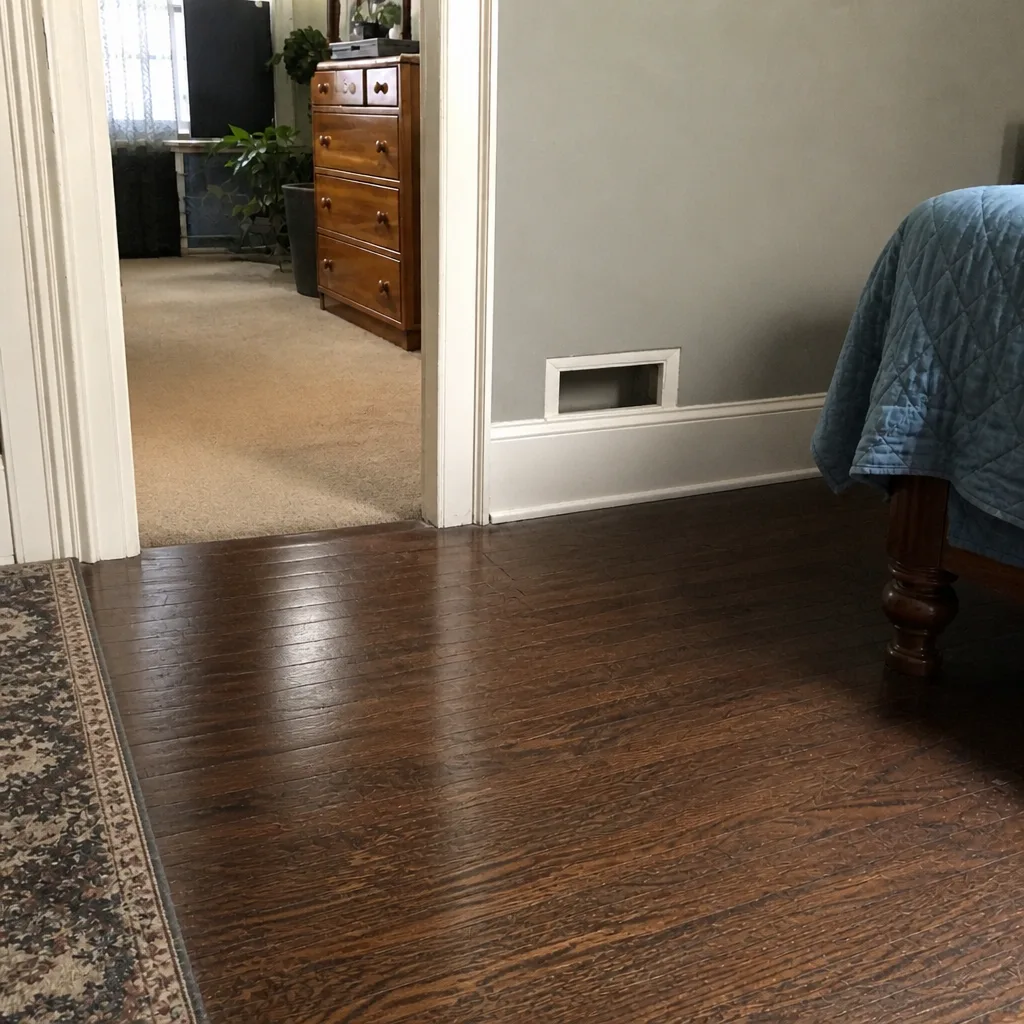 After
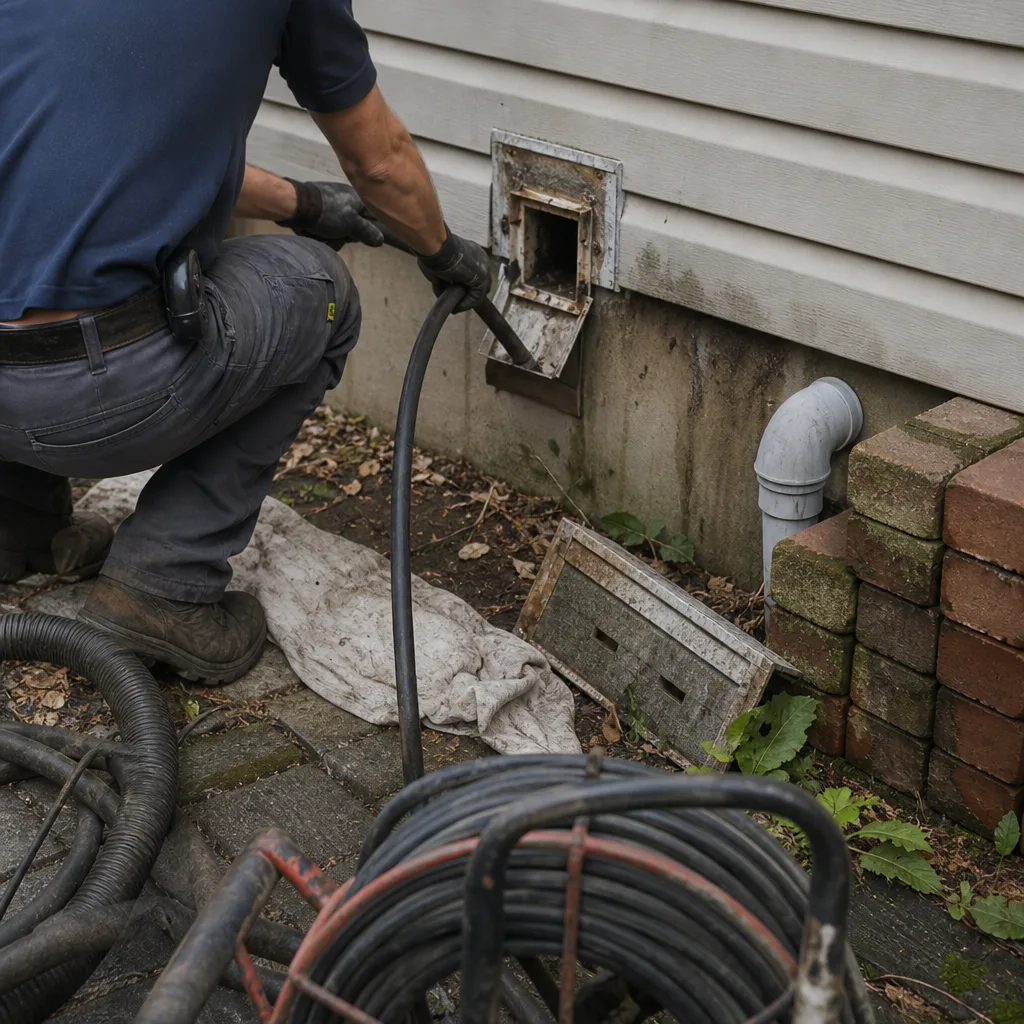 Before
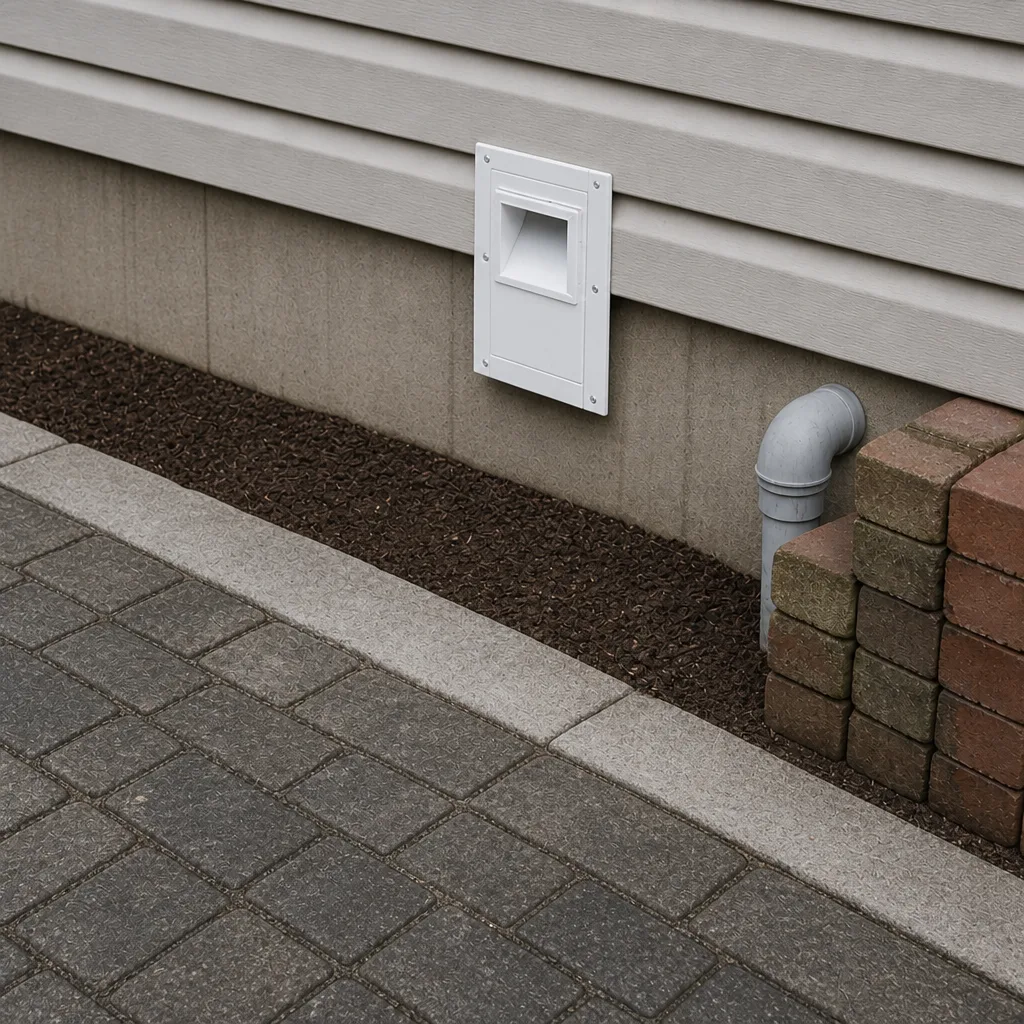 After
When to Call a Professional
Call for post-emergency duct evaluation if any of the following applies: your Mayfair home flooded and the HVAC ran during or after the event; there was a fire or smoke event of any size, even if soot is limited; there was a sewage backup in or near the basement; you’re a property manager handling a claim that will go to insurance; or you’re unsure whether the ducts were contaminated. Do not attempt post-emergency duct cleaning yourself with a shop vacuum. The containment, the source-removal at the air handler, and the documentation are what make the job safe and verifiable.
Air Duct Cleaning Mayfair offers free estimates in Mayfair – call (888) 611-5717. Our technicians have up to 8 years of experience and use Rotobrush and Nikro equipment with Abatement Technologies containment. Written estimates set the price before work starts.
Frequently Asked Questions
As soon as the water is extracted and the space is safe to work in. Contamination settles and bonds to duct surfaces within hours, and the longer the system sits idle, the more the material sets into interior seams and flexible duct liners. Waiting days or weeks doesn’t make the cleaning easier; it makes it deeper. Call (888) 611-5717 for an exact quote – estimates are free.
No. Odor fading from the air doesn’t mean the ducts are clear. Smoke residue stays on duct surfaces and re-releases every time the system runs. Leave the system off until the ductwork has been evaluated and cleaned. Any contractor who tells you to run the fan to “clear it out” is giving you the wrong advice. Call (888) 611-5717 for an exact quote – estimates are free.
Often it does, particularly when the duct contamination is tied to a covered event like fire, flood, or a broken pipe. What determines whether the claim goes through is documentation: photos taken before cleaning, a written scope, and completion records. Call (888) 611-5717 for an exact quote – estimates are free, and we’ll write the scope in a form your insurer can work with.
Because they’re not the same job. A cheap quote typically describes a register-to-register vacuum pass with no containment, no source-removal at the air handler, and no documentation. Post-emergency work requires Abatement Technologies negative-air containment, contact-based mechanical cleaning, and a written completion record. The two quotes aren’t comparable. Call (888) 611-5717 for an exact quote – estimates are free.
You should receive before-and-after photographs of your own ducts, a written completion summary describing what was cleaned and how, and a clear accounting of the scope. If the cleaning involved containment, note that it was set up on-site and maintained through the job. Any professional cleaner can provide these. Call (888) 611-5717 for an exact quote – estimates are free.
Not always. Duct cleaning handles the interior of the duct runs. But if the ducts had leaks before the event, contaminated air from the basement could re-enter through those leaks. Duct repair and sealing are part of the complete response, and we handle both in the same engagement rather than referring out. Call (888) 611-5717 for an exact quote – estimates are free.
The Bottom Line
Post-emergency duct contamination is a different problem from routine dust buildup, and the response has to match. Turn the system off. Document everything before cleaning starts. Choose a scope that includes containment, source-removal at the air handler, and repair of any leaks found. In Mayfair, basement-level HVAC systems make flood and sewage events duct events by default. Repair and sealing, plus optional filtration upgrades from Honeywell or Aprilaire after cleaning, are what make the recovery complete. Treat the duct assessment with the same urgency as the water extraction, and the recovery will hold.
Call Air Duct Cleaning Mayfair at (888) 611-5717 for a free estimate. We answer 24/7. Fast dispatch from 7am to 7pm, Sunday through Friday.
Written by the team at Air Duct Cleaning Mayfair.