
Last updated November 25, 2026
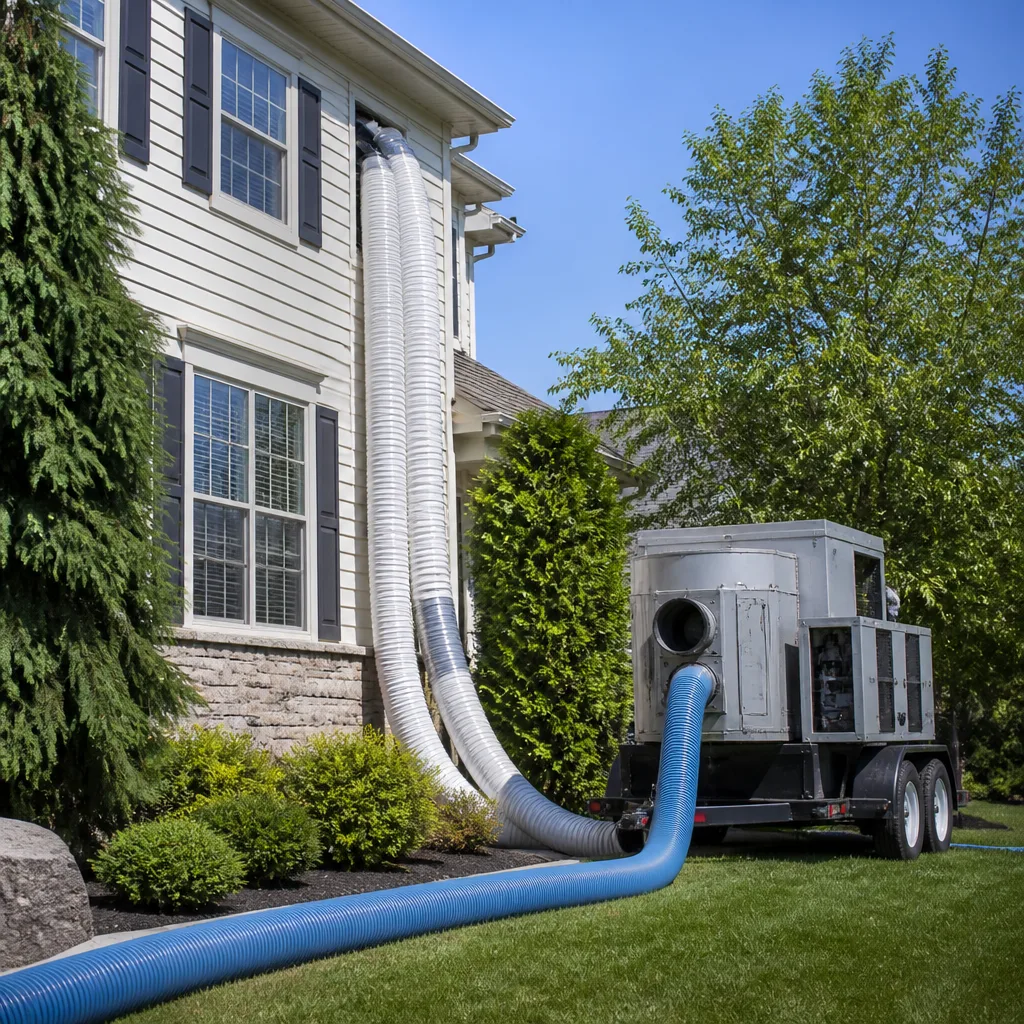 Whole-home duct cleaning
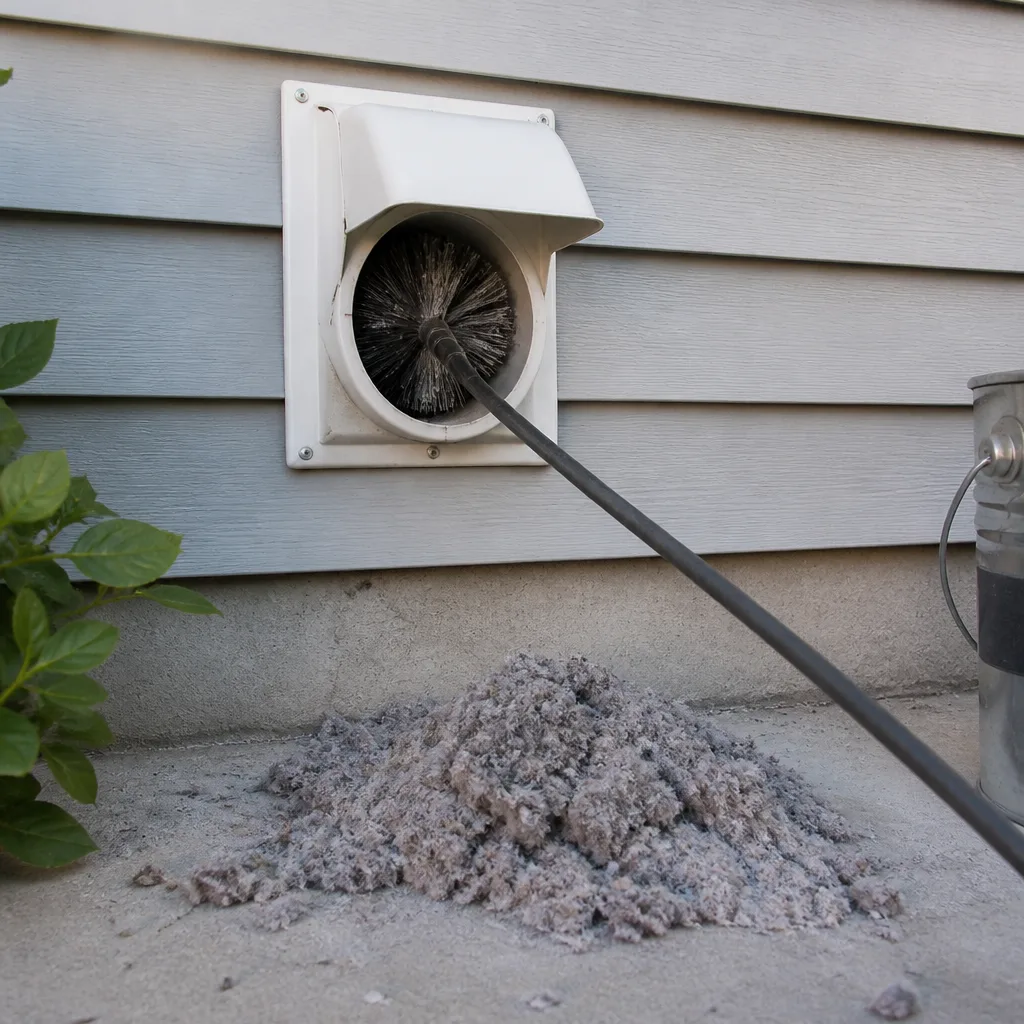 Dryer vent cleaning
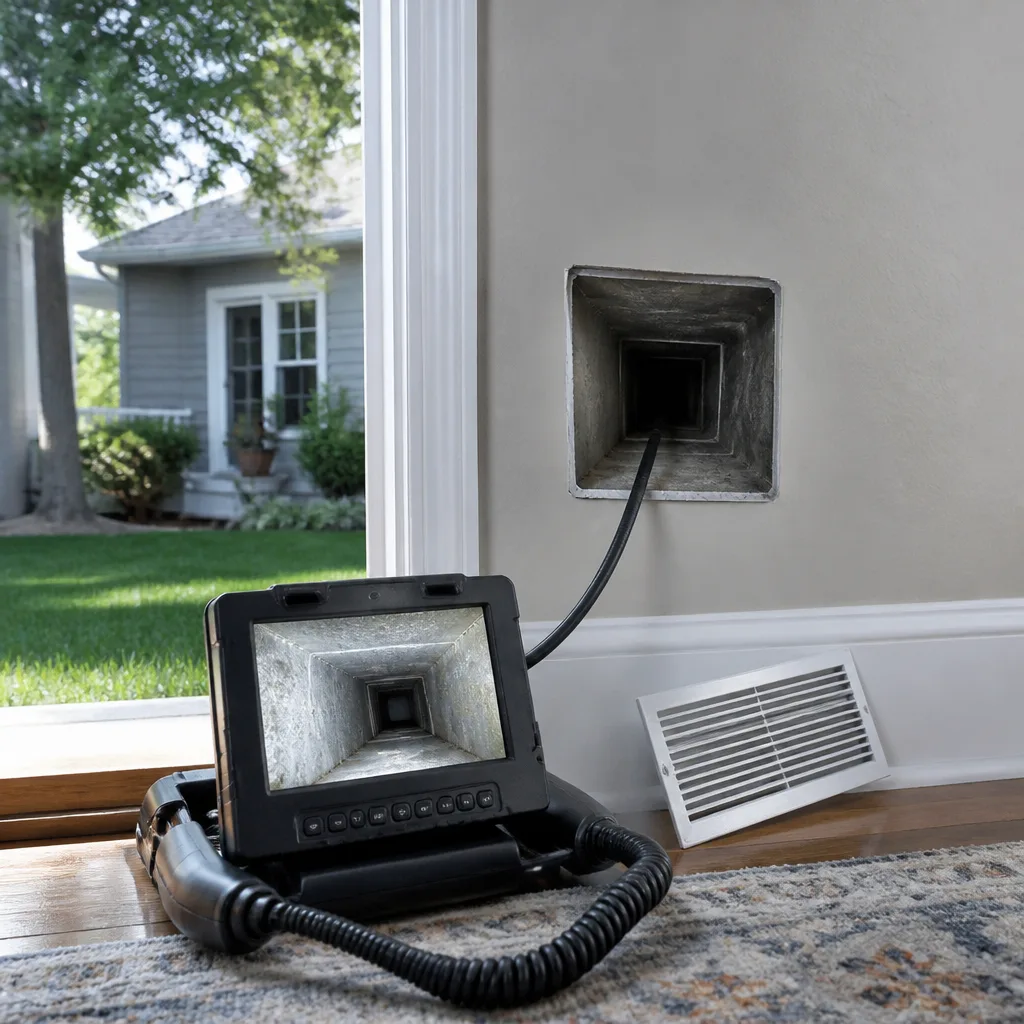 Camera inspection
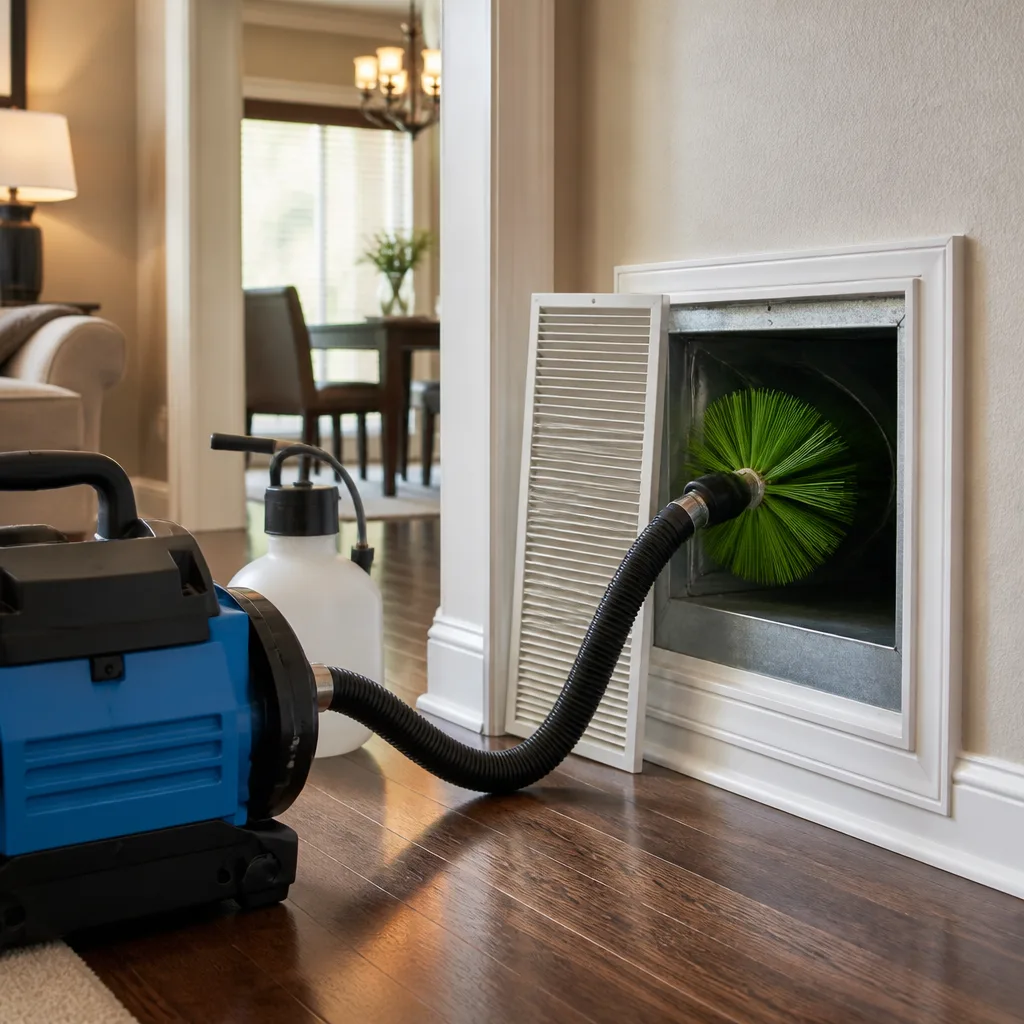 Sanitizing & deodorizing
Whole-system duct and dryer vent check with before-and-after photos - you see exactly what came out of your vents
That "$99 whole-house special" is a bait ad - the real number appears once they are in your hallway, or the "clean" is a shop-vac at the register. We photograph the inside of your ducts before and after instead.
The Complete Guide to Air Duct Cleaning in Mayfair
The dirtiest part of most duct systems isn’t the long trunk line running through the basement. It’s the return-air box directly behind your filter, a short, dark chamber that almost no budget cleaning crew ever opens. That box sits between the filter and the blower, so it collects a concentrated mat of lint, dust, and pet hair that the filter never sees. A cleaning that skips it leaves the worst of the debris in place. In this guide we map every section of a residential duct system, explain what a full-system clean actually covers, and show you how to check the work yourself. Mayfair homes have their own patterns, and we’ll get to those.
Quick Answer
Air duct cleaning in Mayfair is a source-removal process, not a vacuum pass at the registers. It requires mechanical agitation of every duct surface, HEPA containment to capture what gets dislodged, and cleaning of the air handler, coil compartment, and return-air box where debris concentrates. A complete job covers the supply plenum, trunk lines, branch runs, boot registers, and the blower compartment, and it’s typically finished with duct sealing and an air-quality upgrade if filtration or humidity control is part of the goal.
Styles & brands we work with
- Whole-home duct cleaning
- Dryer vent cleaning
- Camera inspection
- Sanitizing & deodorizing
Table of Contents
- What every section of a Mayfair duct system does, and where debris collects
- What mechanical agitation actually means, and why a shop-vac alone won’t do it
- Why Mayfair’s older housing stock creates specific contamination patterns
- The equipment that separates a real clean from a surface pass
- Duct sealing as part of the job, not an upsell
- How to verify the cleaning was actually done
- Dryer vent cleaning and the rest of your home’s ventilation
- What duct cleaning costs in Mayfair, and how pricing should be structured
What every section of a Mayfair duct system does, and where debris collects
A residential duct system has more parts than most homeowners realize, and each one accumulates a different kind of debris. The main trunk line gets the attention because it’s big and easy to reach. The sections that actually drive air quality sit before and after it.
Here’s how the system breaks down, in the order air travels through it:
- Return-air grilles and the return box behind the filter. Air enters here first, carrying whatever the filter misses. This box is the single most contaminated spot in most homes because it sits upstream of filtration and collects everything the blower pulls in.
- The filter slot and blower compartment. When filters are loose-fitting or the wrong size, dust bypasses them and coats the blower wheel. A dirty blower wheel throws less air and runs hotter.
- The evaporator coil compartment. A damp coil in a tight space is a foothold for biological growth, especially in humid months. The coil itself should never be scrubbed; the compartment around it is cleaned carefully.
- The supply plenum. Treated air leaves the air handler here at higher velocity. Turbulence drops heavier particles along the plenum walls, which is why this section often looks worse than the trunk beyond it.
- Main trunk lines and branch runs. These carry air across the house. Debris here is a mix of settled dust, construction residue, and fibers pulled from the boots at each register.
- Boot registers and supply diffusers. The short sleeve leading to each register is where the conditioned air accelerates and picks up everything sitting on the boot floor. A sweep that only vacuums the face of the grille leaves this loaded.
Every one of those points is checked and cleaned in a full-system visit. When a crew sweeps a wand through the trunk and calls it done, they’ve addressed item five and skipped the rest. On a Mayfair property with an older, irregular layout, that’s most of the job.
What mechanical agitation actually means, and why a shop-vac alone won’t do it
Duct debris doesn’t sit loose on a surface. It clings through static, moisture, and the tackiness that years of cooking and candle residue leave behind. Vacuum alone pulls the top layer and leaves the bonded material behind. That’s the whole argument behind mechanical contact cleaning, and it’s the standard serious contractors work to.
Mechanical agitation means the cleaning head physically contacts the duct walls. A rotary brush or air whip spins against the surface, breaks the bond, and simultaneously extracts the loosened material through the same tool. That combination is what distinguishes a contact clean from a blow-and-vacuum job:
- Contact cleaning reaches the duct wall, breaks the bond mechanically, and extracts through negative pressure at the same time. The result is a duct surface visibly clean of the bonded film.
- Blow-and-vacuum propels air down a run and vacuums at the far end. It loosens light dust but can stir heavier material and recirculate it into living space if the return side isn’t sealed off.
- Register-only service cleans the grille cover and a short reach inside the boot. It never goes deeper than an arm’s length. If a quote doesn’t mention what happens beyond the register, that’s what you’re buying.
Our technicians use Rotobrush contact-cleaning systems, the same class of rotary equipment specified for this kind of source-removal work, and they follow every clean with a visual check of the duct wall. We’ll come back to that inspection later in the guide; it’s the part that tells you whether the agitation worked.
Why Mayfair’s older housing stock creates specific contamination patterns
A house built before 1980 was designed and framed differently than a new one, and its ducts carry a different load. In Mayfair, most homes sit in that pre-1980 band, which changes how a duct system behaves and what a cleaning has to address.
Three patterns come up again and again on these properties:
Mixed duct materials. Many pre-1980 systems use a combination of sheet metal trunk lines and flexible branch runs with an internal liner. Sheet metal cleans beautifully under a rotary brush. Flex duct needs a gentler approach and, if the liner is torn or collapsing, sometimes replacement rather than cleaning. A technician who doesn’t check the liner before sending a brush down a flex run can do real damage. We inspect every run first.
Undersized returns. Older homes were often framed with one undersized return for the whole system, or with the return routed through joist bays. That limits airflow, drives the blower harder, and concentrates the fine particulate in the return box. It also makes the return box cleaning the single highest-impact step on the job.
Renovation residue. Kitchens and baths in pre-1980 homes have often been updated, and drywall dust, sawdust, and fiberglass fibers from those projects settle into the system and stay there. A duct system that’s been through a remodel months or years ago usually needs deeper cleaning than one that hasn’t.
These are reasons a cookie-cutter coupon crew will miss things in Mayfair. The job here isn’t a fast pass; it’s a system-specific assessment followed by targeted cleaning. If you want the full picture of what our air duct cleaning visit covers, the service page lays out the steps.
The equipment that separates a real clean from a surface pass
You can judge a duct cleaning by the tools on the job. Three categories are standard for serious work, and none of them show up in a cut-rate quote.
Rotary contact-cleaning systems (Rotobrush). A spinning brush head on a flexible shaft that runs down each duct, agitating the wall while a vacuum extracts. It’s the tool that makes “source removal” more than a phrase. If a crew shows up with a truck-mounted vacuum and a hose wand only, the contact agitation step is missing.
Professional HVAC cleaning rigs (Nikro). Air handler and coil compartment cleaning takes equipment designed for the job. Nikro systems are built for source-removal work inside the mechanical closet, where a homeowner’s shop-vac would never fit, let alone reach.
Negative-air and HEPA containment (Abatement Technologies). This is the part most homeowners don’t think about until they see it in action. When you agitate a duct surface, all that loosened debris has to go somewhere. A HEPA containment unit pulls the work area under negative pressure so dislodged particulates are captured, not pushed into the living space. This is the same class of gear used in remediation work, and it’s why our jobs don’t leave a dust cloud in the hallway.
After cleaning, the question becomes filtration and moisture. We stock and install Honeywell and Aprilaire air-quality products, so if your system needs better filtration or humidity control, we finish with a solution rather than an empty duct and a recommendation to buy something elsewhere. The HVAC cleaning service covers the air handler and coil side in more depth if you want the mechanical detail.
Duct sealing as part of the job, not an upsell
Here’s the thing nobody tells you at the end of a cheap cleaning: if your ducts leak, cleaned ducts don’t stay clean for long and they don’t deliver the airflow you paid for. Sealing isn’t a revenue add-on; it’s the step that makes the clean actually count.
Leaks show up in the places you’d expect once you know what to look for:
- Loose or disconnected joints along a run, common in older Mayfair homes where a joint has worked free over decades of seasonal movement
- Cracked seams at the plenum, where the sheet metal flexes with heat cycles
- Taped or mastic joints that have dried out and failed
- Boot-to-register gaps that bleed conditioned air right back into a wall cavity
We diagnose leaks as part of the same visit that does the cleaning, and we repair them in that engagement. Competitors who only clean will usually hand you a referral to another contractor for the sealing work, and that contractor won’t know your system. Keeping the whole scope under one call solves that coordination problem and ensures the person sealing the duct has seen the inside of it.
Sealing also addresses a perception issue. When air leaks out of a supply run before it reaches the register, the room feels cold, you turn the thermostat up, and the system works harder for a result that a sealed run would have delivered with less effort. Cleaning opens the air path. Sealing keeps it that way.
How to verify the cleaning was actually done
You can check a duct cleaning yourself. Ask for the inspection before and after, and confirm it a second time once the crew has packed up. Here’s what to look at:
- The return box behind the filter. This is the first place to inspect. Before the clean, it’s usually dark and matted. After, the box surfaces should be visibly free of debris and the filter slot itself should be clean. If this spot looks untouched, nothing else was cleaned.
- Before-and-after photos of your own ducts. A credible crew photographs the interior of a run before and after, using a duct camera or a phone with the register removed. Ask to see them on your system, not stock photos.
- The boot registers. Pull a register cover off after the job and look inside the boot. The sleeve and the floor of the boot should be clean. If the boot is still coated, the register was swept, not the run.
- The blower wheel. Before the crew closes up the air handler, ask to see the blower. A clean blower wheel has visible, distinct blades. A fouled one is a soft gray mass. Photograph it yourself if you can.
- Airflow from each supply. You should feel meaningful airflow at every register within a day; if a run was restricted, cleaning should have improved it. Feel the air at each supply and compare before and after.
- The trunk lines. Not every run is easy to see, but a run with an accessible register should be checked. Use a light and mirror, or ask the crew to film it.
Any professional crew should expect to answer these questions and be happy to. If a crew refuses to photograph, or waves off a request to open the air handler, that’s the answer to your question. On every job we take, the before-and-after photos of your own system come with the report.
Dryer vent cleaning and the rest of your home’s ventilation
Ductwork and dryer venting are the same conversation in a home that’s been in the family for a while. Both are in the walls, both get ignored, and both rely on airflow that a stuffed or leaking run will quietly kill.
A dryer vent is a shorter run, but the risk is different. Lint is a fuel, and a vent with a bird’s nest, a collapsed flex run, or a kink behind the dryer slows exhaust and shortens the appliance’s life. That makes dryer vent cleaning a genuinely fire-safety service, not a convenience one. We clean the vent as a standalone service and check the termination on the outside wall to confirm it’s clear and flapping freely.
HVAC ductwork, HRV/ERV (heat recovery) systems where fitted, and bath and range exhausts all share the same logic: unrestricted flow. A cleaning that improves the supply side but leaves the return or the venting compromised is a half-job. That’s why the full scope matters. If you want to know what a complete service visit looks like across the system, see the main Air Duct Cleaning Mayfair page.
What duct cleaning costs in Mayfair, and how pricing should be structured
Duct cleaning pricing in Mayfair varies by system size, accessibility, and whether sealing is included, but the structure should be one flat price per system agreed before the work starts. That’s the honest way to price a variable job, and it’s the answer to the bait-and-switch reputation this trade has earned.
What drives the number on a given job:
- Number of supply and return runs. A one-bedroom unit and a four-bedroom house are not the same job. A per-vent price is a red flag when it’s a teaser; a whole-system range is what to ask for.
- Access. Ducts in finished ceilings or basements with limited clearance take longer. Some Mayfair properties have tight mechanical closets that make the air handler access step more involved.
- Condition. Post-renovation drywall dust, a neglected return box, or a torn flex liner all change the scope. If the crew doesn’t assess first, they’re guessing.
- Sealing and air-quality finishing. If you’re adding duct sealing or filtration after the clean, that’s a separate line in the estimate, priced up front and confirmed in writing.
We won’t quote a per-vent number over the phone and call it an estimate; a written estimate after assessing the system is the only honest price. That estimate sets the final number, so there’s no surprise once the crew is on site. The same applies to any furnace or condenser work in the same visit. If the techs find something the estimate didn’t include, they explain it and you decide before anything changes.
Common Mistakes to Avoid
- Judging the job by the register sweep. A quick vacuum at the grille can look tidy without touching the run behind it. The visible face of the register tells you nothing about the duct behind it.
- Accepting a per-vent teaser price. A very low per-vent figure is designed to become a larger invoice once the technician is on site. Ask for a whole-system range in writing.
- Skipping the return-air box inspection. This is where most of the contamination lives. If a quote doesn’t mention it, ask about it before booking.
- Assuming a new-looking house has clean ducts. Pre-1980 homes in Mayfair have specific patterns, but newer builds also hold construction debris and drywall dust. Age alone doesn’t decide.
- Treating sealing as optional. Cleaning without sealing leaves leaks that refill the ducts and waste the clean. Build sealing into the scope from the estimate.
- Ignoring the dryer vent. It’s a separate run from the HVAC, and a restricted one is a fire risk, not just a dryer that takes two cycles.
- Not asking for before-and-after photos. A crew that won’t photograph its own work on your system is telling you something. Ask, and expect a real answer.
See the difference
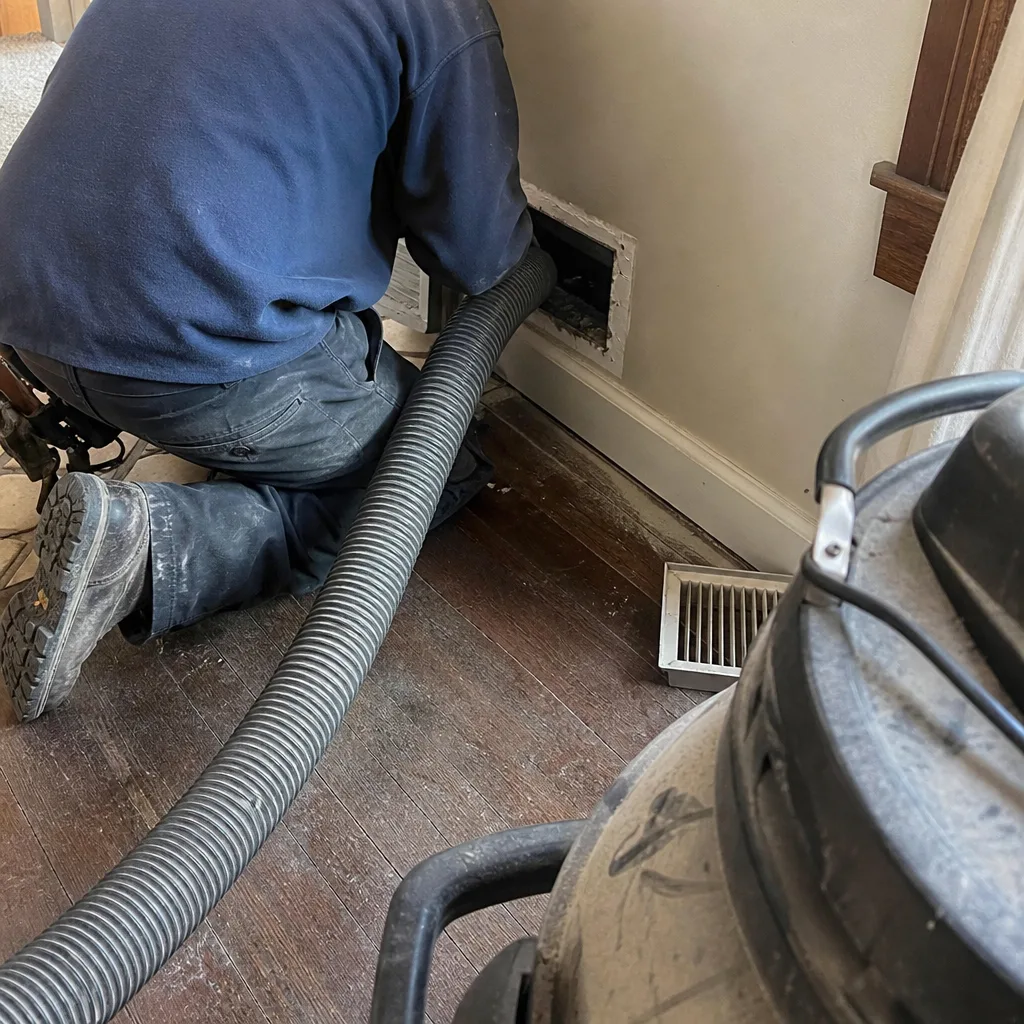 Before
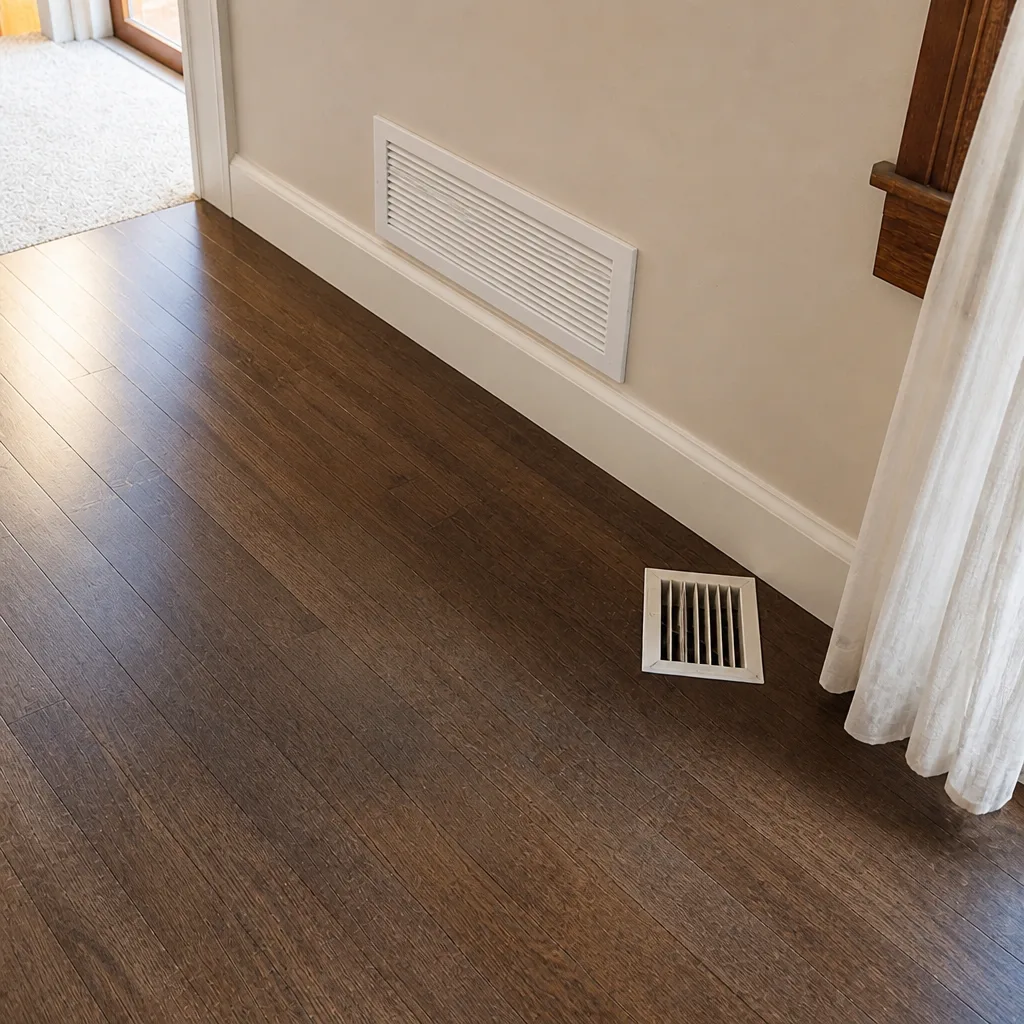 After
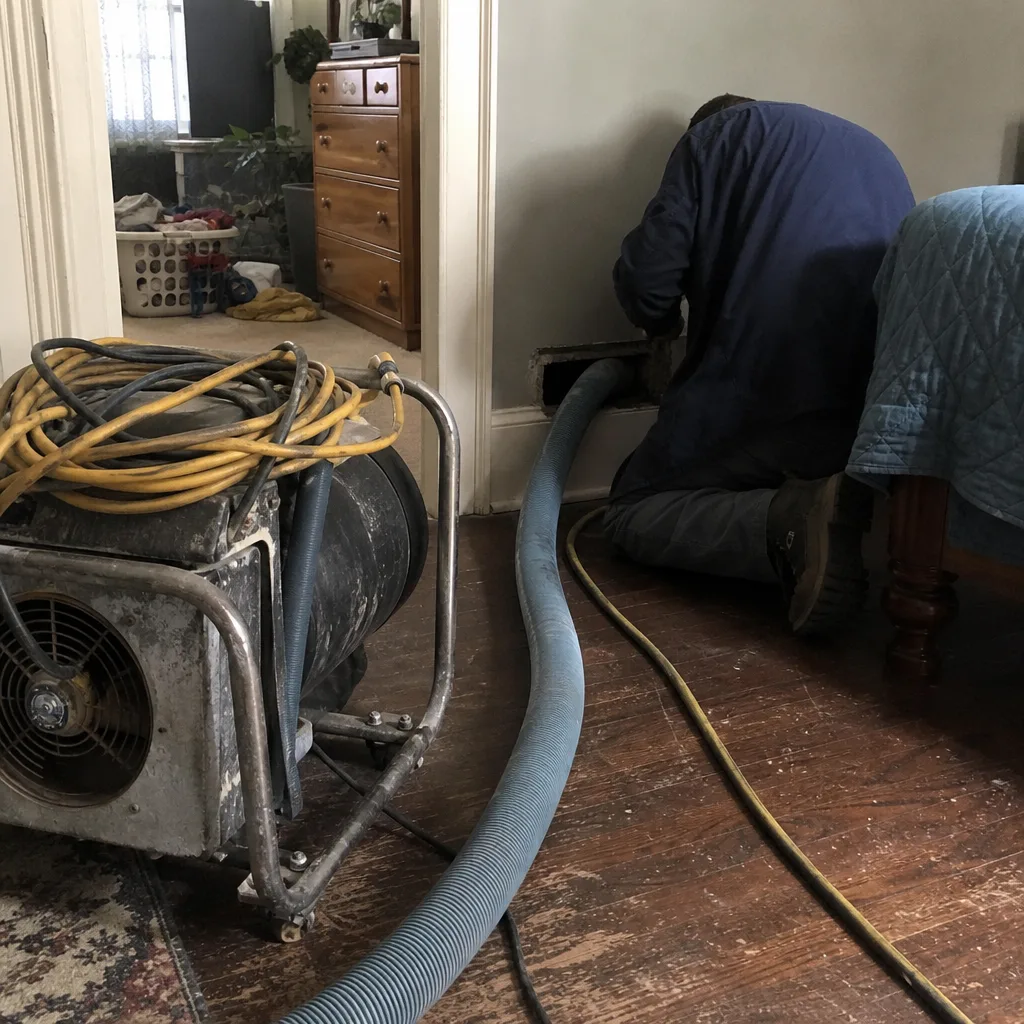 Before
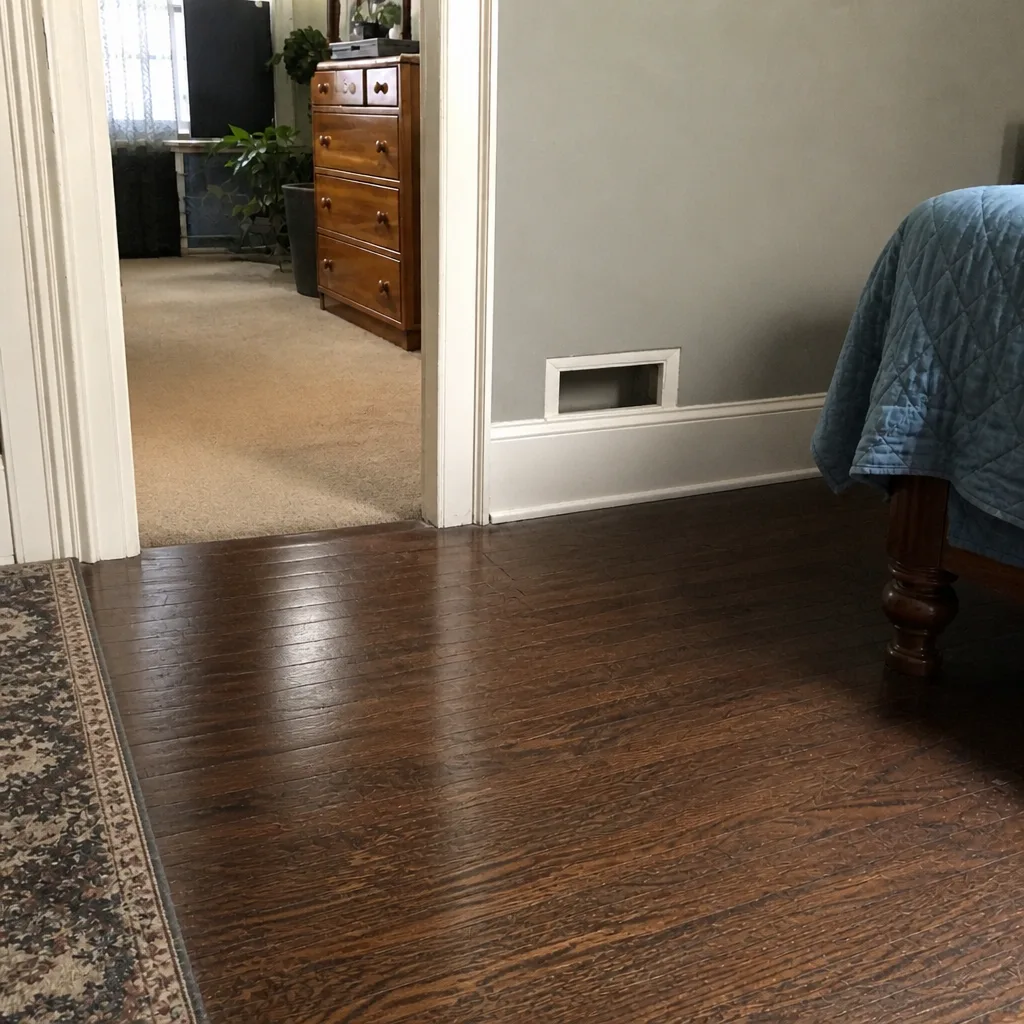 After
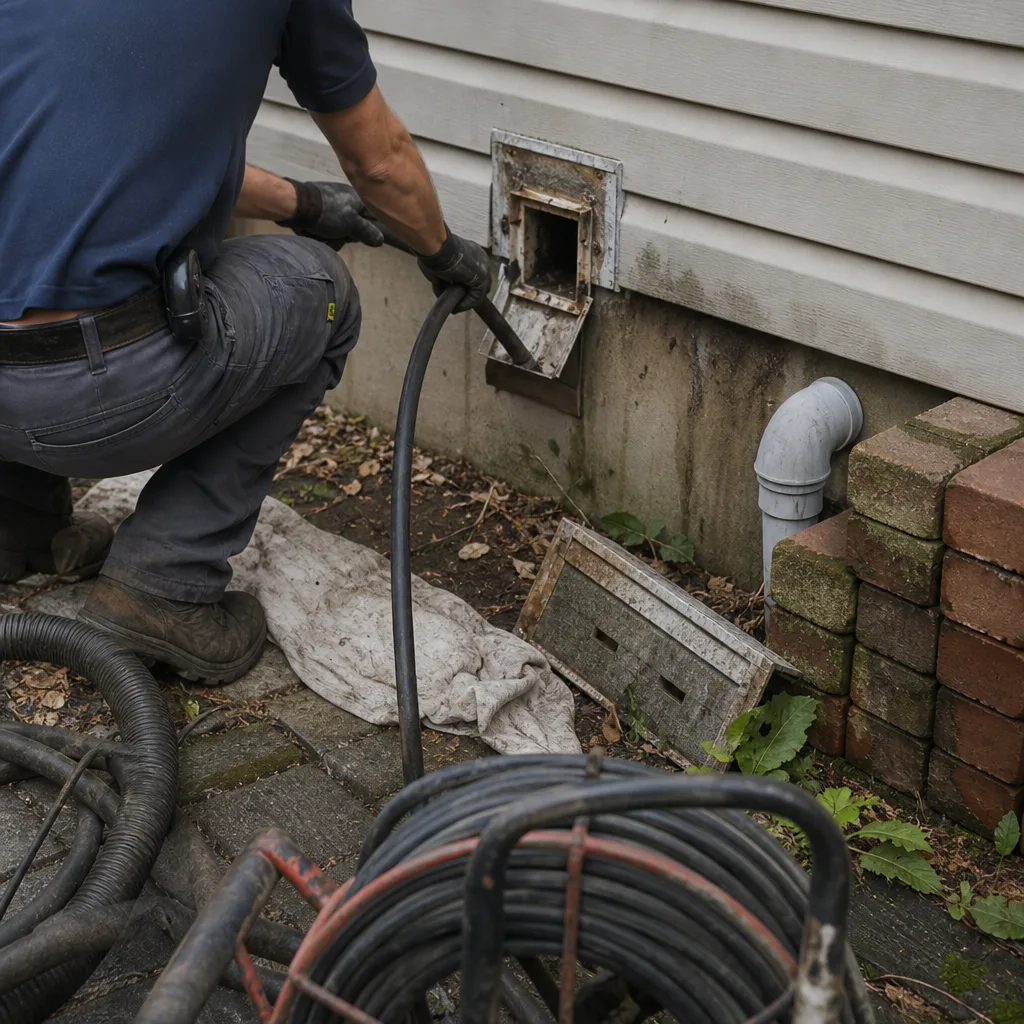 Before
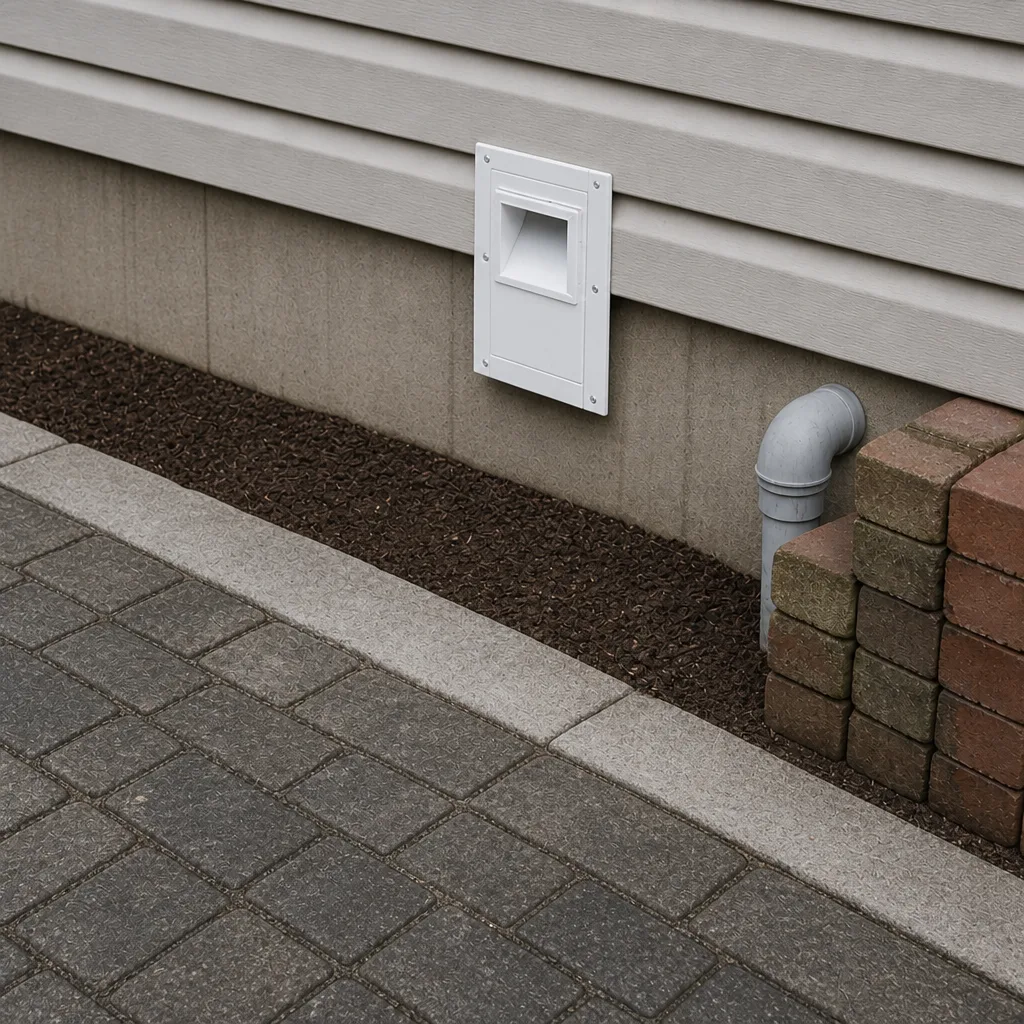 After
When to Call a Professional
This work moves through a technical chain, from the return box to the blower to the coil to the boots, and it takes equipment a shop-vac can’t replace. The situations that call for a professional visit are specific: you’ve noticed consistent allergy symptoms since moving into a Mayfair home, airflow is weak at some registers and strong at others, the energy bill has risen without a change in usage, there’s visible dust on the furniture shortly after the system cycles, a renovation has just finished, or you simply can’t remember the last time the ducts were cleaned. High-tension springs and gas lines aren’t in the duct system, so the risk is contamination rather than injury. The real reason to call is to get a full-system clean verified by evidence, not a quick pass. Air Duct Cleaning Mayfair offers free estimates in Mayfair, and you can reach the team at (888) 611-5717. We answer 24/7. Fast dispatch from 7am to 7pm, Sunday through Friday.
Frequently Asked Questions
Pricing for duct cleaning in Mayfair depends on the number of runs, the condition of the system, and whether sealing or air-quality finishing is part of the job, but the price should be one flat figure per system, set in a written estimate after the technician assesses the property. We don’t quote a per-vent teaser, and the written estimate sets the final number. Call (888) 611-5717 for a free estimate.
Cheap quotes usually skip steps: no return-air box cleaning, no contact agitation, no HEPA containment, and no blower or coil inspection. They cover the register and the trunk, and that’s it. The price looks low because the job is short. Call (888) 611-5717 to see what the full-system estimate includes.
Ask for before-and-after photos of your own ducts and an inspection of the return box behind the filter, the boot registers, and the blower wheel. On a real clean, those surfaces are visibly changed. If a crew won’t show you photos or open the air handler, that tells you what wasn’t done. Call (888) 611-5717 and ask the team to walk you through the inspection points.
Most homes don’t need duct cleaning on a fixed schedule; it depends on the system, filtration, and what has happened in the house. A well-maintained system with proper filtration can go many years between cleanings, while a post-renovation home or a house with pets and allergy concerns may need it sooner. The honest answer is to inspect, not to calendar. Call (888) 611-5717 to schedule a free estimate and a look at your system.
A serious crew brings rotary contact-cleaning systems, professional HVAC cleaning equipment for the air handler and coil, and HEPA containment to keep dislodged debris out of living space. We use Rotobrush and Nikro systems along with Abatement Technologies containment gear, and Guardsman-grade surface protection as part of the finishing process. If a crew shows up with a shop-vac and a wand only, that’s the whole conversation.
Yes. Duct repair and sealing are native services for us, so we diagnose leaks and fix them in the same engagement as the cleaning. Competitors who only clean usually refer the sealing work out. If you call for cleaning and the assessment turns up a leaky joint or a disconnected run, we handle it. Call (888) 611-5717 to set up the visit.
Often, yes. Pre-1980 housing stock frequently mixes sheet metal trunks with liner flex branch runs, uses undersized returns, and carries renovation residue from past remodels. That means the crew has to inspect each run before brushing it and pay extra attention to the return box. It’s why a system-specific assessment comes before any cleaning on a Mayfair property.
A dryer vent is a separate run from your HVAC system, and a restricted one is a fire risk as well as a dryer performance problem. We clean the dryer vent as a discrete service and check the termination on the outside wall. If the vent has a collapsed flex section or a nest blocking it, cleaning addresses the safety side.
The Bottom Line
A thorough duct cleaning in Mayfair covers the return-air box behind your filter, the blower compartment, the evaporator coil compartment, the supply plenum, the trunk and branches, and the boots leading to every register. Clean ducts are only the start, and the step most crews skip is the one that matters most. You can verify the work with before-and-after photos of your own system, an inspection of the blower wheel and return box, and a clear look at each boot. Sealing is part of the job, not an add-on. If you want a full-system clean with Rotobrush and Nikro equipment and HEPA containment, Air Duct Cleaning Mayfair offers free estimates. Call (888) 611-5717. We answer 24/7. Fast dispatch from 7am to 7pm, Sunday through Friday.
Written by the team at Air Duct Cleaning Mayfair.