
Last updated November 25, 2026
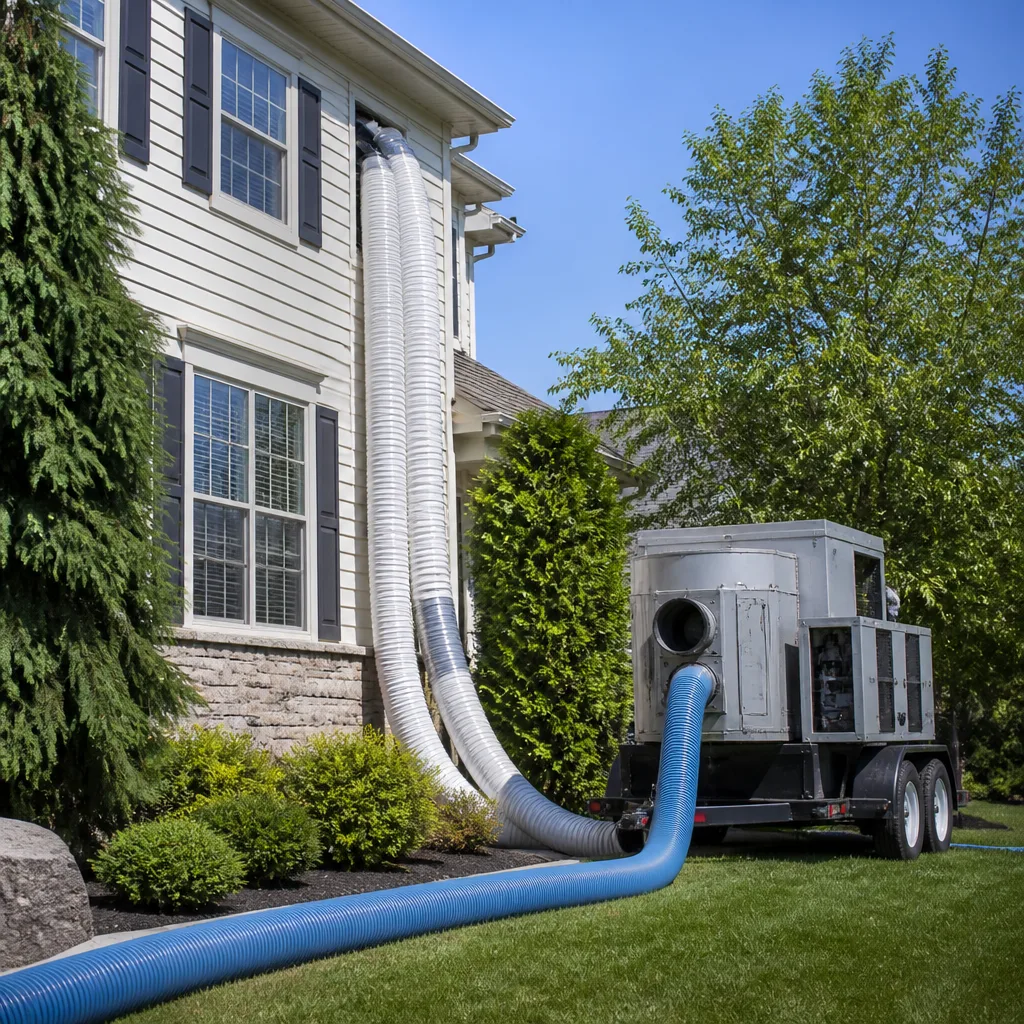 Whole-home duct cleaning
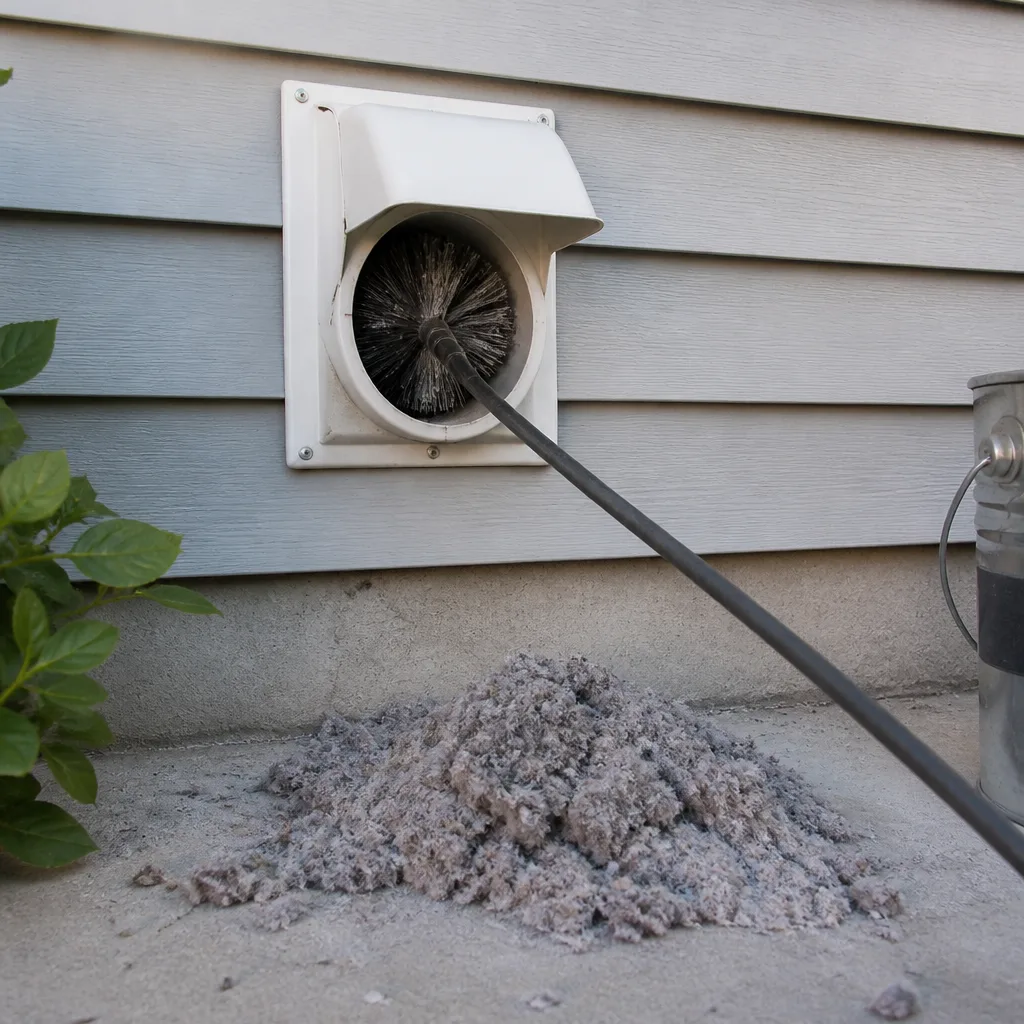 Dryer vent cleaning
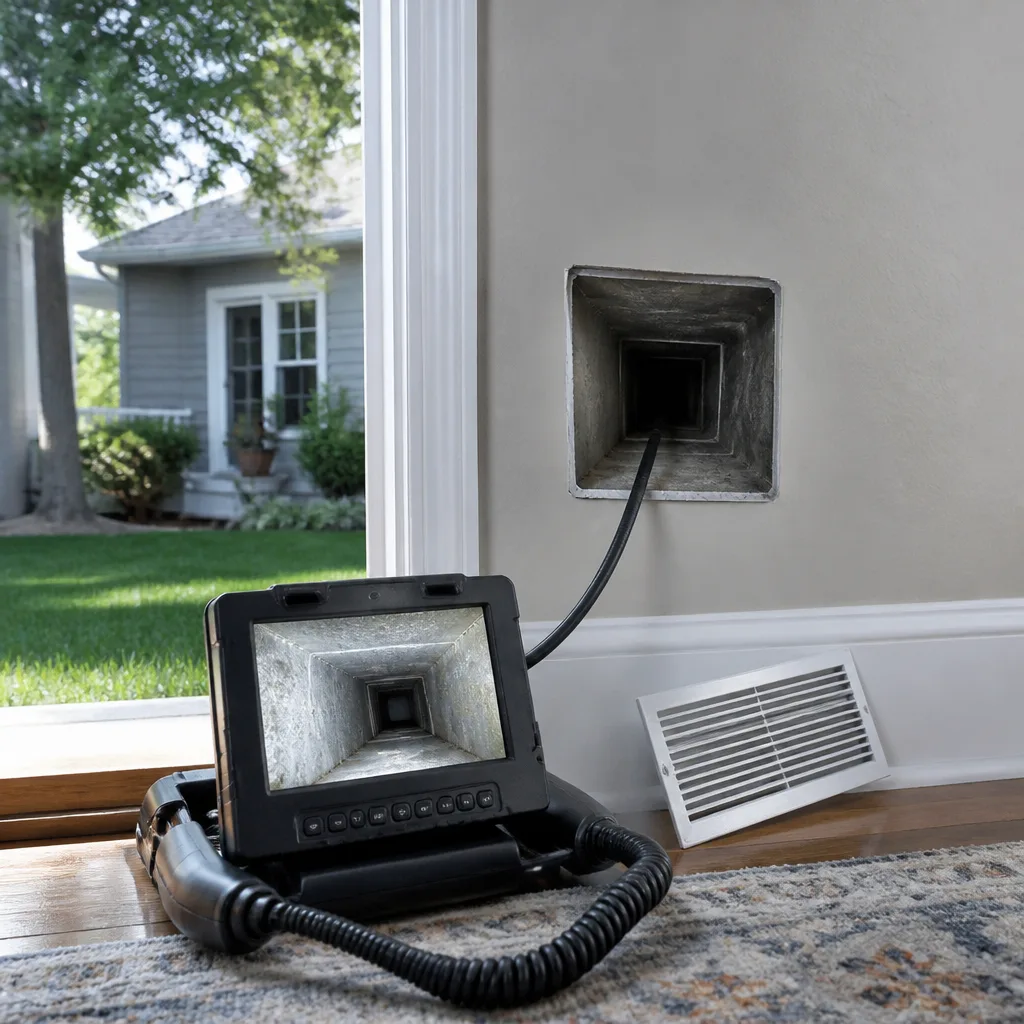 Camera inspection
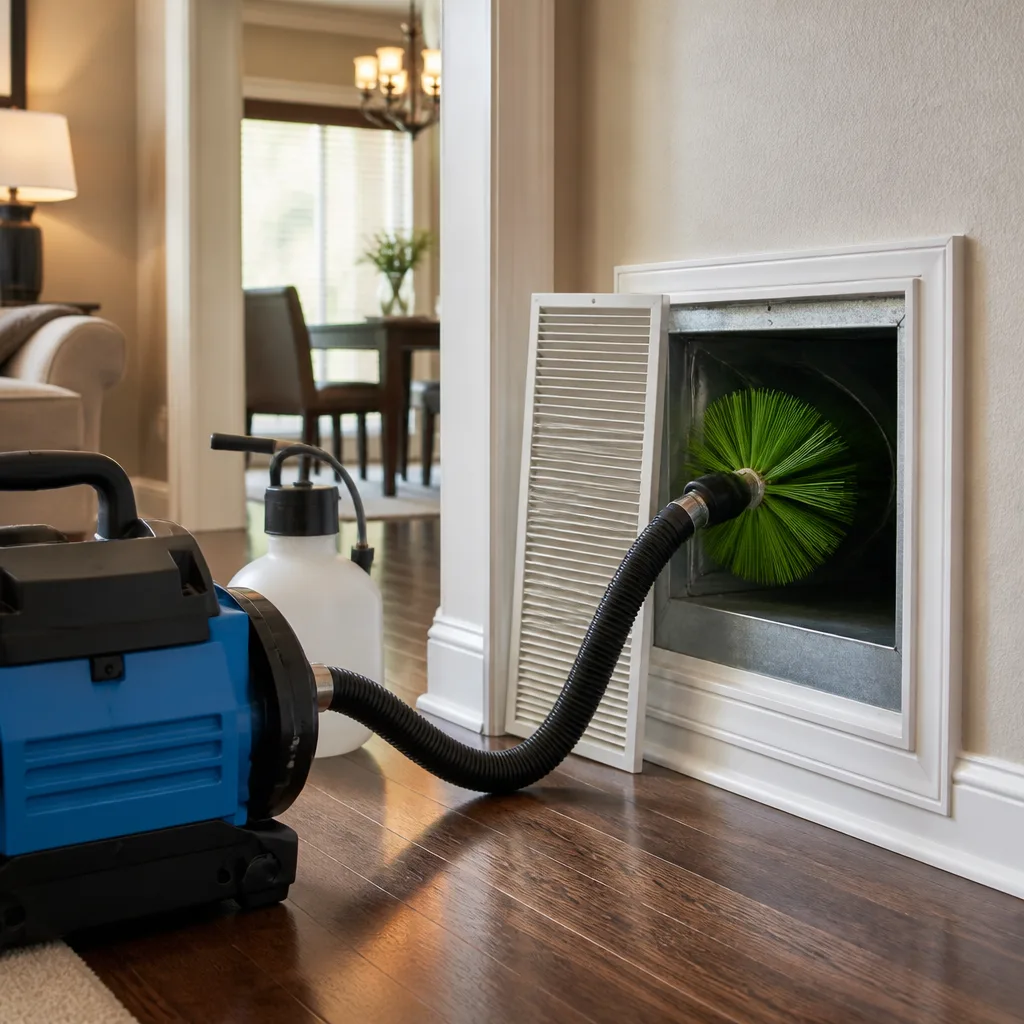 Sanitizing & deodorizing
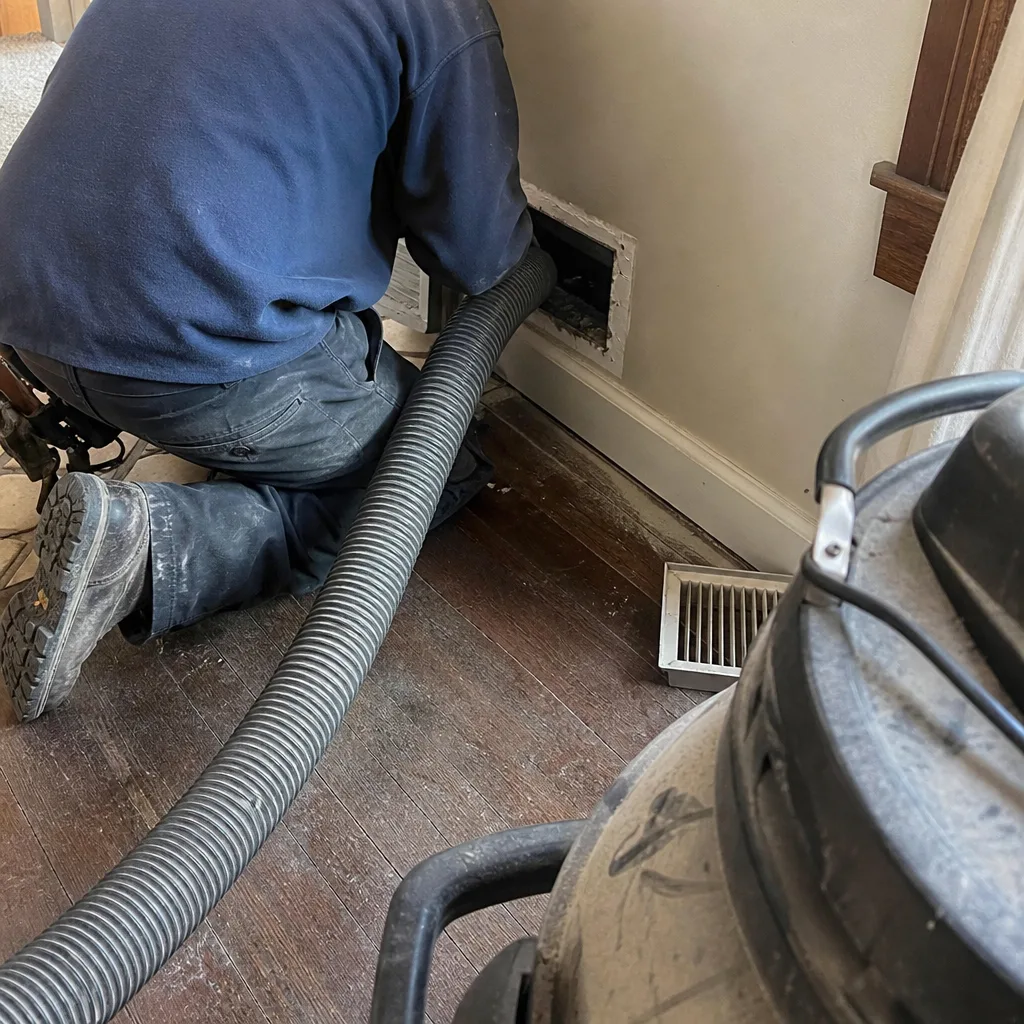
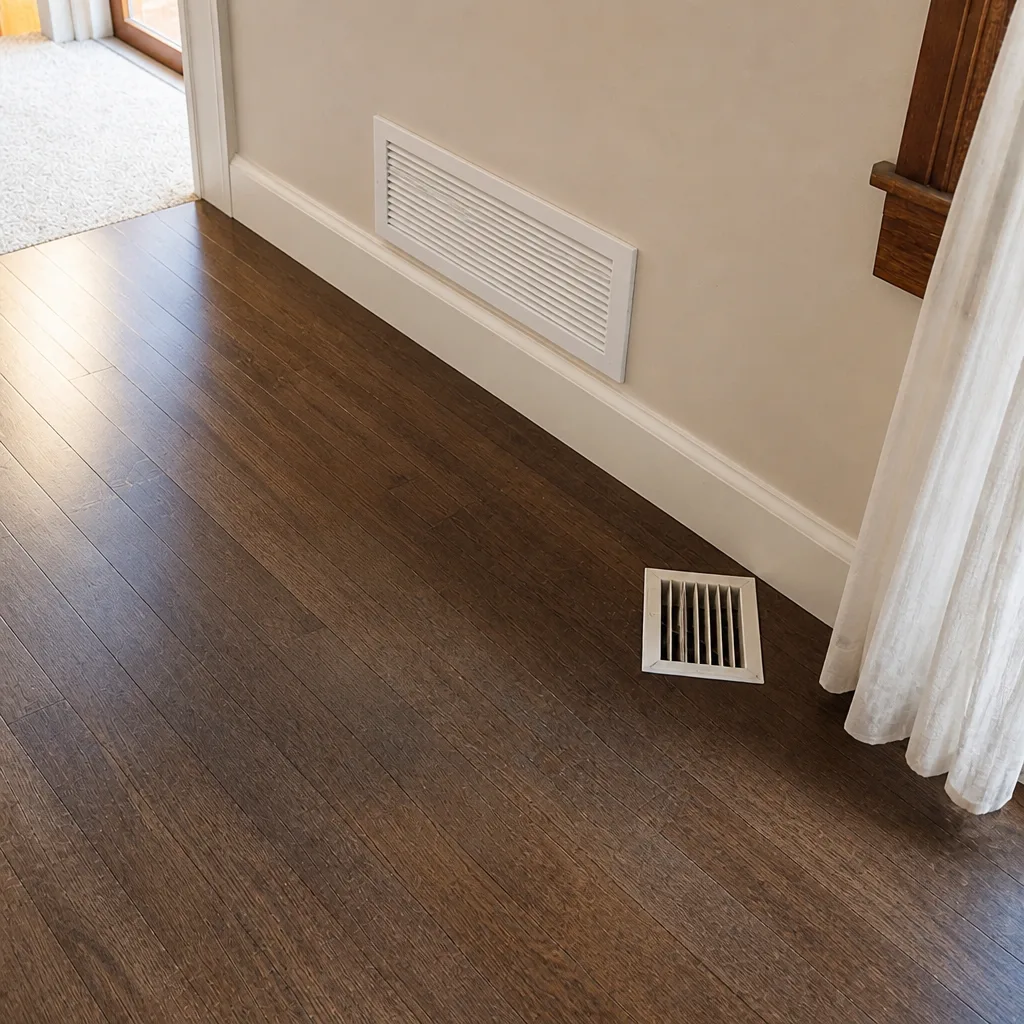
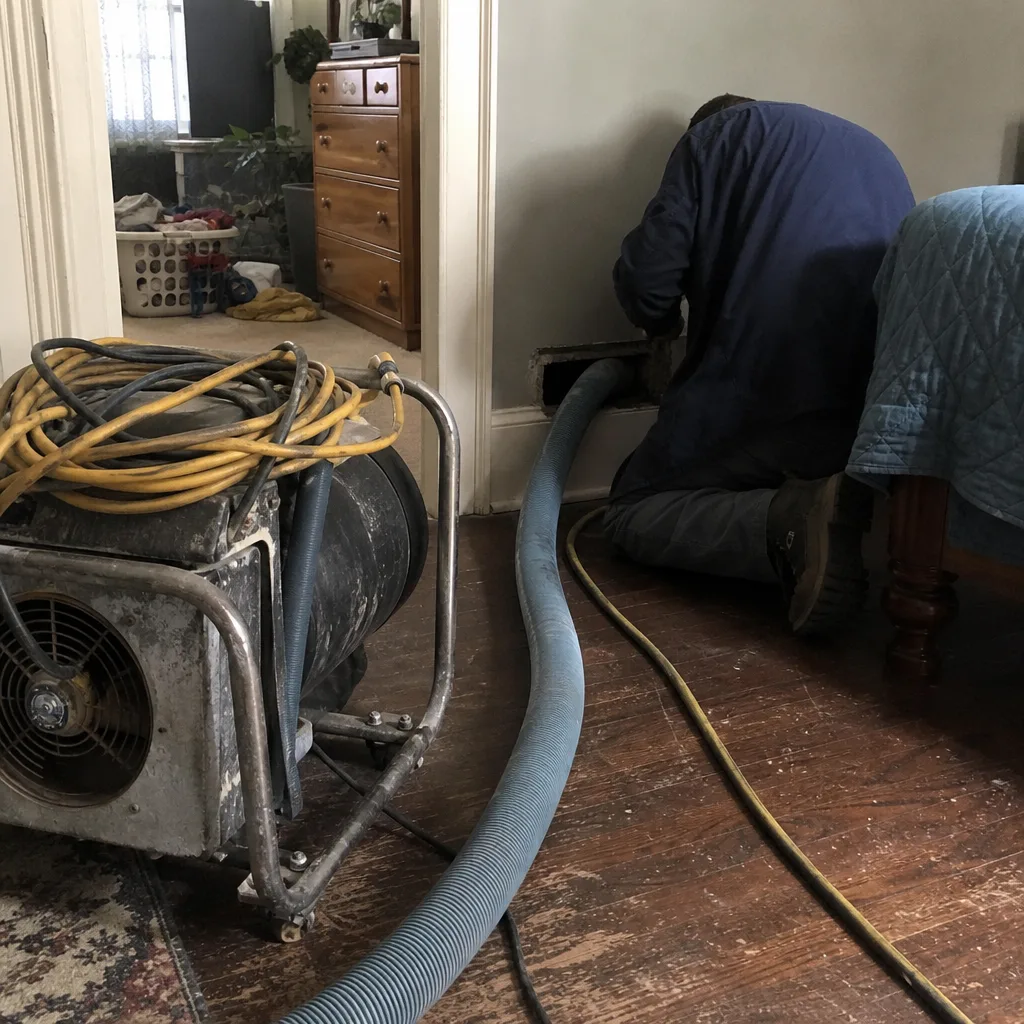
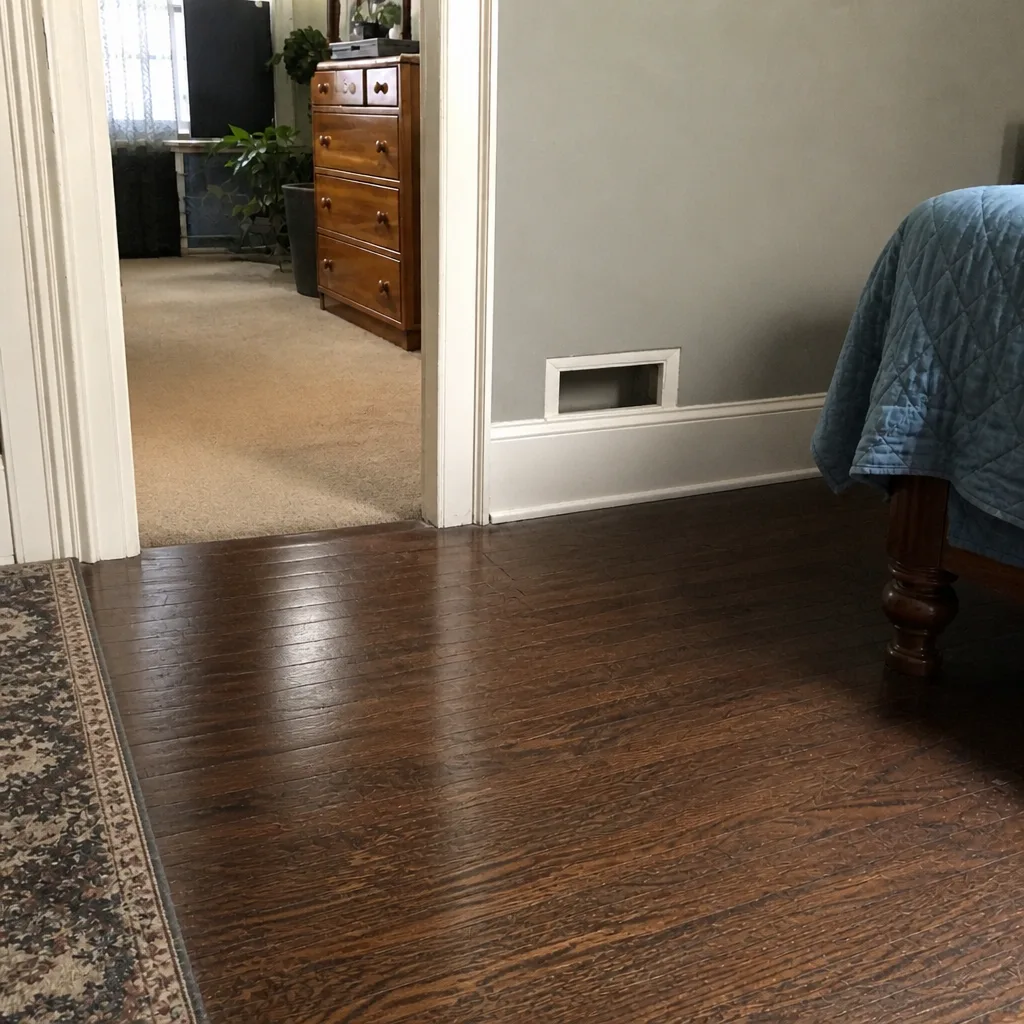
Whole-system duct and dryer vent check with before-and-after photos - you see exactly what came out of your vents
That "$99 whole-house special" is a bait ad - the real number appears once they are in your hallway, or the "clean" is a shop-vac at the register. We photograph the inside of your ducts before and after instead.
Air Duct Cleaning Permits, Codes & Inspections in Mayfair, PA: What You Need to Know
Most homeowners assume duct cleaning is always maintenance work that needs no paperwork. That’s true for the vacuum-and-brush job you picture. But a cleaning that adds access panels, replaces flex duct, injects aerosol sealant, or wraps a pressurized trunk line has crossed a line into something Pennsylvania regulates, and the homeowner is the one left holding the consequences if nobody pulled the right permit. This guide lays out exactly where that line sits in Mayfair, which authority inspects what, how pre-1978 duct wrap changes the whole plan, and how to check that the person in your basement is actually licensed under state home improvement law.
Quick Answer
Standard air duct cleaning in Mayfair, PA does not require a permit when the scope is limited to removing debris through existing openings and registers. A permit is generally required once the work becomes a mechanical alteration: cutting new access openings into rigid duct, replacing or rerouting duct runs, installing new registers, or applying sealant to ducts that carry conditioned air. Asbestos-wrapped duct in pre-1978 homes must be identified and handled under Pennsylvania’s asbestos rules before any cleaning begins.
Styles & brands we work with
- Whole-home duct cleaning
- Dryer vent cleaning
- Camera inspection
- Sanitizing & deodorizing
Table of Contents
- Where Pennsylvania’s Uniform Construction Code Draws the Line
- Philadelphia County Jurisdiction: Who Inspects What in Mayfair
- Encapsulation and Aerosol Sealing: EPA-Registered Material Disclosure
- Asbestos-Wrapped Ductwork in Pre-1978 Mayfair Homes
- Verifying a Contractor Under PA Home Improvement Contractor Law
- What an Inspection Actually Looks Like
- Documents You Should Leave With
- What This Costs When Permits or Repairs Enter the Job
Where Pennsylvania’s Uniform Construction Code Draws the Line
Pennsylvania’s Uniform Construction Code adopts the International Residential Code and International Mechanical Code as the state baseline, and those codes treat ductwork as part of the mechanical system. That framing is what matters. A cleaning that removes debris from the inside of the duct is not construction. A cleaning that changes the duct system is.
In practical terms, here is how we explain the split to a Mayfair homeowner standing in their basement:
- No permit, straightforward: mechanical cleaning of existing duct runs, air handler and coil compartment cleaning, register and grille cleaning, sanitizing the interior surfaces of existing duct.
- Usually permit-triggering: cutting new access panels into rigid metal duct runs that weren’t designed with them, replacing damaged flex duct, adding or relocating a supply or return register, rerouting a run, or sealing joints and seams on ducts that convey conditioned air.
- Always permit-triggering: any change to the air handler itself, resizing of duct, or work that affects the combustion air supply for a fuel-burning appliance.
One local wrinkle we mention often: Mayfair’s housing is dense rowhouse stock, and a lot of it has duct runs that were added or altered over the decades by previous owners. A cleaner who cuts a fresh access panel into a return trunk without checking what’s above it can nick wiring or plumbing that was never where the drawings said. That’s a second reason the “is this a modification?” question deserves a real answer before anyone starts.
Municipalities in Pennsylvania can adopt and enforce the UCC locally, and many do through their own code office. Mayfair sits inside Philadelphia, which changes the enforcement picture in ways worth spelling out separately.
Philadelphia County Jurisdiction: Who Inspects What in Mayfair
Mayfair is a Philadelphia neighborhood, and that means state code and city code authority overlap in a way that confuses a lot of homeowners. The UCC sets the technical standard. Philadelphia enforces it through its own permitting and inspection process, including electrical, plumbing, mechanical, and building permits filed through the city’s licensing and inspections department.
What that means for duct work in a Mayfair rowhouse:
- Determine whether the scope is maintenance or alteration. This is the first decision, and it determines whether you file anything at all.
- If it’s an alteration, the permit comes from the city, not the state. Philadelphia issues the permit under the UCC it has adopted. You are not filing with a state office.
- The contractor pulls it, not you. Under Pennsylvania home improvement law the contractor must be the one holding the registration that the permit is tied to. A homeowner-pulled permit for work someone else performs can create liability problems down the road.
- Inspection follows the permit. A city inspector verifies the rough and final stages of mechanical alterations. Cleaning-only work has no inspection attached.
Here’s the part that surprises people: because Mayfair’s housing is largely attached rowhouse construction, mechanical alterations sometimes touch party-wall conditions or shared chases. Those are building code questions layered on top of the mechanical permit, and they’re evaluated case by case. We’d rather a homeowner hear that from us than discover it after a wall is open.
Encapsulation and Aerosol Sealing: EPA-Registered Material Disclosure
Duct sealing has become a real service line, and it’s where a lot of Mayfair homeowners first run into paperwork they didn’t expect. Two different methods matter here, and they carry different obligations.
Brush-applied encapsulation coats the interior duct surface with a sealant that binds remaining particles and seals minor leaks. Aerosol sealant injection introduces an atomized sealant into a pressurized duct system, where it deposits on the leak points from the inside.
Aerosol duct sealing products are registered with the U.S. EPA, and registration carries disclosure obligations. What a homeowner should expect before any sealant goes into their ducts:
- The product name and manufacturer, written down, not spoken over a shoulder.
- The safety data sheet (SDS), which any contractor applying a registered product should be able to hand over or point you to.
- A clear statement of which duct runs are being sealed and which are being left alone.
- Confirmation of what the system needs after sealing: cure time before the system runs, and whether the air handler filters need replacing afterward.
In our work we apply Guardsman-grade surface protection as part of the sanitizing and finishing stage, which is a separate step from sealing but happens in the same visit. We’d rather show you the product label than describe it in vague terms. Duct repair and sealing is part of what we do as a native capability, so when we find a leaking trunk line during a cleaning, the answer isn’t “you’ll need to call someone else.”
Two quick warnings. First, a technician who cannot tell you the name of the sealant going into your ducts is a technician you should stop. Second, sealing is not a substitute for addressing a disconnected duct or a crushed run. Sealant bridges gaps. It doesn’t rebuild a failed joint.
Asbestos-Wrapped Ductwork in Pre-1978 Mayfair Homes
This is the section to read carefully if your Mayfair home dates to before 1978. Duct wrap, duct tape, and joint insulation from that period can contain asbestos. Pennsylvania regulates asbestos abatement through its Department of Labor and Industry and through the federal National Emission Standards for Hazardous Air Pollutants, and the rules are not optional.
What a cleaning contractor is legally required to do before touching suspect ductwork:
- Identify the material. If the wrap, tape, or insulation looks like it could be asbestos-containing, treat it as if it is until a sample says otherwise.
- Stop work in that area. Cleaning a duct covered in deteriorating asbestos wrap can dislodge fibers into the airstream and into the basement. That is exactly the outcome a cleaning is supposed to prevent.
- Refer for testing. Sampling and analysis is done by an accredited lab, and the sample is collected by someone trained for it. This is not a call a cleaning technician makes with a visual inspection.
- Abatement before cleaning. If the material is confirmed asbestos-containing and is in a condition that would be disturbed, it must be abated by a certified asbestos abatement contractor under a separate scope before any duct cleaning proceeds.
We bring Abatement Technologies negative-air and HEPA containment equipment to jobs where dust control matters, and that gear is the same class of equipment used in remediation work. It’s useful for containing dislodged particulates during a normal cleaning. It is not a substitute for asbestos abatement, and we don’t present it as one. If we find suspect wrap in a Mayfair home, the job pauses and the homeowner gets a straight answer about what comes next.
Verifying a Contractor Under PA Home Improvement Contractor Law
Pennsylvania’s Home Improvement Consumer Protection Act requires contractors who perform residential improvement work above a set annual threshold to register with the Office of Attorney General as a Home Improvement Contractor. The registration number must appear in the written contract. Holding a business license and holding HIC registration are two different things, and the gap between them is where homeowners get hurt.
Here’s how to check, in order:
- Ask for the HIC registration number, in writing. Not “we’re licensed,” not a business privilege number. The registration number itself.
- Look up the registration on the state Attorney General’s HIC search before signing anything. The number should match the company name on the contract.
- Read the contract terms the law requires. A written contract over the threshold must include the HIC number, the total price, a description of the work, and the required notice-of-cancellation language. A one-paragraph invoice is not that.
- Confirm insurance and workers’ compensation. Ask for a certificate of insurance and verify it names the same entity you’re hiring. The local pro is licensed and insured as their state requires.
- Check whether the company pulls its own permits. A contractor who asks you to pull the permit for mechanical work is a contractor who has told you something important about how the job will run if there’s a problem.
One more thing about Mayfair specifically: many residents get solicitations from out-of-area crews after storms or during the spring turnover. Even for duct cleaning, the registration check takes two minutes and it is the single best filter available.
What an Inspection Actually Looks Like
Cleaning-only work isn’t inspected, but the prep work behind it still matters, and the pre-clean assessment is where most of the risk in this trade gets caught. Here’s what a full-system job should include before extraction begins.
We run Rotobrush contact-cleaning systems on the duct runs, which is the equipment class NADCA-trained contractors typically specify, and Nikro professional equipment for source-removal cleaning of the air handler and coil compartment. Alongside that, our technicians have up to 8 years of experience and they’ve seen what a rowhouse duct run looks like when nobody has touched it in twenty years.
The pre-clean assessment should cover:
- System condition survey: disconnected runs, crushed flex, rusted trunks, blocked registers, animal entry points.
- Asbestos and suspect material check in homes built before 1978, as described above.
- Air handler review: filter condition, blower cleanliness, coil condition, and whether the drain pan is holding water.
- Photographic before-imaging of accessibility points so you can see what was there before extraction.
- Scope statement in writing confirming what will be cleaned, what will be repaired, and what will be left alone.
After cleaning, the before-and-after photos of your own ducts are the verification. Not a checklist with boxes ticked. Actual images of the runs you can compare to what was there when the crew started. If a follow-on repair or sealing scope is needed, that’s identified at the same stage and priced before work proceeds.
Documents You Should Leave With
You should never sign for a completed duct cleaning without a paper trail. Here is what a properly run job produces, whether or not a permit was involved:
- The written estimate you signed, with the scope of work described in full and the price agreed before any work began.
- The contract, including the HIC registration number if the work crosses the state threshold for home improvement.
- The permit number and inspection record, if the job included a mechanical alteration. Keep these with your home records; a future buyer’s inspector may ask.
- Product documentation for any sealant, sanitizer, or encapsulation product applied, including the SDS.
- Before-and-after images of the duct runs cleaned, and photos of any repair work performed.
- An air-quality product record if Honeywell or Aprilaire filtration, purification, or humidity control was installed afterward, with model numbers and filter sizes so you can reorder without guessing.
On that last point: we stock and install Honeywell and Aprilaire products because cleaning is only the first half of the job. Empty ducts with a bare-bones filter and no humidity control will refill with dust at the same rate as before. A filter with a documented MERV rating and a properly sized dehumidification setup changes the long-term picture. That’s a mechanical upgrade, and it should appear in your records the same way.
What This Costs When Permits or Repairs Enter the Job
Straight answer: duct cleaning itself is priced as one flat price per system, agreed in writing before the crew starts. That pricing doesn’t change based on permits, because a cleaning-only job requires no permit. Once a mechanical alteration or a repair scope enters the conversation, the pricing structure is different and it should be spelled out as its own line item.
Here’s how we explain the ways a job can shake out. Typical above the base cleaning scope:
- Cleaning scope: one flat price per system, set by written estimate. No per-vent pricing, no teaser coupon figure that becomes a much larger invoice once a technician is on site.
- Duct repair and sealing: priced per the repair scope, with materials documented. Aerosol sealing and brush-applied encapsulation are quoted separately from cleaning.
- Mechanical alteration with permit: permit fees are set by Philadelphia, not by us, and they appear as a pass-through cost on the written estimate.
- Air-quality upgrades: Honeywell and Aprilaire filtration, purification, or humidity control products priced by model as a separate line item.
- Dryer vent cleaning: a discrete service, priced on its own, and worth doing on the same visit if the vent run hasn’t been touched.
Our honest recommendation to any Mayfair homeowner getting quotes: ask each contractor whether a permit would be required for the specific scope they’re proposing, and listen for the answer. A contractor who says “never, don’t worry about it” for a job that includes new access panels or flex replacement has told you something useful. The written estimate sets the final price, and a proper estimate names the scope in enough detail that you can see whether the permit line belongs there.
Common Mistakes to Avoid
- Assuming “cleaning” and “duct work” are the same permit category. A cleaning-only job needs no permit, but adding access panels or replacing flex runs does. Ask the question in writing before you sign.
- Pulling your own permit for work someone else performs. This shifts liability to you and creates problems if the inspection fails. The contractor pulls the permit.
- Letting anyone touch pre-1978 duct wrap without testing. Suspect asbestos-containing duct wrap must be identified and, if necessary, abated before cleaning. Visual inspection isn’t identification.
- Accepting a business license as proof of HIC registration. These are separate registrations. Ask for the HIC number and look it up.
- Choosing the lowest quote without asking what equipment is coming. A shop-vac crew and a contractor running a Rotobrush contact-cleaning system are doing different jobs at the same nominal price point.
- Skipping the follow-on air-quality step. Empty ducts plus a bare filter equals a re-dirty system within a year. Ask what filtration and humidity control are being installed afterward.
- Signing off without photos or documentation. Before-and-after images and a complete paper trail are the only way to know the work was actually done.
See the difference
 Before
 After
 Before
 After
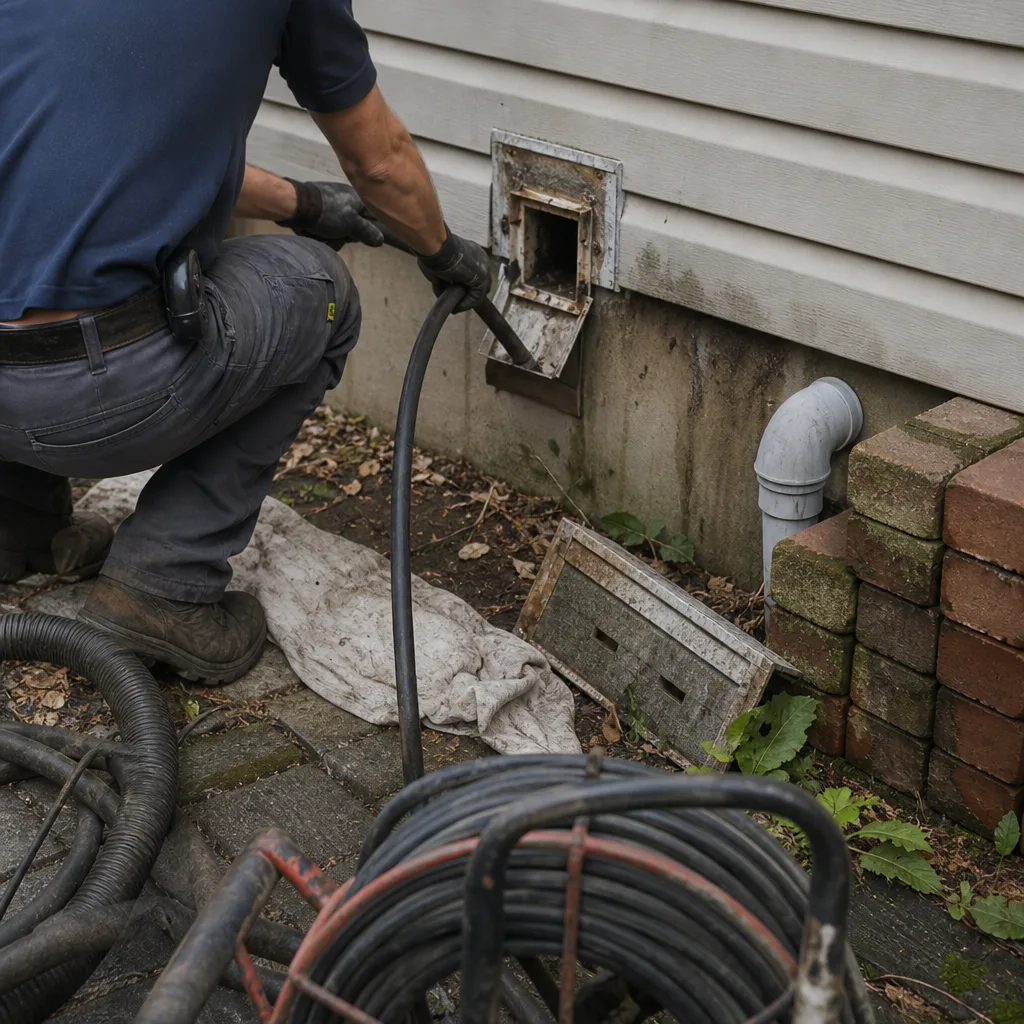 Before
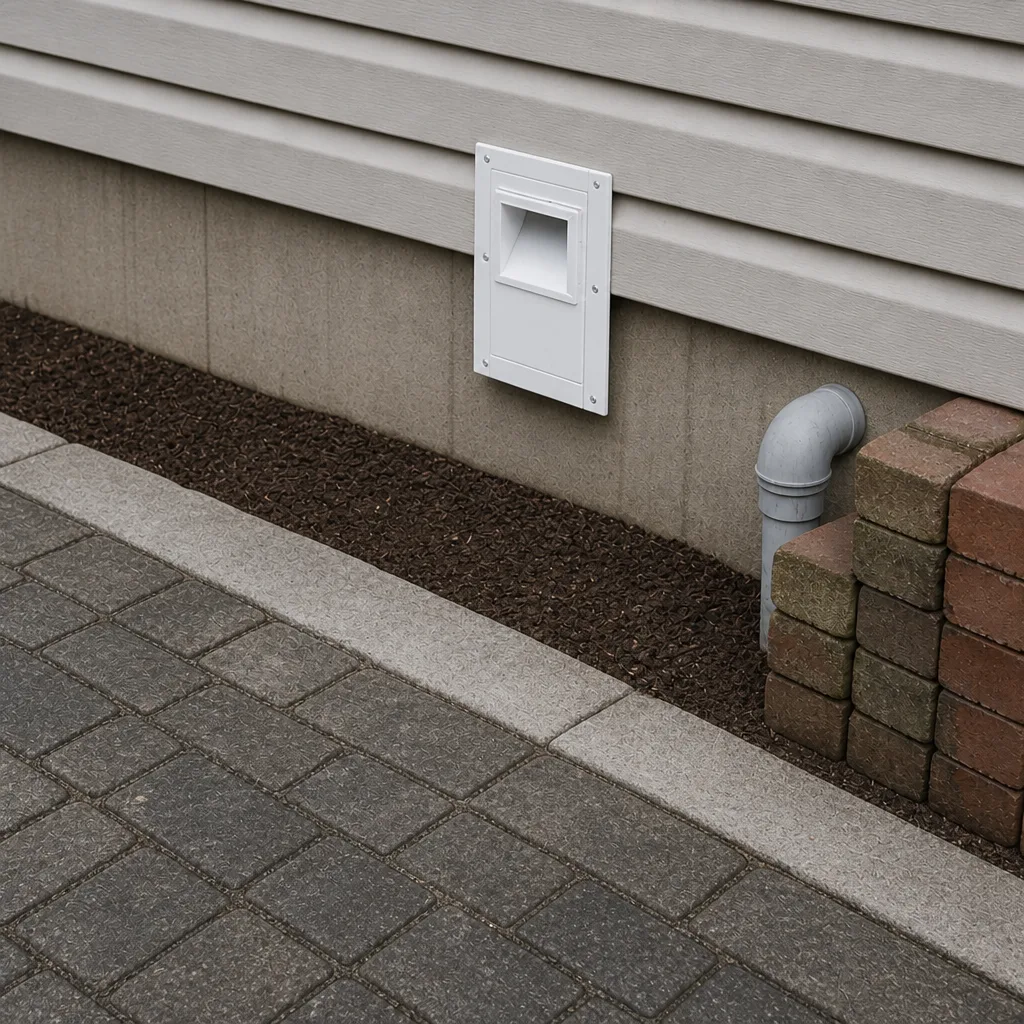 After
When to Call a Professional
Call a professional when the scope crosses from cleaning into anything else. If a technician proposes cutting a new access opening into rigid duct, replacing a flex run, adding a register, or applying sealant to pressurized ductwork, that’s a mechanical question with a permit answer attached, and it should go to someone who can walk you through it. Call us if you’ve found duct wrap in a pre-1978 Mayfair home and you don’t know what to do next, if your ducts have never been cleaned and you’re seeing airflow problems or allergy flare-ups, if your HVAC equipment hasn’t been looked at since installation, or if the dryer vent line has never been serviced. Air Duct Cleaning Mayfair offers free estimates in Mayfair. Call (888) 611-5717. We answer 24/7. Fast dispatch from 7am to 7pm, Sunday through Friday.
Frequently Asked Questions
No, cleaning-only duct work in Mayfair does not require a permit under Pennsylvania’s Uniform Construction Code. A permit becomes necessary when the work changes the mechanical system: new access panels cut into rigid duct, flex duct replacement, added or relocated registers, or sealant applied to ducts carrying conditioned air. Call (888) 611-5717 and we’ll tell you which category your scope falls into before anyone starts.
Philadelphia enforces the Uniform Construction Code through its own licensing and inspections department, so permits for mechanical alterations in Mayfair are filed with the city, not the state. The state sets the technical standard and the city issues and inspects. If a contractor tells you the state handles permitting for a Mayfair rowhouse, ask them to show you the paperwork.
Aerosol duct sealant products are registered with the U.S. EPA, and registration carries disclosure obligations. Before any sealant is applied, the contractor should be able to give you the product name, the manufacturer, and the safety data sheet. If your technician can’t name the product going into your ducts, stop and ask. Call (888) 611-5717 for a written scope that lists materials.
Suspect asbestos-containing duct wrap must be identified before any cleaning begins, and if it’s confirmed and in a condition that would be disturbed, it must be abated by a certified contractor under a separate scope. Cleaning a duct with deteriorating wrap can put fibers into the air, which is the opposite of what you hired us to prevent. We pause the job and refer for testing whenever we find suspect material.
Ask for the Home Improvement Contractor registration number in writing and look it up on the Pennsylvania Attorney General’s HIC search before signing. A business privilege license is not the same thing. The registration number must also appear in the written contract once the job crosses the state threshold. If a contractor hesitates to give you the number, that’s the answer.
No, a cleaning-only job isn’t inspected because no permit was pulled for it. Mechanical alterations are inspected in rough and final stages by the city. For a cleaning job, the verification you should ask for is before-and-after photos of your own duct runs, the product documentation for anything applied, and a complete written scope. Call (888) 611-5717 and we’ll walk you through what a full-system job includes.
The Bottom Line
Routine air duct cleaning in Mayfair needs no permit, and the moment the scope includes new access panels, flex replacement, or sealant on pressurized ducts, the work becomes a mechanical alteration governed by Pennsylvania’s Uniform Construction Code and enforced by Philadelphia. Pre-1978 homes demand an asbestos check before anyone touches suspect duct wrap. And the single best protection against every problem in this guide is the HIC registration lookup: two minutes, state database, before you sign. We’re Air Duct Cleaning Mayfair, and we work in the equipment class this trade expects, with Rotobrush contact cleaning, Nikro source removal, and Abatement Technologies containment.
Contact
If you’re sorting out what your Mayfair duct job actually involves, whether it’s cleaning, repair, sealing, HVAC cleaning, or a dryer vent cleaning you’ve been putting off, call us for a free estimate. We’ll tell you which side of the permit line your scope sits on and put it in writing before any work begins. Call (888) 611-5717. We answer 24/7. Fast dispatch from 7am to 7pm, Sunday through Friday.
Written by the team at Air Duct Cleaning Mayfair.