
Last updated November 25, 2026
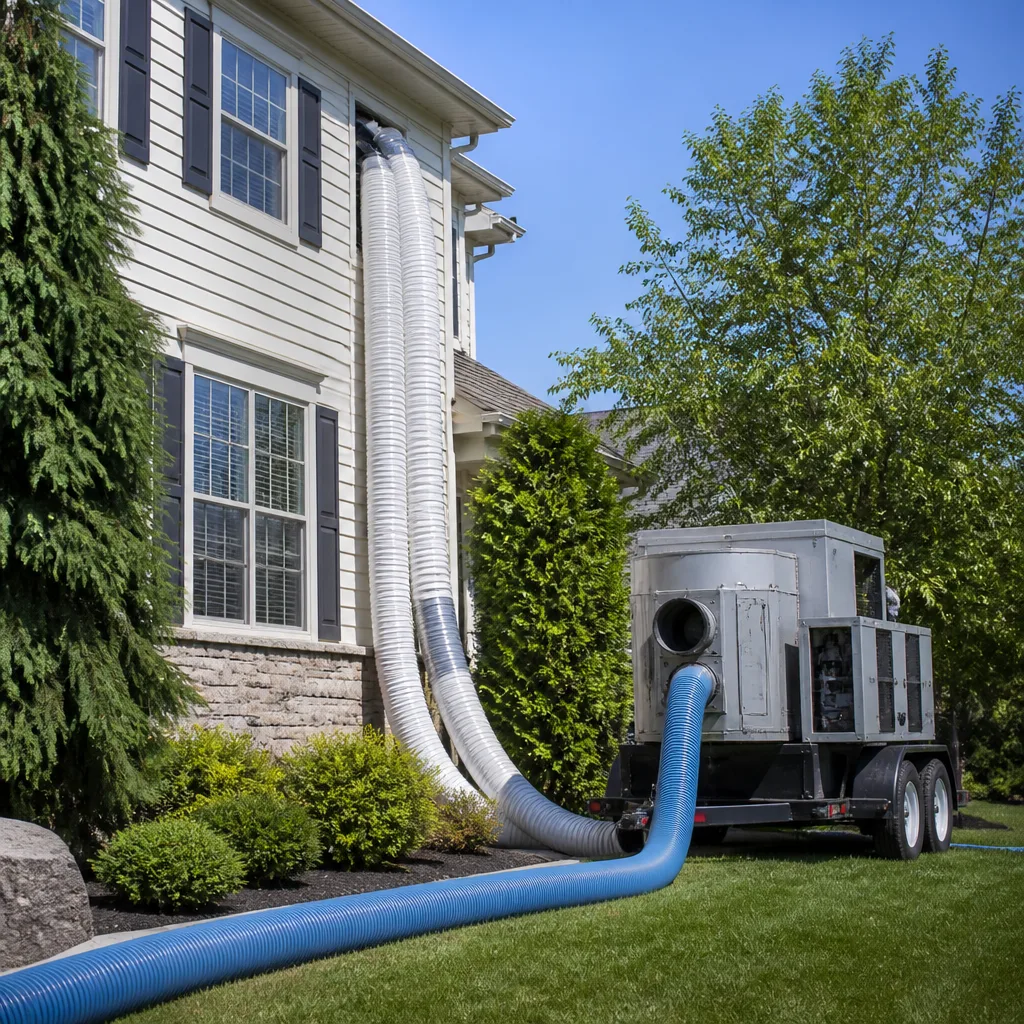 Whole-home duct cleaning
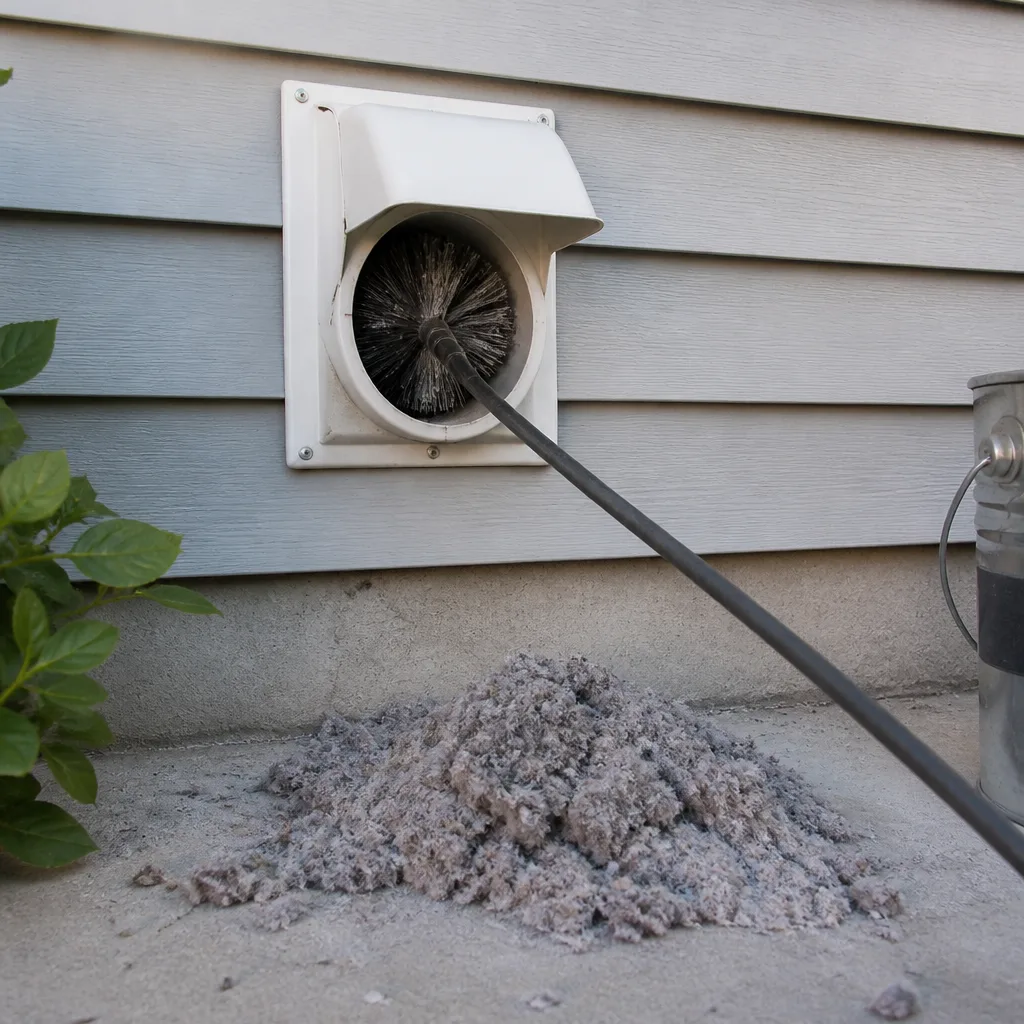 Dryer vent cleaning
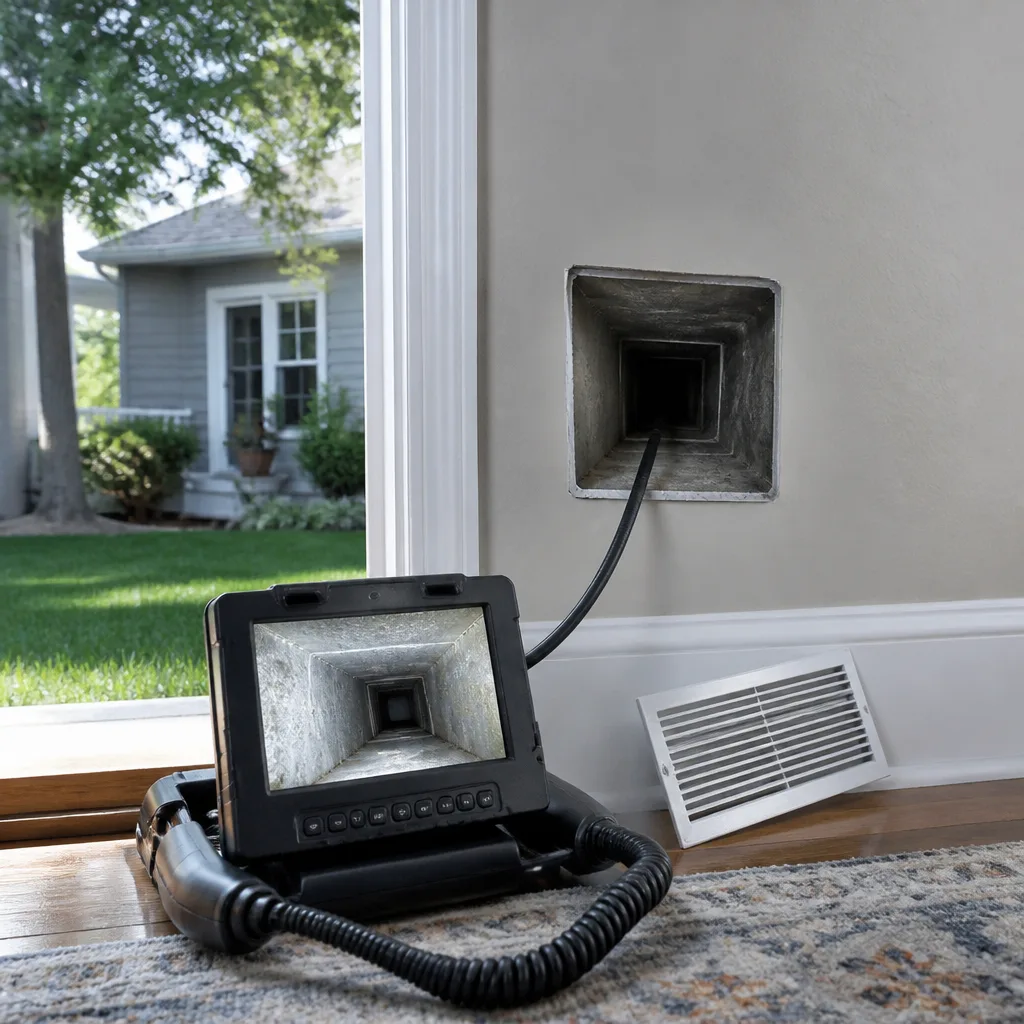 Camera inspection
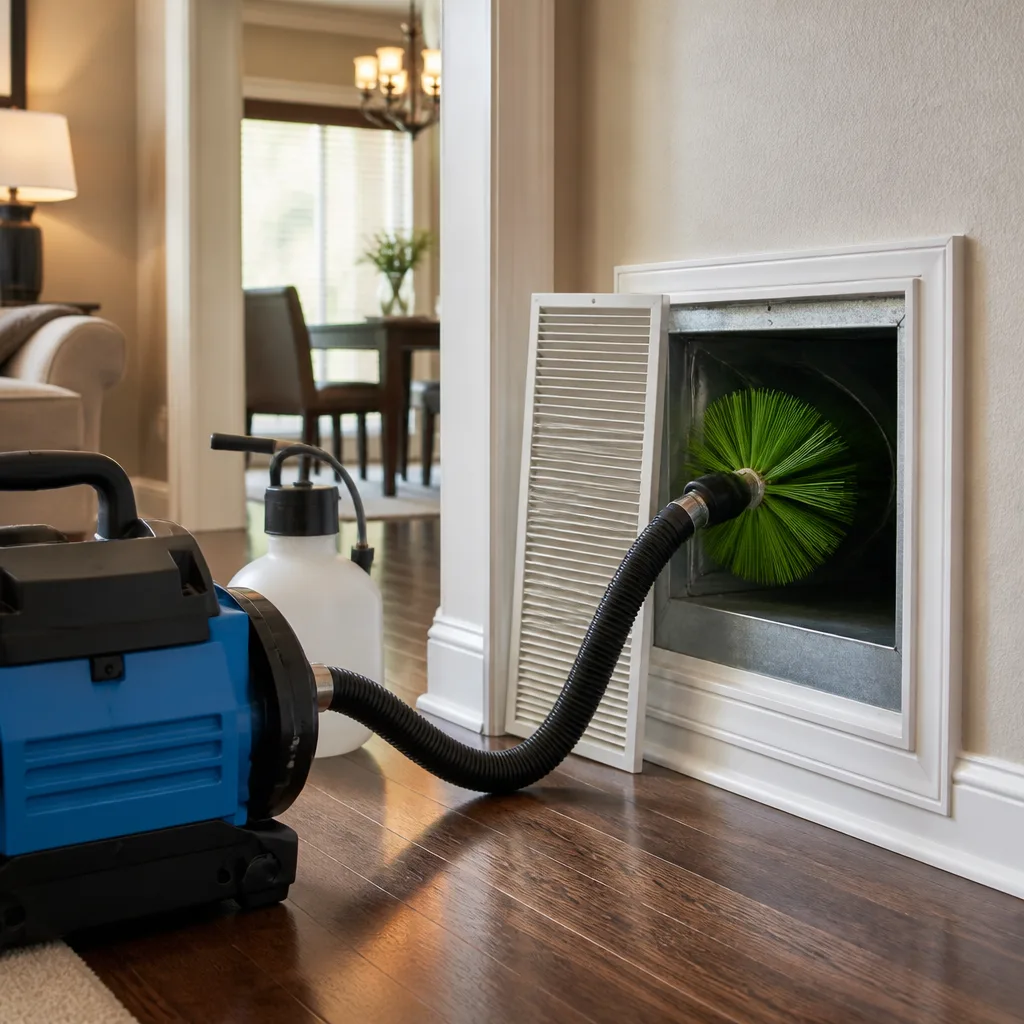 Sanitizing & deodorizing
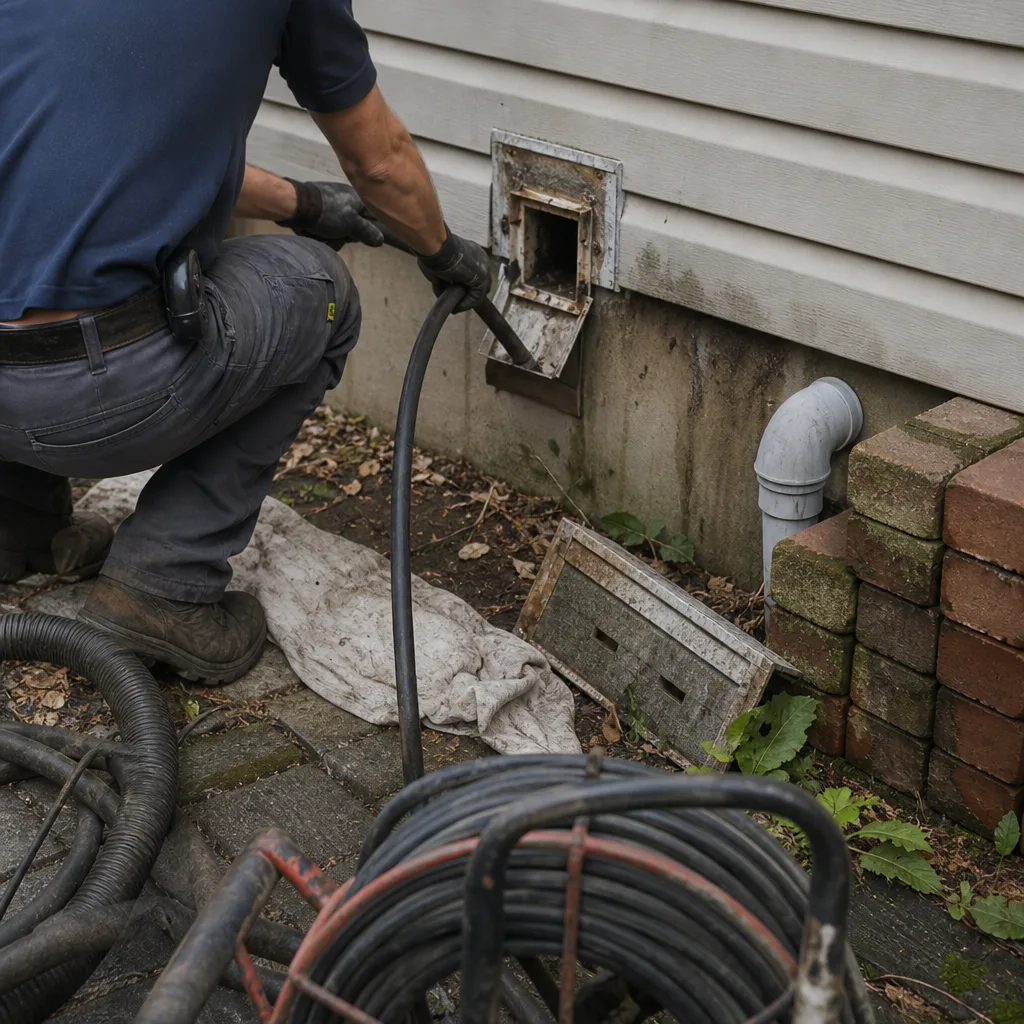
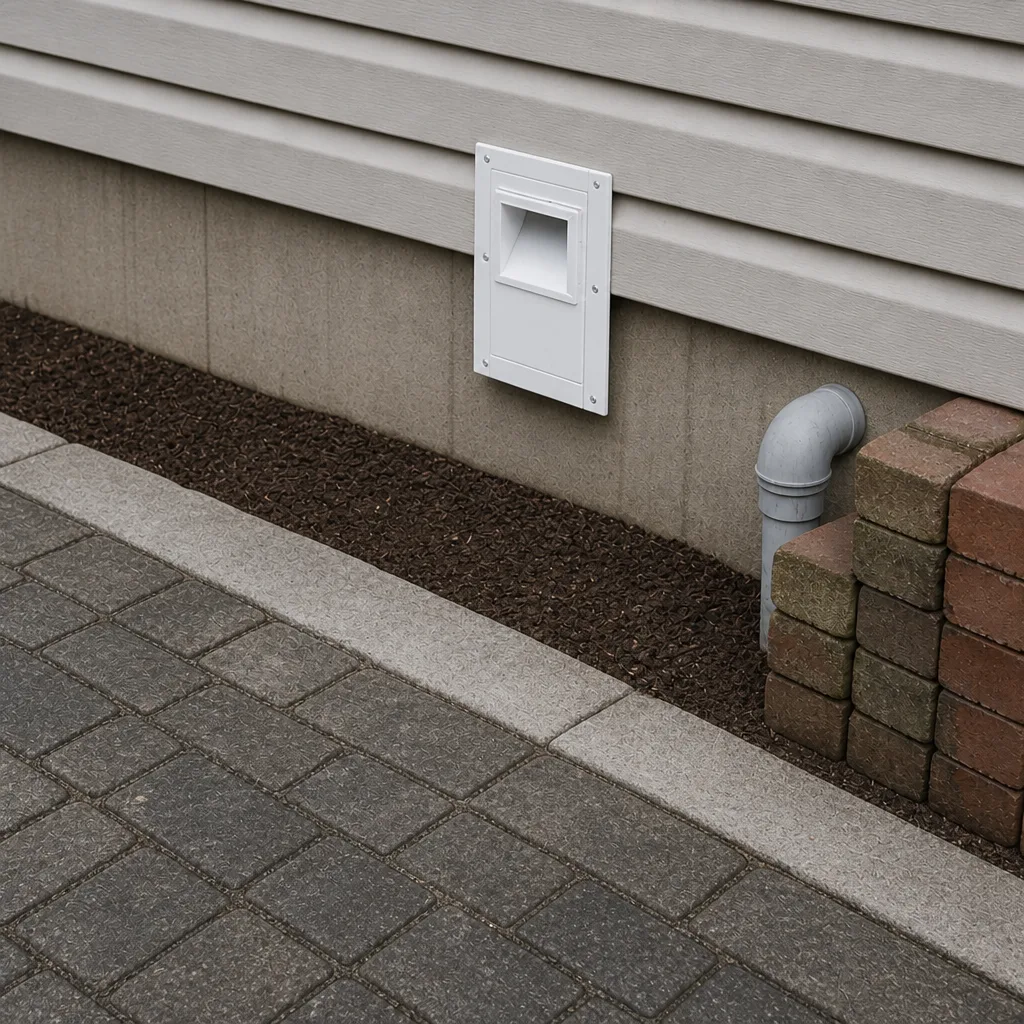
Whole-system duct and dryer vent check with before-and-after photos - you see exactly what came out of your vents
That "$99 whole-house special" is a bait ad - the real number appears once they are in your hallway, or the "clean" is a shop-vac at the register. We photograph the inside of your ducts before and after instead.
Choosing the Right Air Duct Cleaning Brand: A Buyer’s Guide for Mayfair
The logo on the truck tells you almost nothing. In Mayfair, several national franchise names operate through independently-owned locations, and the equipment, training standard and service scope behind that name can swing wildly from one operator to the next. Two vans with the same decal can arrive with entirely different capability. What actually separates a real full-system cleaning from a large vacuum with a familiar sticker is the equipment specification, the training behind the technician holding the wand, and whether the company can fix what it finds. This guide walks you through how to read all three, so the brand you hire is a meaningful signal instead of a marketing one. By the end you’ll know what to ask, what the quote sheet should show, and how to spot the difference.
Quick Answer
The right air duct cleaning brand in Mayfair is the one that shows you its equipment specification, can explain its cleaning method in mechanical terms, and offers duct repair and sealing under the same call rather than referring you out. A recognizable franchise name is not proof of any of that; a documented process and a full service scope are. Judge the quote, the tools and the scope, not the logo.
Styles & brands we work with
- Whole-home duct cleaning
- Dryer vent cleaning
- Camera inspection
- Sanitizing & deodorizing
Table of Contents
- How do you evaluate air duct cleaning equipment specifications?
- Are national franchises or local independents more accountable in Mayfair?
- What does NADCA certification mean at the company level versus the technician level?
- Why does service scope separate brands more than price?
- How do you read reviews for duct cleaning specifically?
- What should a real duct cleaning job actually involve?
- When does cleaning stop being enough and air-quality equipment enter the picture?
- Common Mistakes to Avoid
- When to Call a Professional
How do you evaluate air duct cleaning equipment specifications?
Ask for the machine type and the airflow rating. That single question separates companies faster than anything else on the quote sheet. Truck-mounted units draw far more air volume than portable units, and in a full-size home with long trunk runs and multiple branches, the difference in what each can actually accomplish is real. A portable rig can work well in a condo or a small unit; a whole-house system with a sprawling supply layout is a different job. Neither is automatically right, but the company should be able to tell you which it’s bringing and why.
Airflow rating matters because it governs whether the vacuum can lift loose debris through the length of the duct, not just at the register boot. But volume alone doesn’t clean a duct. Debris clings to the duct wall, and pulling air past it won’t always break the bond. That’s why contact-based cleaning exists: rotary-brush systems physically agitate the surface while the vacuum carries the freed material away. Rotobrush contact-cleaning systems are the equipment class specified by NADCA-trained contractors, and they’re built around this principle. Vacuum alone extracts; contact plus vacuum removes.
Here’s what to look for on the quote or in the conversation:
- Machine type: truck-mount or portable, and whether the company will tell you which.
- Airflow rating: the CFM figure, stated plainly rather than dodged.
- Cleaning method: contact-based (rotary brush, whip, air agitation with extraction) versus vacuum-only.
- Air handler access: whether they clean the air handler and coil compartment, not just the visible duct runs.
- Containment: negative-air or HEPA equipment to capture what the cleaning dislodges instead of letting it recirculate into the room.
The last point is the one buyers forget. Cleaning loosens a lot of material, and unless the company is holding negative pressure in the work zone, some of it ends up back in the living space. Abatement Technologies negative-air and HEPA containment equipment is the same class of gear used in remediation work, and a company that brings it is telling you it takes containment seriously. That is a specification a franchise name won’t reveal. If you’re mapping out the whole job from the start, it’s worth reading up on air duct cleaning so the equipment questions land with context.
Are national franchises or local independents more accountable in Mayfair?
Neither category is automatically better, but they fail in different ways, and knowing which failure mode you’re watching for helps. A national franchise brand in Mayfair is usually an independently-owned location operating under license. The parent company sets brand standards; the local owner buys the equipment and hires the technicians. So the name on the van can be a promise the local operator doesn’t fully back up. The machinery and training can vary significantly from one franchise location to the next, even within the same metro.
An established independent has the opposite structure. There’s no brand playbook to hide behind, so capability is fully visible or fully absent. Accountability is direct: the same people you call are the ones whose reputation lives or dies on the job. The trade-off is that an independent has to prove itself with documentation instead of a familiar logo, which means you actually do the evaluating. That’s fine. It’s a healthier conversation than trusting a decal.
What to weigh either way:
- Equipment consistency: does the company use the same documented equipment on every job, or whatever the crew brought that day?
- Training standard: is the technician’s method consistent with a recognized standard, or improvised?
- Scope depth: can they repair and seal duct problems, or only clean around them?
- Who answers for the work: the local operator directly, or a national call center that routes the job?
- Verification: will they show you before-and-after photos of your own system?
In our experience, the accountability question matters more than the affiliation question. A company that puts its process in writing, uses named professional-grade equipment, and offers to fix what it finds is telling you more than any brand badge can. In a market like Mayfair, where customers talk to their neighbors and property managers compare notes, that direct accountability tends to sort the field quickly.
What does NADCA certification mean at the company level versus the technician level?
NADCA certification is not one thing. It applies at two distinct levels, and the distinction is the difference between a company that has met a standard and an individual who has passed a test. Company-level certification means the business as a whole has met NADCA’s requirements for its cleaning process, equipment and documentation. Individual technician certification means a particular person has passed an exam on duct cleaning practice. A brand can advertise “NADCA-certified” and mean either – or, in weaker cases, mean that one technician took a course years ago.
So the question to ask is precise: is the company certified, or is a technician on the crew certified? Who, and does that person work on every job? And can the company describe how it applies NADCA’s cleaning standard in practice, such as using contact-based equipment rather than a vacuum-only pass? A company that has genuinely built its process around the standard will answer all of this without hesitation. One that hasn’t will get vague, and vagueness is the tell.
- Ask which level applies. Company certification, technician certification, or both.
- Ask for the method. How does their certified process actually clean a duct, in equipment terms?
- Ask about coverage. Is the certified technician on every job, or only some?
- Cross-check the equipment. Does the machinery on the quote match the standard they claim to follow?
Rotobrush systems are the equipment class specified by NADCA-trained contractors precisely because contact cleaning is what the standard requires. A company running rotary-brush and HEPA containment gear is demonstrating the method, not just the membership. That’s the version of “certified” that shows up on the invoice as actual cleaning. Our technicians have up to 8 years of experience, and we build the method around that equipment standard rather than around the paperwork. When we clean, the process is the proof.
Why does service scope separate brands more than price?
Most duct cleaning companies do exactly one thing: they clean. That’s a complete service when the ducts are sound, and it’s an incomplete one when they aren’t. Ducts leak at joints, boots pull away from drywall, flex runs get crushed or torn over time, and insulation inside the duct deteriorates. A clean-only crew can pump a brush down a leaky, damaged duct and leave it just as leaky and damaged as it was, only emptier. The job looked done because the ducts looked clean.
A company that repairs and seals as part of the same engagement is showing you something specific: it understands the duct system as a pressure boundary, not as a set of pipes to be brushed. Sealing changes how the system performs. Leaky ducts lose conditioned air before it reaches the room and pull in air from unconditioned spaces, which undermines the cleaning you just paid for. When a company can diagnose leaks, seal joints, repair damaged runs and still deliver the mechanical cleaning, you’re dealing with system-level competence. Clean-only crews refer that work out because they don’t do it.
Look for a branded scope that folds these together:
- Mechanical cleaning of ducts, vents and branches
- HVAC cleaning of the air handler and coil compartment
- Duct repair and sealing of the leaks and damage found on site
- Sanitizing and finishing as the final step
- Dryer vent service as its own fire-safety job
One call covering all of that removes the coordination burden entirely. You’re not managing three trades and a punch list. If your system’s air handler is due for a cleaning, HVAC cleaning is the piece that pairs with duct cleaning, because the coil compartment collects dust and debris the same way the duct runs do. And the dryer vent is separate maintenance with a genuine fire-safety purpose; dryer vent cleaning is worth booking on its own schedule, since a clogged vent is a filled-up lint trap with nowhere to shed heat. A company that handles the whole range of residential ventilation is telling you its equipment and training aren’t boxed into one task.
How do you read reviews for duct cleaning specifically?
Read for complaint and praise patterns, not star counts. Duct cleaning reviews cluster around two failure types, and they mean very different things. The first is price shock: a low teaser number that becomes a much larger invoice once the technician is on site. That’s a business-practice complaint, and it’s a serious one, but it doesn’t necessarily tell you about the cleaning. The second is service failure: the work wasn’t actually done, airflow didn’t change, or damage was left behind. That’s the category that tells you about technical quality, and it’s the one to weight.
Helpful praise patterns are specific. A review that mentions the equipment, the containment, the sealing work, or before-and-after photos of the customer’s own ducts is describing a process. A review that says “great guys, very professional” and nothing else is describing a vibe. Neither is worthless, but only one tells you what you’re paying for. Property managers and homeowners in Mayfair who’ve had a bad job tend to describe it in detail, and the specific-versity of the good reviews is usually matched by the specificity of the bad ones.
- Sort by the complaint language. Price shock complaints say “quote was much higher,” “couldn’t tell me the price,” “upsell.” Service failures say “nothing came out,” “same as before,” “missed vents,” “no photos.”
- Look for process language in praise. Equipment names, sealing, containment, photos, airflow measurements.
- Check for consistency across many reviews. One bad review is noise; the same complaint repeated is a system.
- Look for before-and-after documentation. A company that shows customers their own ducts is inviting them to verify.
- Ignore the star average until you’ve read the text. A 4.6 built on price complaints is a different company from a 4.6 built on service failures.
The strongest signal is a company that answers the price-shock objection directly somewhere, on its site or in its reviews. One flat price per system, agreed before work starts, with no per-vent pricing and no teaser coupon, eliminates the most common complaint before it ever happens. Look for that structure. It’s a marker of a company that sells a job, not a hook.
What should a real duct cleaning job actually involve?
A real job follows a documented sequence, and a good company can walk you through it before anyone unloads a machine. The sequence matters because skipping steps is how cleaning turns into a surface-level pass. Here’s what a full-system cleaning looks like from start to finish:
- Inspection and assessment. The technician inspects the duct runs, the air handler, and the accessibility of each branch, and identifies leaks or damage before cleaning starts.
- Protection and containment. Surface protection goes down, and negative-air or HEPA equipment is set up to hold the work zone under pressure so dislodged material doesn’t escape into the house.
- Source-removal cleaning. Contact-based rotary equipment agitates the duct walls while the vacuum extracts the loosened debris. The air handler and coil compartment get the same treatment with the right attachments.
- Register and vent cleaning. Supply and return registers are removed, cleaned and refitted.
- Repair and sealing where needed. Leaks, torn flex, separated joints and damaged boots get repaired or sealed before the job closes.
- Sanitizing and finishing. A Guardsman-grade surface protection step is applied as part of sanitizing and finishing, and a final verification of airflow and containment integrity is done.
- Documentation. Before-and-after photos of your own ducts, and a written summary of what was found and what was done.
That sequence is what distinguishes source-removal cleaning from blow-and-vacuum. The vacuum is necessary; the contact cleaning is what does the work. If your quote describes only a vacuum pass, you’re not getting the full process. If it mentions named equipment such as Rotobrush or Nikro systems, containment, sealing and photo documentation, you’re looking at a company that treats the system as a system. When you’re ready to compare quotes, start from the main Air Duct Cleaning Mayfair page so the scope and the service boundaries are clear before you call.
When does cleaning stop being enough and air-quality equipment enter the picture?
Cleaning resets the system. It doesn’t change what the system does afterward. Once the ducts are clean, filtration and humidity control decide how fast they collect dust again and how the air in the home actually behaves. A cleaning-only company leaves you at that point with empty ducts and no path forward, and within a year or two you’re scheduling another cleaning. A company that installs air-quality equipment treats the cleaning as the start of the job, not the end.
That’s where Honeywell and Aprilaire product capability matters. After cleaning, a system can be fitted with better filtration to capture finer particles before they settle, purification to deal with what filtration can’t, and humidity control to keep moisture where it belongs. Mayfair’s seasons matter here: humid summers load a system with moisture that encourages biological growth on the coil, and dry winters crack and dust the home. Humidity control on both ends is part of keeping the ducts clean in the long run. We install Honeywell and Aprilaire equipment as the natural next step, so a completed cleaning leaves you with a system that performs, not just one that’s been emptied.
The buying signal is simple: ask what comes after the cleaning. A company with no answer is selling one job at a time. A company that can talk through filtration, purification and humidity control has a plan for the system’s ongoing performance. That’s the difference between cleaning a house and maintaining one. One call covers the cleaning and the upgrades that keep it holding.
See the difference
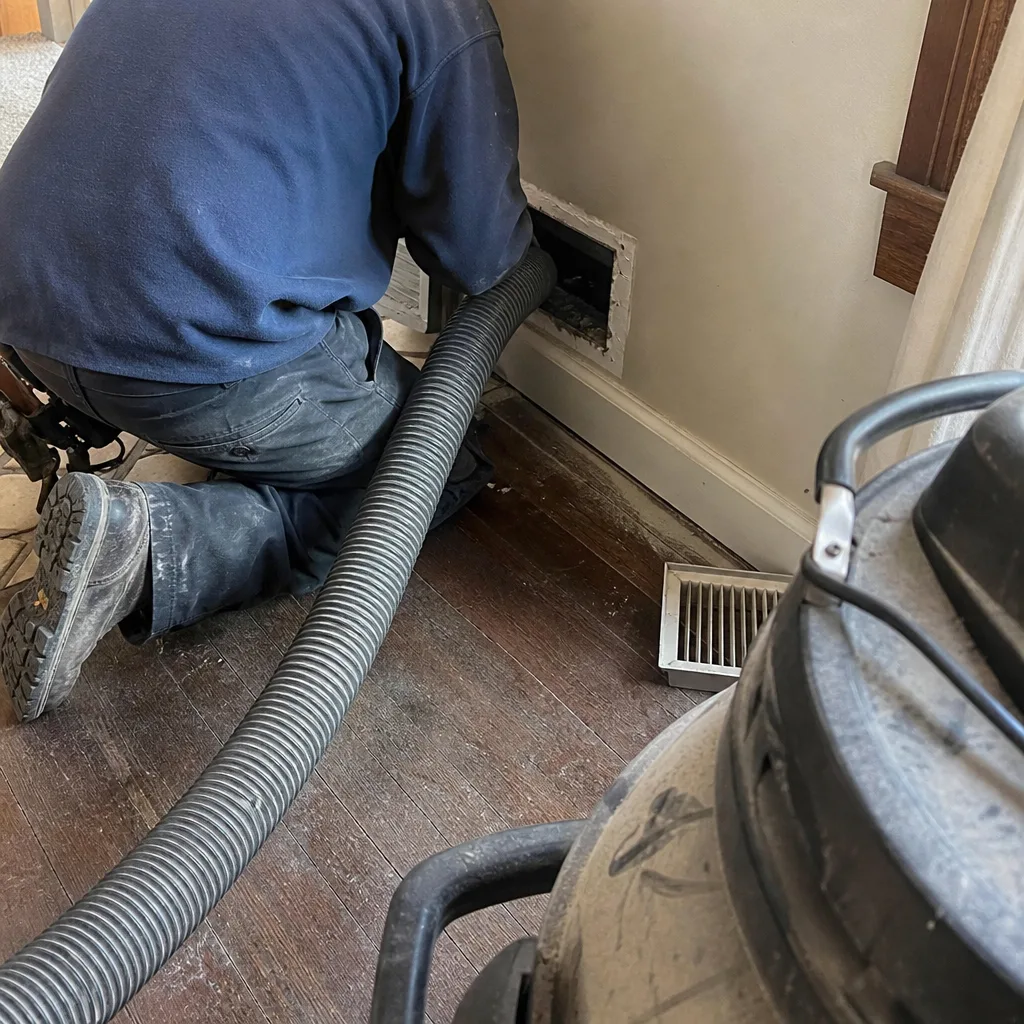 Before
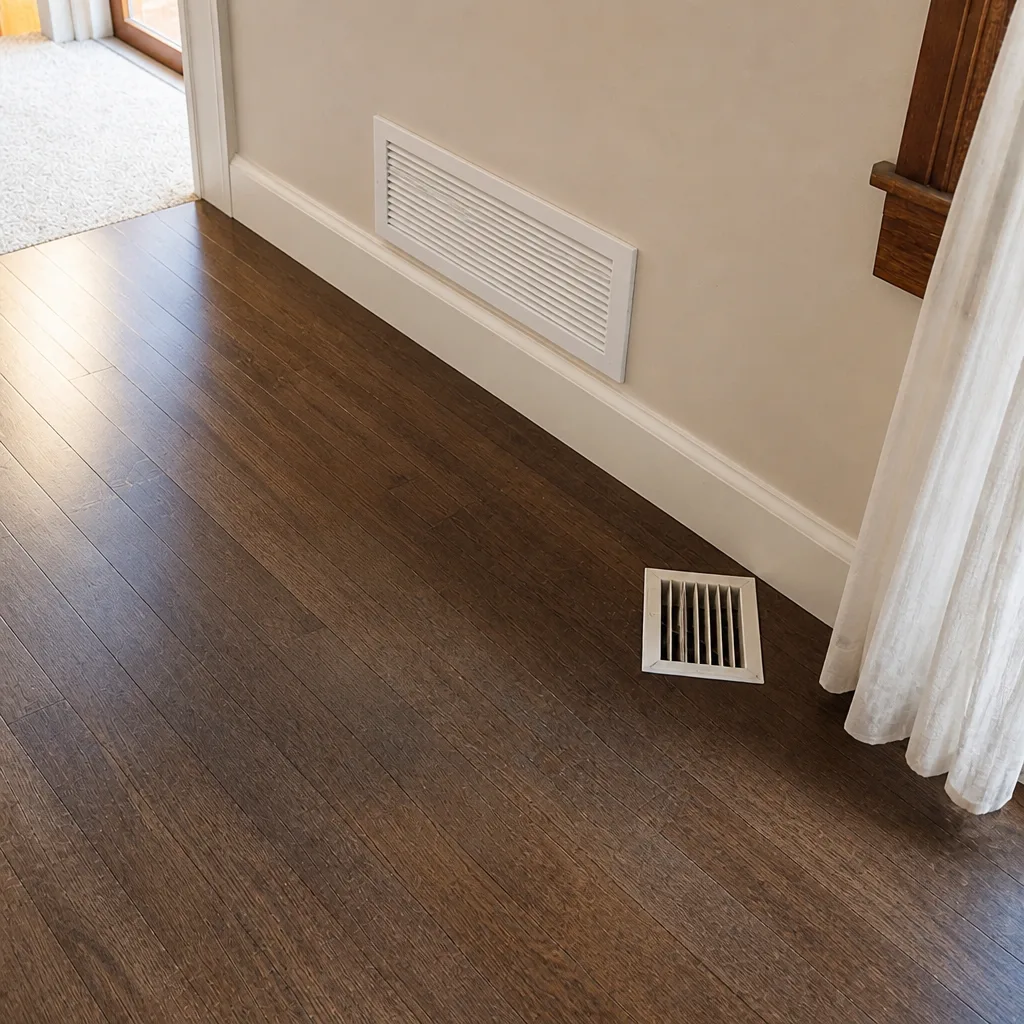 After
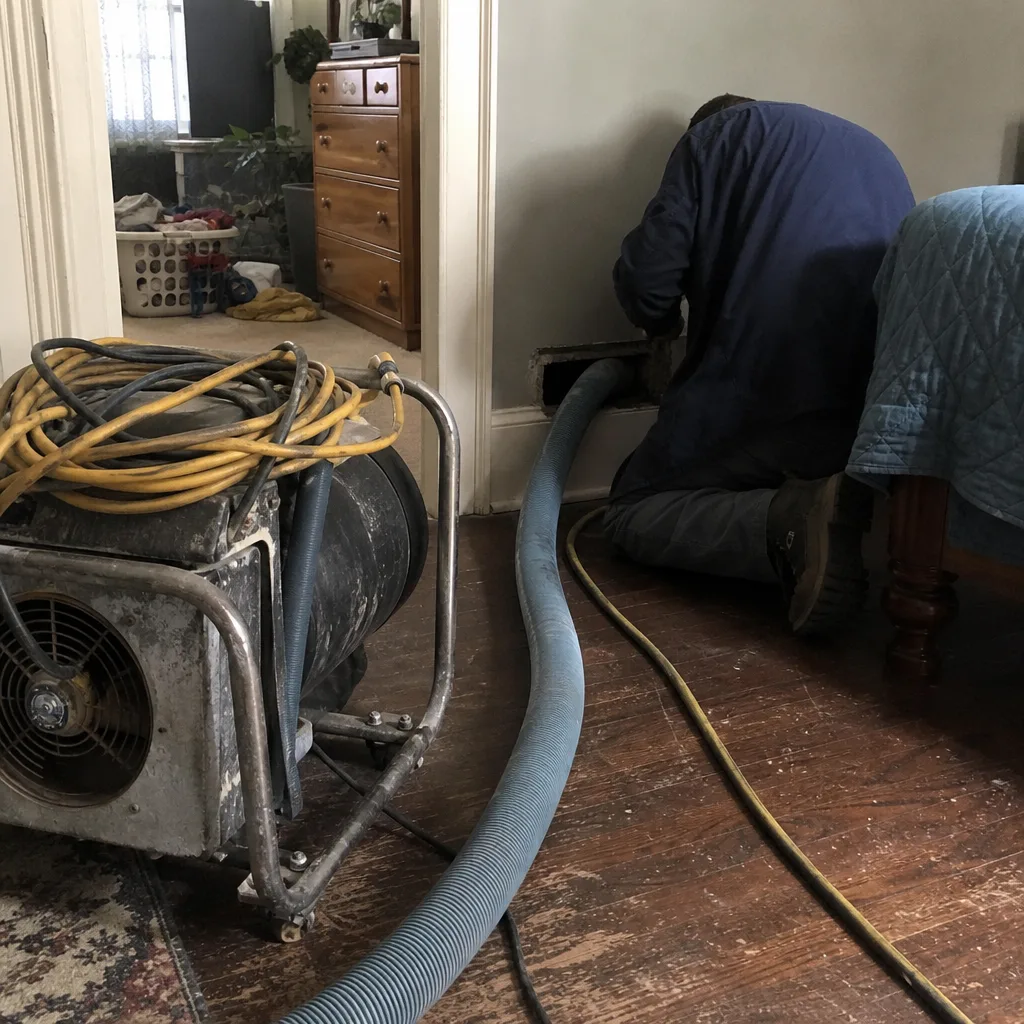 Before
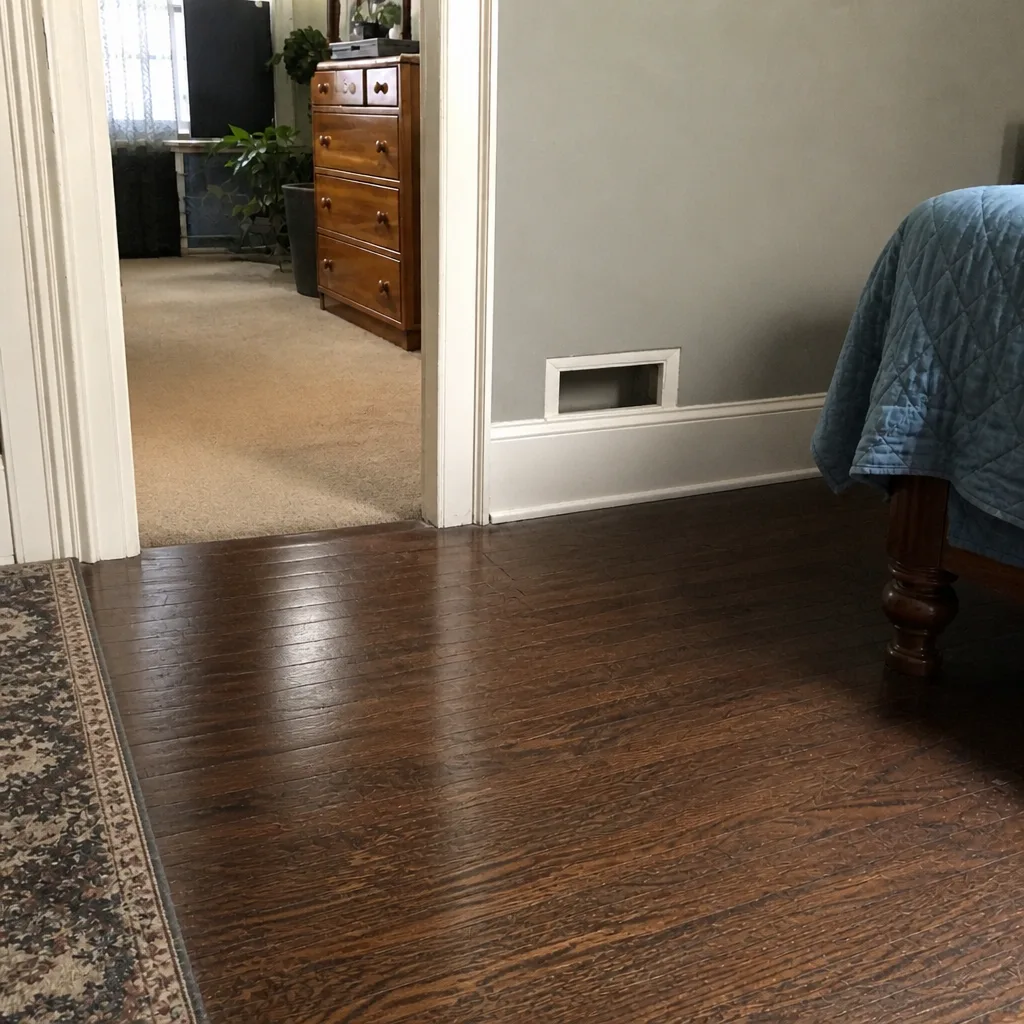 After
 Before
 After
Common Mistakes to Avoid
- Choosing on the logo alone. A familiar franchise name in Mayfair may belong to a local operator whose equipment and training have little to do with the national standard. Ask what’s actually coming to the house.
- Not asking the machine type. Vacuum-only cleaning leaves the duct walls untouched, and a low quote often reflects exactly that. Ask whether the cleaning is contact-based.
- Letting the price be set on site. A teaser number that grows into a larger invoice is the most common complaint in this trade. One flat price per system, agreed before work starts, closes that door.
- Skipping the containment question. Cleaning without negative pressure or HEPA capture recirculates what it loosens. It’s the one specification a franchise name never reveals.
- Accepting a clean-only scope on a damaged system. If the ducts leak or a run is torn, cleaning alone leaves the problem in place. Repair and sealing belong in the same engagement.
- Not asking for before-and-after photos. Without photos of your own ducts, you have no way to verify the work happened as described. Ask before booking.
- Forgetting the dryer vent. It’s a separate system with its own fire-safety role, and a company that handles it as a discrete service is showing the full range of its ventilation capability.
When to Call a Professional
Call when you notice the signs the ducts are overdue: allergy flare-ups that track with time spent indoors, inconsistent airflow between rooms, a rise in energy bills with no other explanation, or a system that hasn’t been serviced in years. Call when you see visible dust streaking at the registers or can smell stale air when the fan kicks on. Call when a technician finds leaks or damage during a cleaning, because sealing and repair are part of the same job and separating them costs more in the long run. And call before the season changes if the system’s performance has been drifting, since it’s easier to inspect and clean a system than to chase comfort problems once the weather turns. Air Duct Cleaning Mayfair offers free estimates in Mayfair, so the first call costs you nothing but the conversation.
Frequently Asked Questions
Ask three specific questions: which machine is coming and what its airflow rating is, whether the cleaning is contact-based or vacuum-only, and whether the company does duct repair and sealing or refers it out. A qualified company answers all three without hesitation and can show you before-and-after photos of previous jobs. The brand name on the van is the least useful signal of the three.
Neither is automatically better, but they fail differently. A national franchise in Mayfair is typically an independently-owned location, so equipment and training can vary from one location to the next regardless of the parent brand. An independent’s capability is fully visible and directly accountable. In both cases, judge the equipment specification, the documented process and the service scope, not the logo.
Cheap quotes usually reflect one of three things: vacuum-only cleaning with no contact agitation, no containment equipment, or a teaser price that grows once the technician is on site. A real full-system cleaning involves the machine, the containment, the technician’s time and the repair work. If a quote is far below the others, ask what it leaves out. Call (888) 611-5717 for an exact quote – estimates are free.
Pricing depends on the size of the system, how many runs it has, how much debris has built up, and whether repair or sealing is needed. We set one flat price per system with a written estimate before any work starts, and there’s no per-vent pricing to inflate the bill halfway through. Call (888) 611-5717 for an exact quote – estimates are free.
NADCA certification exists at two levels: company-level certification, which means the business has met the association’s requirements for its process and equipment, and technician-level certification, which means an individual passed an exam. Ask which one a company holds and whether its certified technician works every job. A company that has built its process around contact-based cleaning and containment, using Rotobrush and Abatement Technologies equipment, is demonstrating the standard in practice.
Before-and-after photos of your own ducts, a written summary of what was found and what was done, and a clear change in airflow at the registers are the three things you can verify directly. Ask for the photos up front. A company that documents its work is inviting you to check, which is exactly the accountability you want. Call (888) 611-5717 for an exact quote – estimates are free.
Most homes need it every few years at most, and some go much longer, but the trigger is condition rather than a calendar. Visible dust at registers, inconsistent airflow, allergy symptoms that follow time indoors, or a system that hasn’t been serviced in years all point to a cleaning being due. A home with new construction dust, pets, or recent renovation needs it sooner. Call (888) 611-5717 for an exact quote – estimates are free.
The Bottom Line
In Mayfair, the brand that deserves your business is the one that shows its equipment specification, explains its cleaning method in mechanical terms, understands the idea of containment, and offers repair and sealing under the same call. The franchise badge is a marketing layer. The CFM rating, the contact-based cleaning method and the scope are the substance. We exist to give that substance a clear process: professional-grade equipment, source-removal cleaning, and air-quality upgrades from Honeywell and Aprilaire once the ducts are clean. One flat price per system, agreed before work starts. Call (888) 611-5717 for a free estimate. We answer 24/7. Fast dispatch from 7am to 7pm, Sunday through Friday.
Written by the team at Air Duct Cleaning Mayfair.