
Last updated November 25, 2026
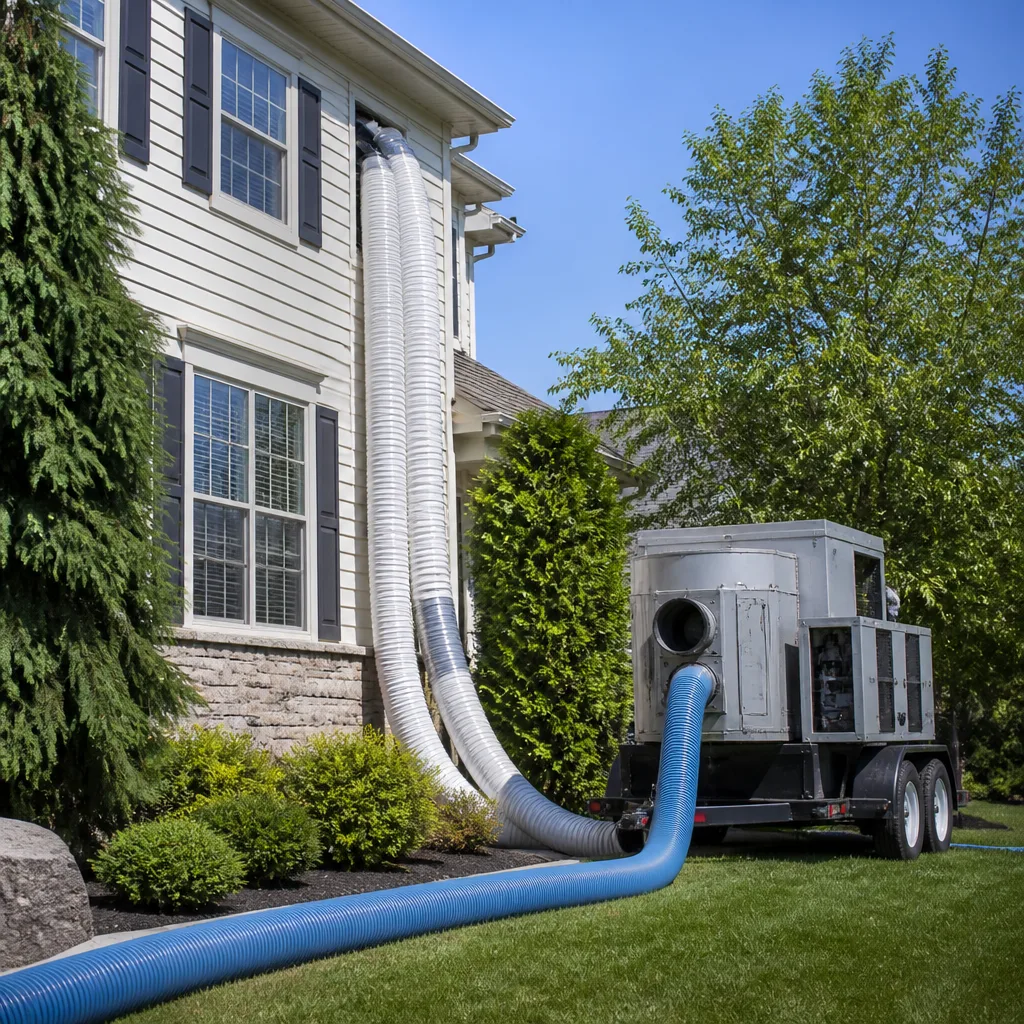 Whole-home duct cleaning
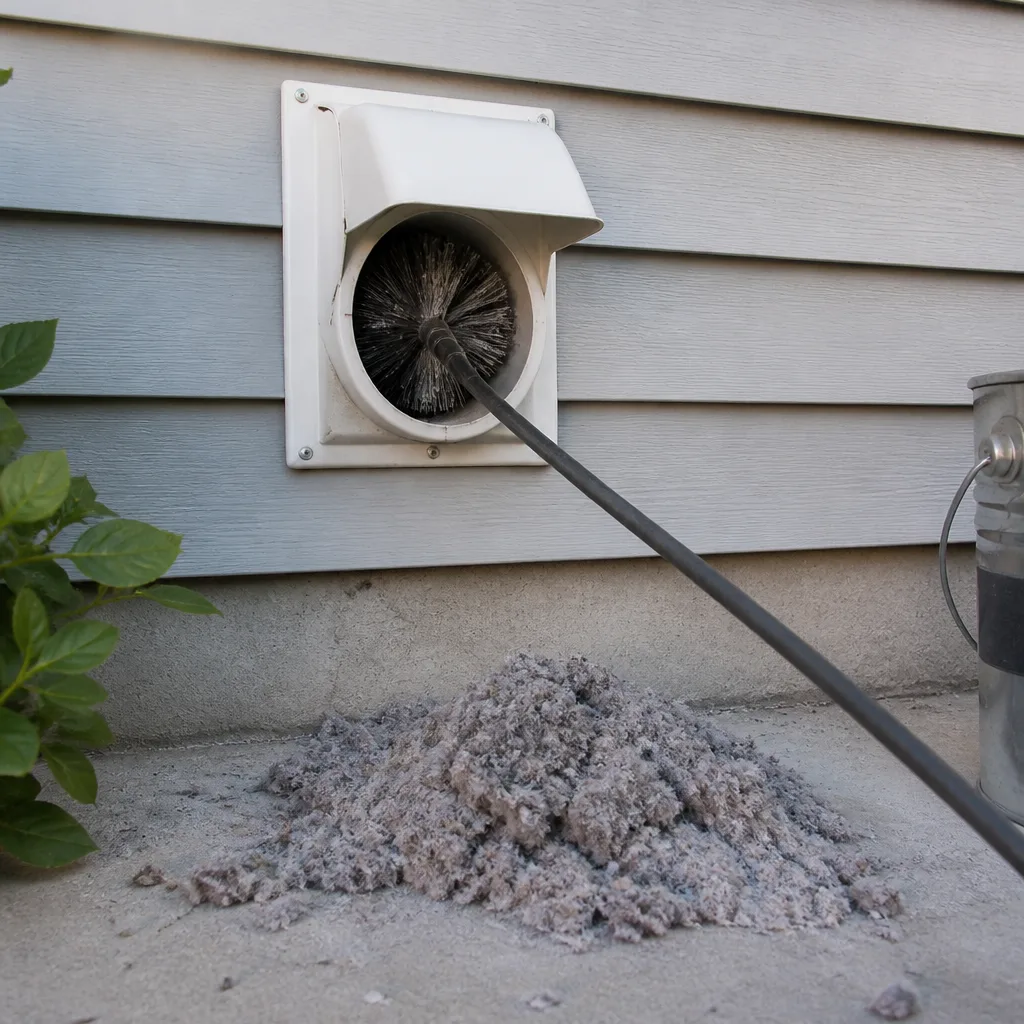 Dryer vent cleaning
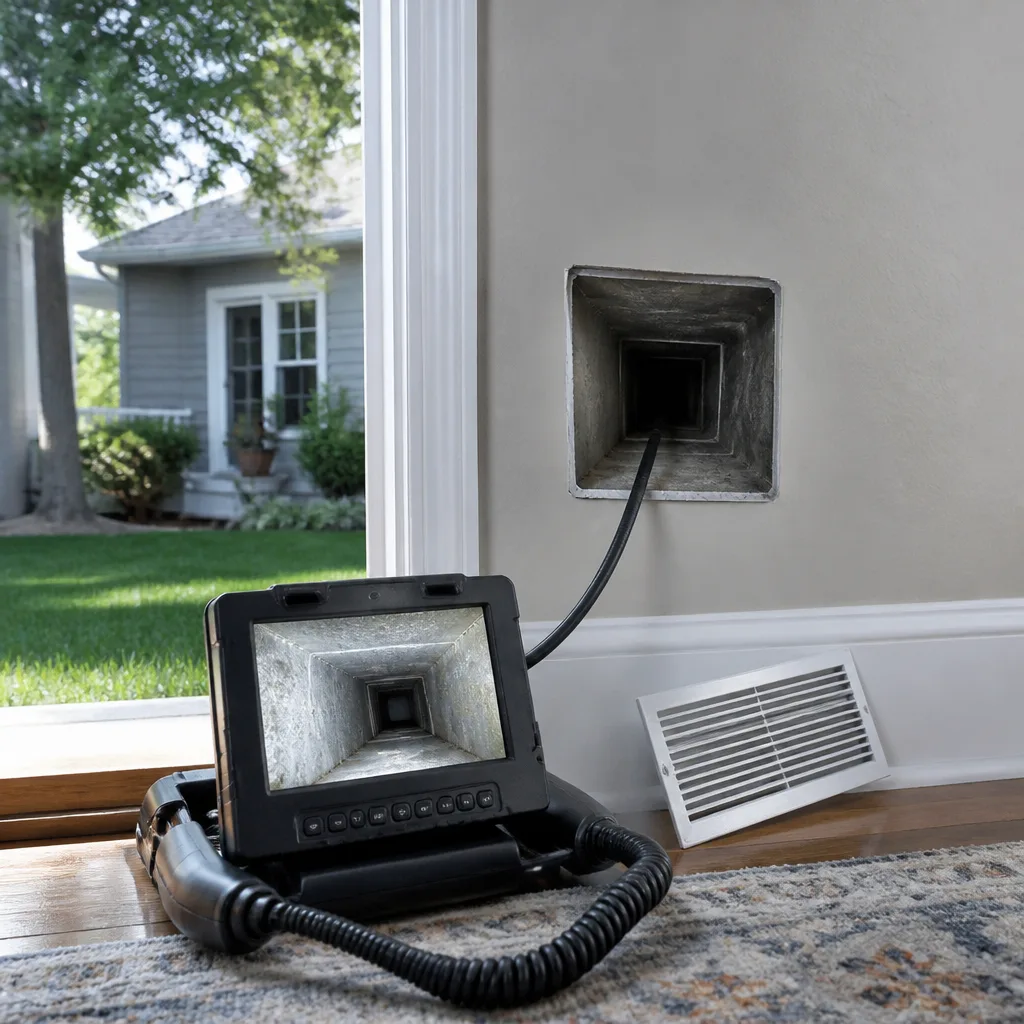 Camera inspection
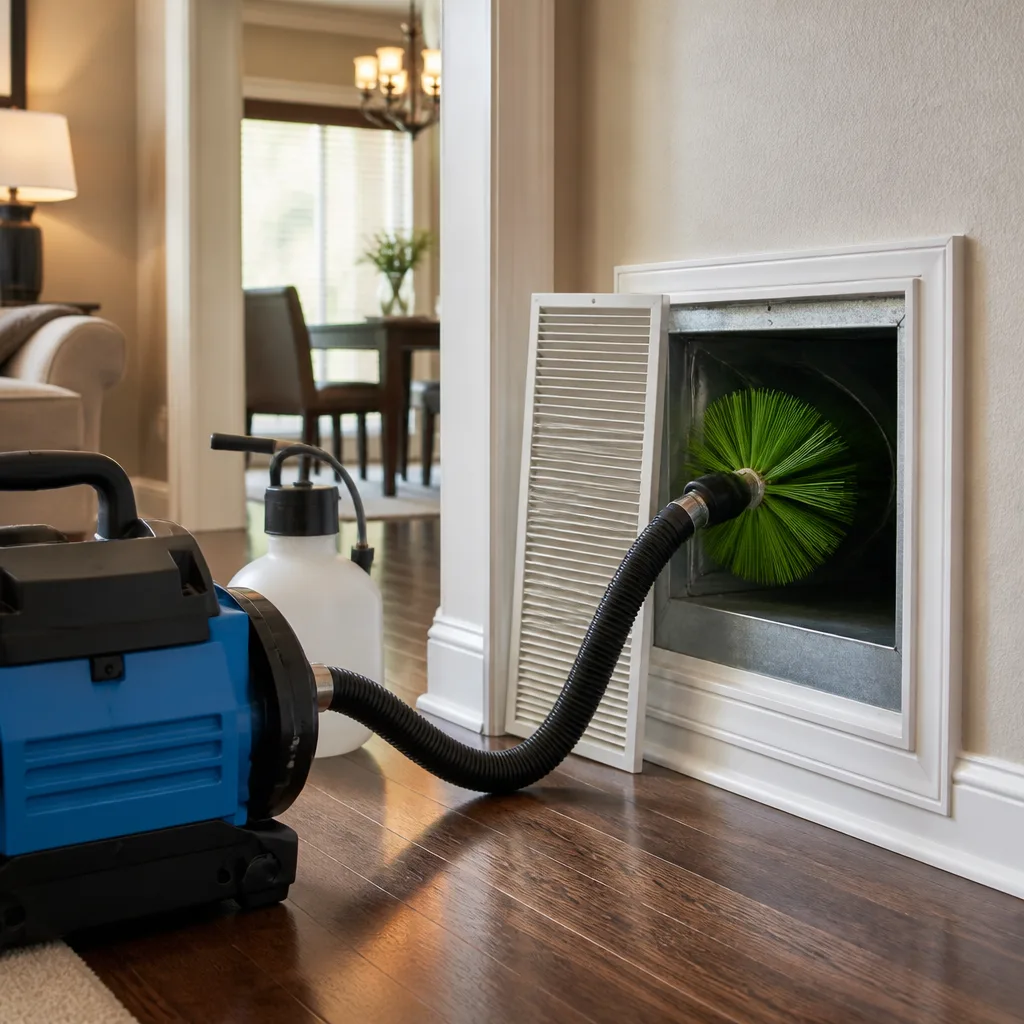 Sanitizing & deodorizing
Whole-system duct and dryer vent check with before-and-after photos - you see exactly what came out of your vents
That "$99 whole-house special" is a bait ad - the real number appears once they are in your hallway, or the "clean" is a shop-vac at the register. We photograph the inside of your ducts before and after instead.
Seasonal Air Duct Cleaning Care for Mayfair: Year-Round Homeowner’s Guide
The advice to clean your ducts once a year was written for a generic American house. Mayfair doesn’t have a generic climate. We get humid summers that push indoor moisture past the point where biological growth takes hold, and we get long heating seasons where the furnace runs hard and pulls combustion byproducts and settled dust back into the air you’re breathing. That’s two separate contamination cycles, not one, and a single annual cleaning will always miss one of them. This guide walks through what actually loads up your ductwork in each season here, how to read the signs, and how to build a simple observation log that makes every professional visit more targeted. By the end you’ll know what to watch for in spring, summer, fall, and winter in Mayfair, and when it’s time to call someone.
Quick Answer
Air ducts in Mayfair need attention on a seasonal rhythm, not a once-a-year calendar reminder. Spring is when outdoor pollen gets pulled in through return-air leaks, summer is when humidity above 60% feeds biological growth inside duct liner, fall is when heating startup pushes combustion particulates through the system, and winter is when closed windows and reduced fresh-air exchange concentrate everything that’s already there. A full professional cleaning once a year, timed to late summer or early fall, catches most of it, and a fourteen-point visual check each season catches what a single sweep would miss.
Styles & brands we work with
- Whole-home duct cleaning
- Dryer vent cleaning
- Camera inspection
- Sanitizing & deodorizing
Table of Contents
- Why Mayfair’s Climate Splits the Year Into Two Contamination Cycles
- Spring: Pollen Infiltration and Return-Air Leaks
- Summer: Humidity, Liner Growth, and the 60% Threshold
- Fall: Heating Startup and Pre-Season Cleaning Timing
- Winter: Static Pressure, Closed Windows, and Filter Ratings
- Building a 12-Month Observation Log
- What Full-System Cleaning Actually Involves
- Duct Repair and Sealing: Fixing What Cleaning Reveals
Why Mayfair’s Climate Splits the Year Into Two Contamination Cycles
Most duct cleaning advice you’ll find online assumes a mild climate with a single heavy season. Mayfair sits in a part of Pennsylvania where the swing between summer and winter is wide enough that the inside of your ductwork goes through two distinct phases each year. In the warm months, moisture is the driver. In the cold months, combustion and closed-house conditions are the driver. Those two phases load the system differently, and they respond to different interventions.
Here’s the practical consequence: if you clean in spring, you miss the summer moisture cycle entirely and you’re going into fall with a system that’s had months of humidity working on it. If you clean in fall, you get the system reset before the heating season, but you go into spring carrying whatever the furnace pushed through over the winter. There’s no perfect single date, which is why we recommend an annual professional cleaning timed for late summer or early fall, plus light seasonal attention in between.
We use professional-grade equipment on every job, and the reason matters. A shop vacuum at the register pulls surface dust and leaves the settled material on the duct floor and the growth on the liner. Source-removal cleaning means physically agitating the debris with a rotary brush and extracting it under negative pressure, which is what Rotobrush contact-cleaning systems are built to do. That distinction is the whole ballgame when you’re dealing with two contamination cycles instead of one.
Spring: Pollen Infiltration and Return-Air Leaks
Spring in Mayfair means tree pollen, and tree pollen is small enough to ride in on the return-air side of your HVAC system. The key question isn’t whether pollen gets in. It’s where the leaks are that let it in without passing through your filter first.
Your return-air ducts run at negative pressure relative to the rooms they serve. That means any gap, loose joint, or failed tape at a return boot acts like a small vacuum, pulling unconditioned air from a crawlspace, an attic, or a wall cavity straight into the return trunk. In April and May, that unconditioned air is carrying pollen. The filter catches what comes through the return grille, but it can’t catch what’s being drawn in downstream of the filter.
What to check in spring:
- Return boots and joints. Look for gaps where the boot meets the floor or wall, and for tape that’s peeling or brittle. Air leaking in at these spots bypasses filtration.
- Filter fit. A filter that’s a quarter-inch undersized lets air around the edges. That air carries whatever’s in the return plenum.
- Visible dust trails. Faint dark streaks around a register or boot are a sign of air moving where it shouldn’t.
- Coil access panels. Loose panels at the air handler let unfiltered air into the airstream.
Spring is also the best time to have a technician check the supply side for leaks you can’t see. Sealing a handful of return-air gaps in April keeps a meaningful amount of pollen out of the system before the summer humidity arrives. If you’re already scheduling air duct cleaning for later in the year, ask them to note leak locations during the visit so you have a list to work from.
Summer: Humidity, Liner Growth, and the 60% Threshold
Mayfair summers regularly push indoor relative humidity above 60%, and 60% is the number to remember. Above that threshold, biological growth becomes likely inside flex-duct liner, on evaporator coil surfaces, and in any duct section that runs through unconditioned space. Below it, growth is much less likely. The threshold is the whole reason summer gets its own entry in this guide.
You can read humidity with an inexpensive hygrometer placed in a central room. Check it on a hot afternoon in July, not in the morning when the house is still cool from overnight. If you’re consistently seeing 60% or higher, the air conditioning is running but not removing enough moisture, and everything downstream of the coil is in a growth-friendly environment.
There are three reasons a Mayfair house ends up above 60%:
- Oversized air conditioning. A system sized for the hottest day of the year short-cycles the rest of the season and never runs long enough to pull moisture out.
- Duct leakage in unconditioned space. A supply duct leaking into a hot attic loses cold air before it reaches the room, and the system has to run longer to compensate. That’s a comfort problem and a moisture problem at once.
- No dedicated humidity control. Standard air conditioning removes some moisture as a byproduct of cooling, but it isn’t a dehumidifier. In a humid summer, that difference shows up in the liner.
We stock and install Honeywell and Aprilaire air-quality products, and whole-house humidity control is one of the reasons. Cleaning a duct system that’s been running above 60% all summer is only half the job if you put the system back into the same conditions. The right humidity product keeps the liner dry between cleanings. Clean ducts are only the start when moisture is the underlying cause.
Fall: Heating Startup and Pre-Season Cleaning Timing
The first cold snap of the year turns on furnaces across Mayfair that have been idle since spring, and that first startup pushes a season’s worth of settled dust and combustion byproducts through the system and into the rooms. Oil-fired equipment in particular produces soot and sulfur compounds on startup, and gas equipment can produce a light dust burn-off. Both end up in the airstream on the first cold morning.
This is why timing matters. Cleaning in September, before the furnace goes on for the season, means the system is clear when the first startup happens. Cleaning in November, after the furnace has already run for two weeks, means you’ve already pushed the startup material into the living space.
Pre-season fall work looks like this:
- Change the filter before the first heating cycle. A filter that’s been sitting since spring is loaded and restricted.
- Schedule the annual cleaning for late August or September. That gets the system clean before the heating season and after the summer humidity cycle has run its course.
- Have the air handler cleaned, not just the ducts. Source-removal cleaning on the blower compartment and coil is where the startup material actually lands.
- Check for rust and moisture at the coil. A wet coil at the end of summer is a signal that humidity control needs work before heating season.
If you have oil heat, the fall cleaning is more important, not less. Soot deposits in the ductwork and on the coil compartment are what a technician using Nikro professional HVAC equipment is set up to remove at the source. If you’re running gas, the startup material is lighter but the mechanical case for pre-season cleaning is the same.
Winter: Static Pressure, Closed Windows, and Filter Ratings
Winter in Mayfair is when the house closes up. Windows stay shut for months, fresh-air exchange drops, and every particle that’s already inside stays inside. Add a furnace running continuously and you get a house where the same air is recirculated dozens of times a day. What’s in the ducts is what’s in your rooms.
The other winter issue is static pressure. Cold outdoor air is dense, and a heating system working against a closed house runs at slightly higher static pressure than it does in summer. A duct system with leaks or undersized returns handles that pressure poorly. The symptom homeowners notice is uneven heat: rooms far from the air handler stay cooler, the furnace runs longer, and the system works harder than it should.
Filter choice matters more in winter than any other season. A few principles:
- Higher MERV isn’t automatically better. A MERV 13 filter captures fine particles well, but it also restricts airflow more than a MERV 8. On an older system with tight return capacity, the higher rating can raise static pressure enough to hurt performance.
- Match the filter to the system, not to the marketing. Your air handler’s rated filter capacity is the ceiling. Going above it costs airflow.
- Change more often in winter. With the house closed, the filter loads faster than it does in a season when windows are open.
- Seal the filter slot. Unfiltered air around the edges of the filter is air the system never cleans.
Winter is also the season for a visual walkthrough of the supply registers. If you find more dust on the register vanes in January than you do in July, the system is telling you where the pressure problem is. We can diagnose the duct leakage causing that, and we’ll repair it in the same visit rather than referring it out.
Building a 12-Month Observation Log
A simple log makes the next professional cleaning faster and more targeted. The idea is to record what you observe at the register and in the rooms, plus the date and the weather. Twelve months of that gives a technician a map of what’s happening in each season and where.
Here’s how to build one in about ten minutes a month:
- Pick a fixed monthly date. The first weekend of each month is easy to remember.
- Record the outdoor temperature and humidity. A phone weather app is fine. Note whether the heat or the AC is running.
- Look at three registers. One closest to the air handler, one farthest, one in a room you use most. Note dust on the vanes and any dark streaks around the boot.
- Check the filter. Note the date and whether it’s visibly loaded. Don’t guess at remaining life; replace when it’s loaded.
- Note allergy or airflow complaints. A one-line entry (“second bedroom colder than usual,” “woke up congested three mornings this week”) is enough. Patterns matter more than any single entry.
- Photograph anything unusual. A picture of a dust trail or a discolored register is the single most useful thing you can hand a technician.
When you book Air Duct Cleaning Mayfair, bring the log. A technician who knows which rooms got worse in July and which got worse in January can focus the cleaning on the sections that loaded up. That’s how you keep the job targeted instead of generic.
What Full-System Cleaning Actually Involves
Most people assume duct cleaning is a truck-mounted vacuum at the main trunk and a camera check. That’s part of it, but it doesn’t remove what’s adhered to the duct walls or settled into the liner. Full-system source-removal cleaning means agitating the material where it sits and extracting it under containment.
What our process includes on a typical Mayfair home:
- Containment first. We set up Abatement Technologies negative-air machines to keep dislodged particulates from recirculating into occupied rooms during the job. This is the same class of equipment used in remediation work, applied here to keep the cleaning contained.
- Contact cleaning on the duct runs. Rotobrush rotary-brush systems agitate the debris off the duct walls while extraction pulls it out. This is the equipment specified by NADCA-trained contractors.
- Source-removal cleaning on the air handler. Nikro professional HVAC equipment is what we use on the blower compartment and coil cabinet, where fine particulate tends to settle and combine.
- Register and grille cleaning. Every supply and return cover comes off, gets washed, and goes back on.
- Sanitizing and finishing. Guardsman-grade surface protection is applied as part of the sanitizing step.
- A written summary of what we found. Leaks, damaged flex-duct runs, and filter condition all get documented so you have a repair list.
We can also handle HVAC cleaning for the mechanical side in the same visit, so the ducts and the equipment aren’t cleaned on separate schedules. And dryer vent cleaning is on the same call if the vent hasn’t been done. One visit covers the whole ventilation system rather than one piece of it.
Duct Repair and Sealing: Fixing What Cleaning Reveals
Cleaning reveals what was hidden. In a Mayfair home, that usually means a handful of disconnected flex-duct runs, a boot that’s separated from the subfloor, or tape that’s failed at a joint. Cleaning alone doesn’t fix these. Air keeps leaking in, dust keeps loading up, and the cycle repeats.
We offer duct repair and sealing as a native service, which means we diagnose and fix leaks in the same visit that we clean. A competitor who only cleans has to refer the repair out, and the homeowner ends up coordinating two contractors and two schedules. If the leak is at a return boot, we fix it. If a flex-duct run has collapsed or is kinked at a joist, we replace it. If a trunk-joint has separated, we re-seal it. The cleaning removes the debris; the sealing keeps it from coming back.
This matters most in the seasonal damage cases. A return boot that’s been leaking since spring is drawing hot attic air in summer and cold attic air in winter, and both are loading the system faster than it would if the seal were intact. Fixing it once takes the seasonal variation out of the equation.
Common Mistakes to Avoid
- Scheduling one annual cleaning and calling it done. One visit catches one of Mayfair’s two contamination cycles. Add a spring and winter visual check to the calendar even if you clean once a year.
- Choosing the lowest quote without knowing the equipment. A shop vac and a rotating whip at the trunk is not source-removal cleaning. Ask what equipment gets used, and specifically whether it’s rotary-brush contact cleaning and negative-air containment.
- Skipping the air handler. Ducts without the coil and blower compartment cleaned are only half done. Settled material on the coil is what recirculates into the ductwork in every season.
- Cleaning in the middle of summer without addressing humidity. If the house runs above 60% in July, clean in late summer and fix the humidity before the next warm season, or you’ll be cleaning the same growth again.
- Assuming a higher MERV filter is always better. On a system with tight return capacity, a MERV 13 can raise static pressure and hurt airflow more than the added filtration helps.
- Letting leaks go because the clean ducts look fine. A cleaned system with a return-boot leak re-loads in weeks. Repair the leak in the same visit.
- Treating dryer vent cleaning as an afterthought. The dryer vent is part of your ventilation system and it’s the fire-safety piece. It doesn’t get done by a duct-cleaning visit unless you ask for it.
See the difference
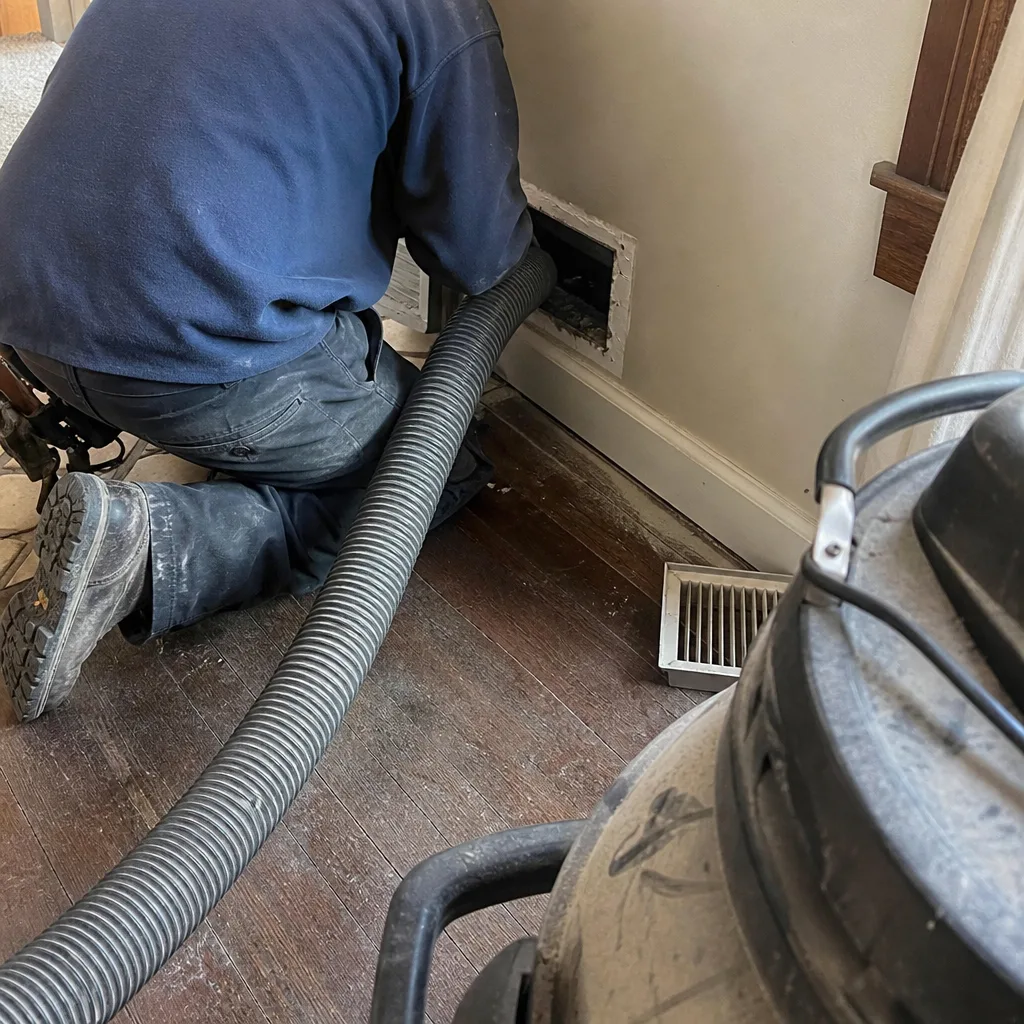 Before
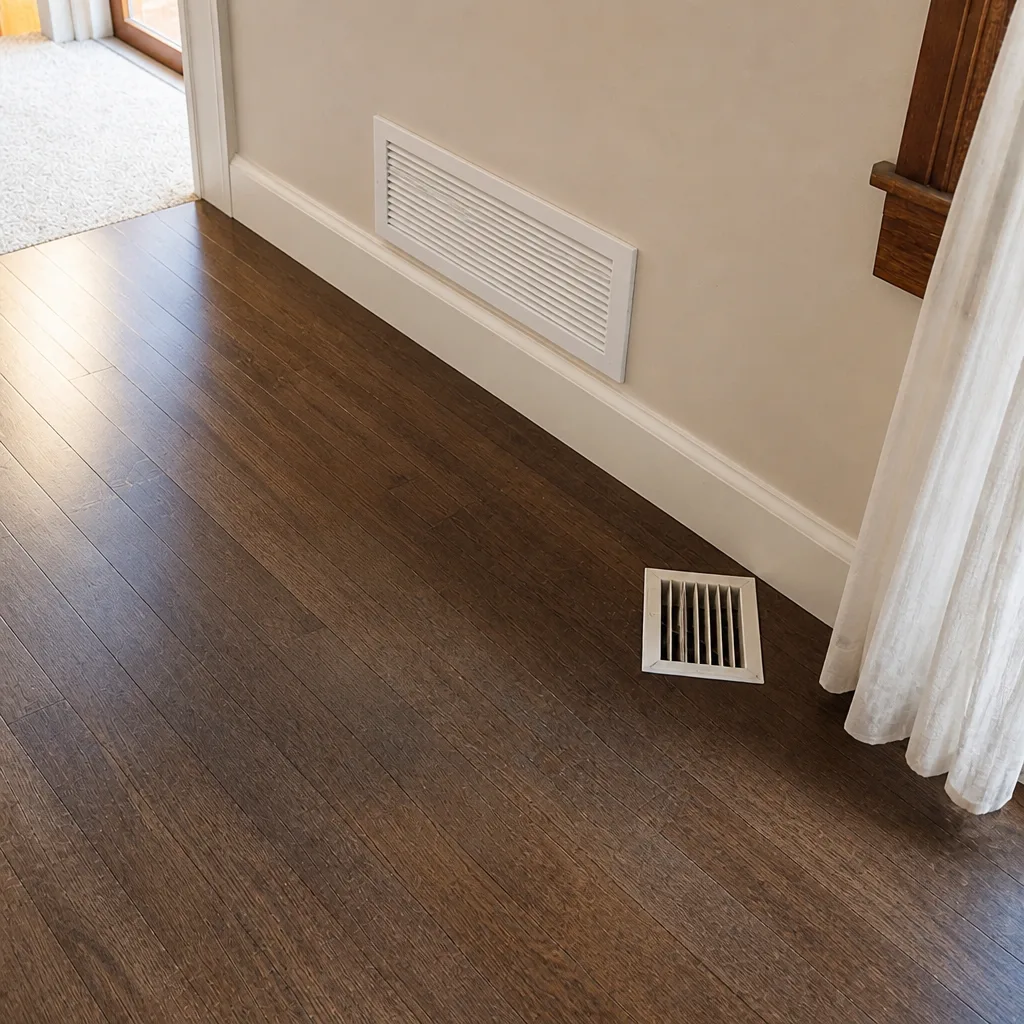 After
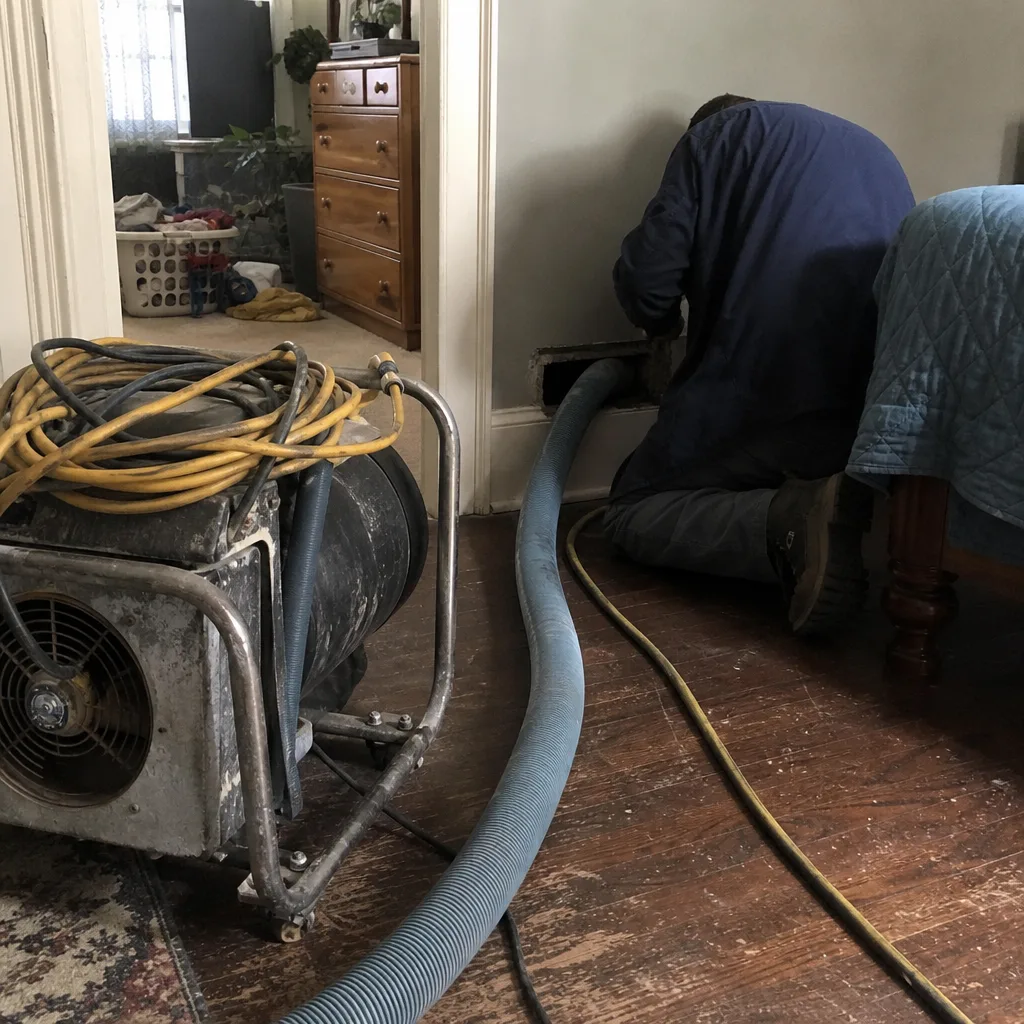 Before
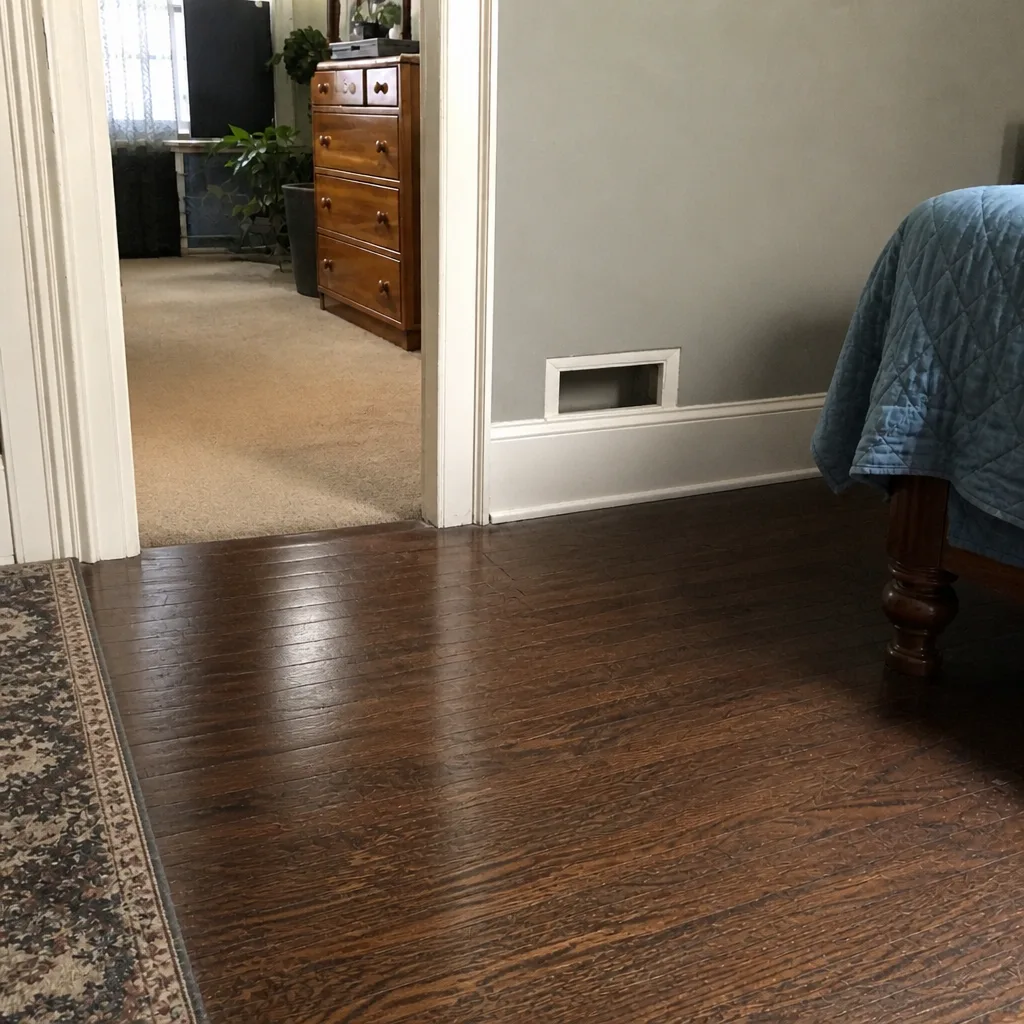 After
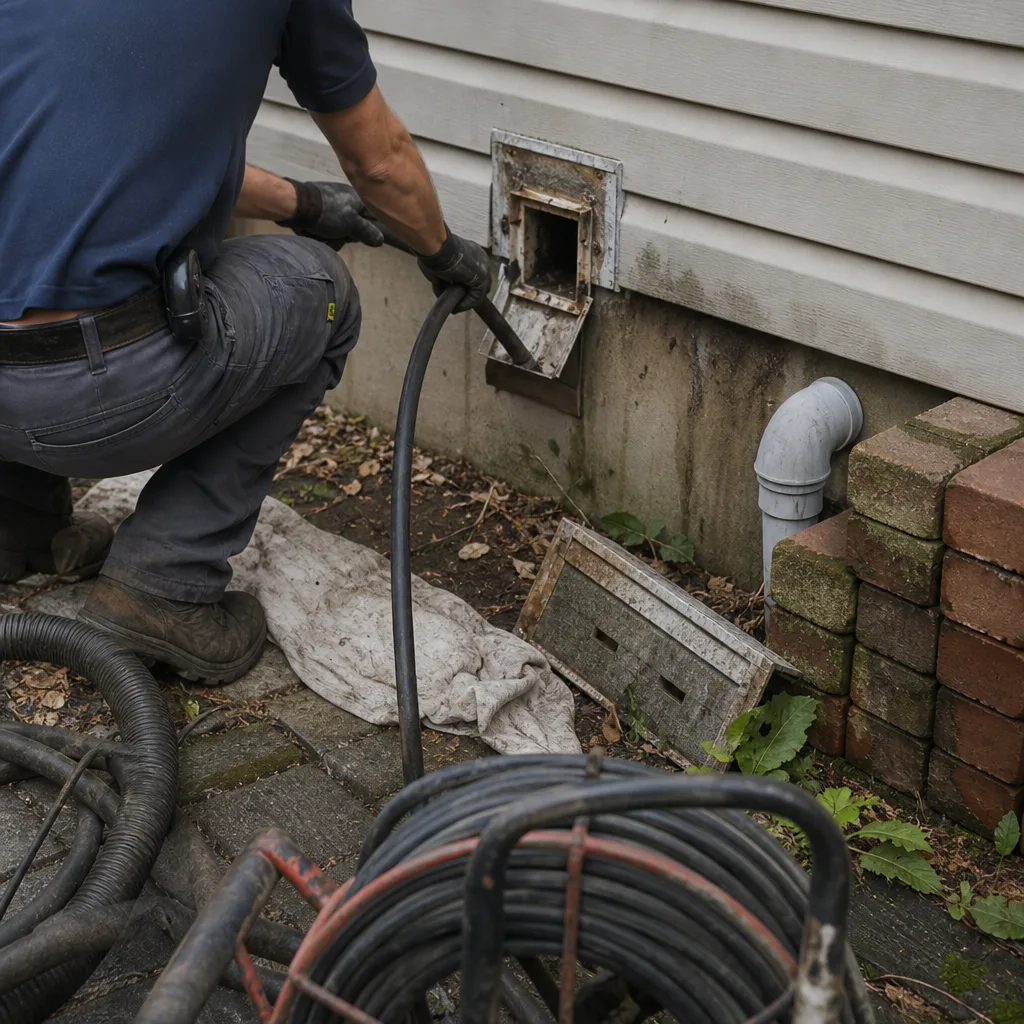 Before
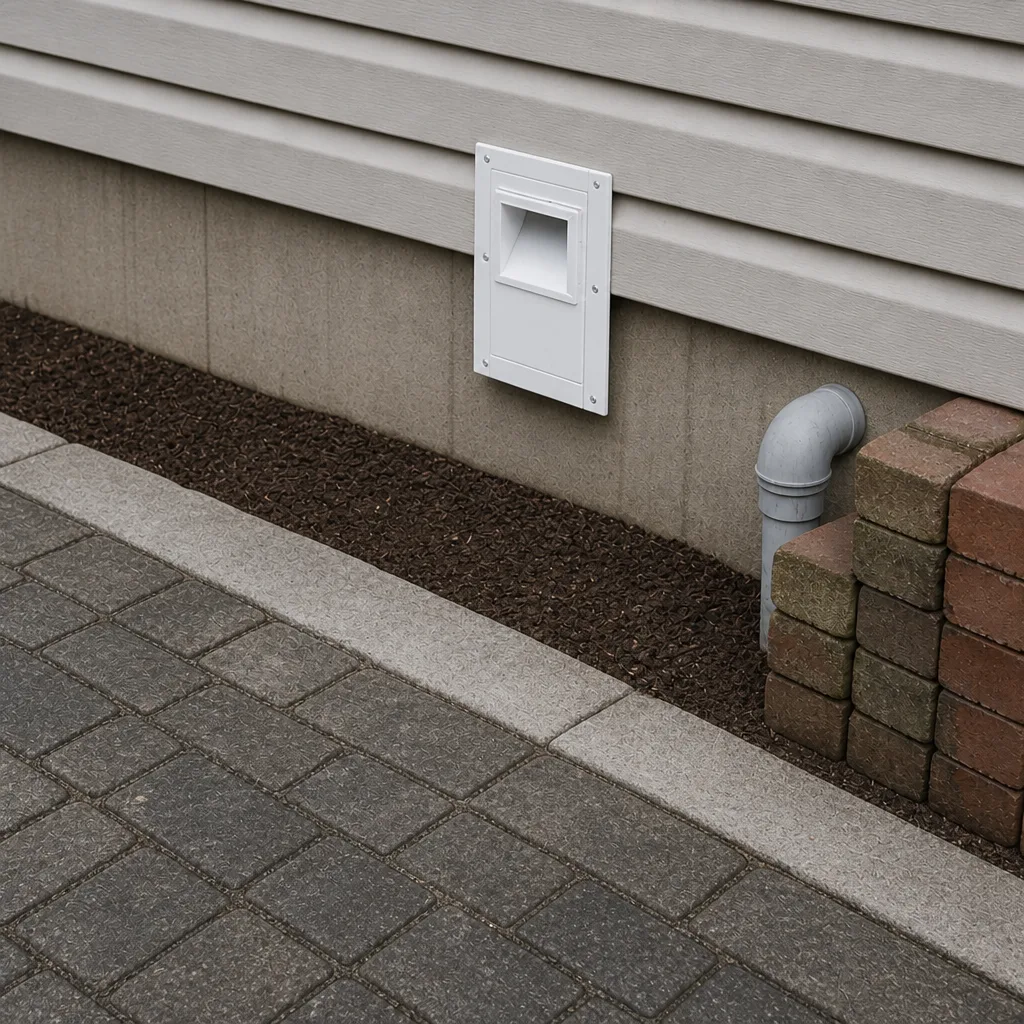 After
When to Call a Professional
Some seasonal work is a filter change and a visual check. Some of it needs a technician with the right equipment. Call us when you notice persistent allergy symptoms in the house that don’t track to the outdoor pollen calendar, when rooms are consistently hotter or colder than the rest of the house, when dust reappears on the registers within a week of cleaning, or when you’ve never had the ducts serviced and you can’t tell when or if they ever were. A humidity reading that stays above 60% through summer is a good signal too. Air Duct Cleaning Mayfair offers free estimates in Mayfair: call (888) 611-5717. We answer 24/7. Fast dispatch from 7am to 7pm, Sunday through Friday.
Frequently Asked Questions
Once a year for most homes, timed for late summer or early fall so it lands before the heating season and after the summer humidity cycle. If anyone in the house has respiratory sensitivities or the house has run above 60% humidity through the summer, twice a year is reasonable. Call (888) 611-5717 for an exact quote based on your system; estimates are free.
Under 60% is the number to aim for. Above 60% inside flex-duct liner, biological growth becomes likely, and that’s when summer cleaning needs to be paired with a humidity fix rather than treated as a standalone job. Call (888) 611-5717 to have a technician check the system.
The first heating startup of the season pushes settled dust and combustion byproducts through the system. That’s why cleaning in September, before the furnace runs, is more effective than cleaning after the first cold snap. Call (888) 611-5717 to get on the schedule before heating season.
Not automatically. Winter concentrates indoor particles because the house is closed, but a higher MERV rating also restricts airflow. Match the filter to your air handler’s rated capacity rather than going as high as the shelf offers. Call (888) 611-5717 if you’re not sure what your system is rated for; we’ll help you work it out during the estimate.
No, not effectively. A shop vacuum pulls surface dust at the register and leaves the material adhered to the duct walls and liner. Source-removal cleaning requires rotary-brush agitation and negative-pressure extraction, which is what professional equipment is built for. Call (888) 611-5717 for a proper full-system cleaning quote.
Contact cleaning on the duct runs, source-removal cleaning at the air handler and coil, negative-air containment during the job, register washing, sanitizing, and a written repair list. A low quote that covers only a trunk sweep at the main line skips most of that. Call (888) 611-5717 for a written estimate that lists what’s actually included.
The Bottom Line
Mayfair’s year splits into two contamination cycles, not one: a humid summer that feeds growth in the liner and a heating season that pushes combustion particulates and settled dust through the system. One cleaning a year catches most of it if it lands at the right time, and that time is late summer or early fall. Seasonal visual checks in spring and winter catch the rest. Fix the return-air leaks you find so you’re not cleaning the same problem twice. If you’re ready to schedule a full-system cleaning, Air Duct Cleaning Mayfair offers free estimates: call (888) 611-5717. We answer 24/7. Fast dispatch from 7am to 7pm, Sunday through Friday.
Written by the team at Air Duct Cleaning Mayfair.