
Last updated November 25, 2026
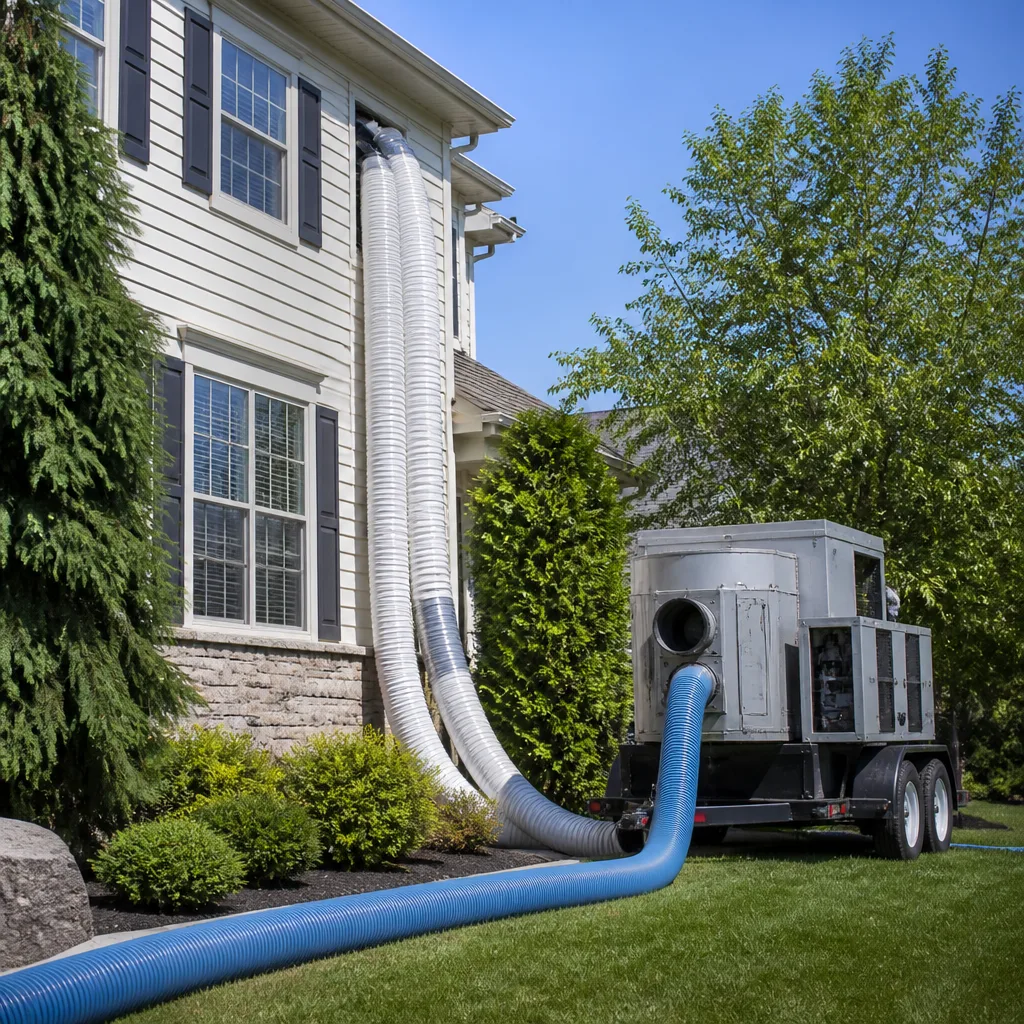 Whole-home duct cleaning
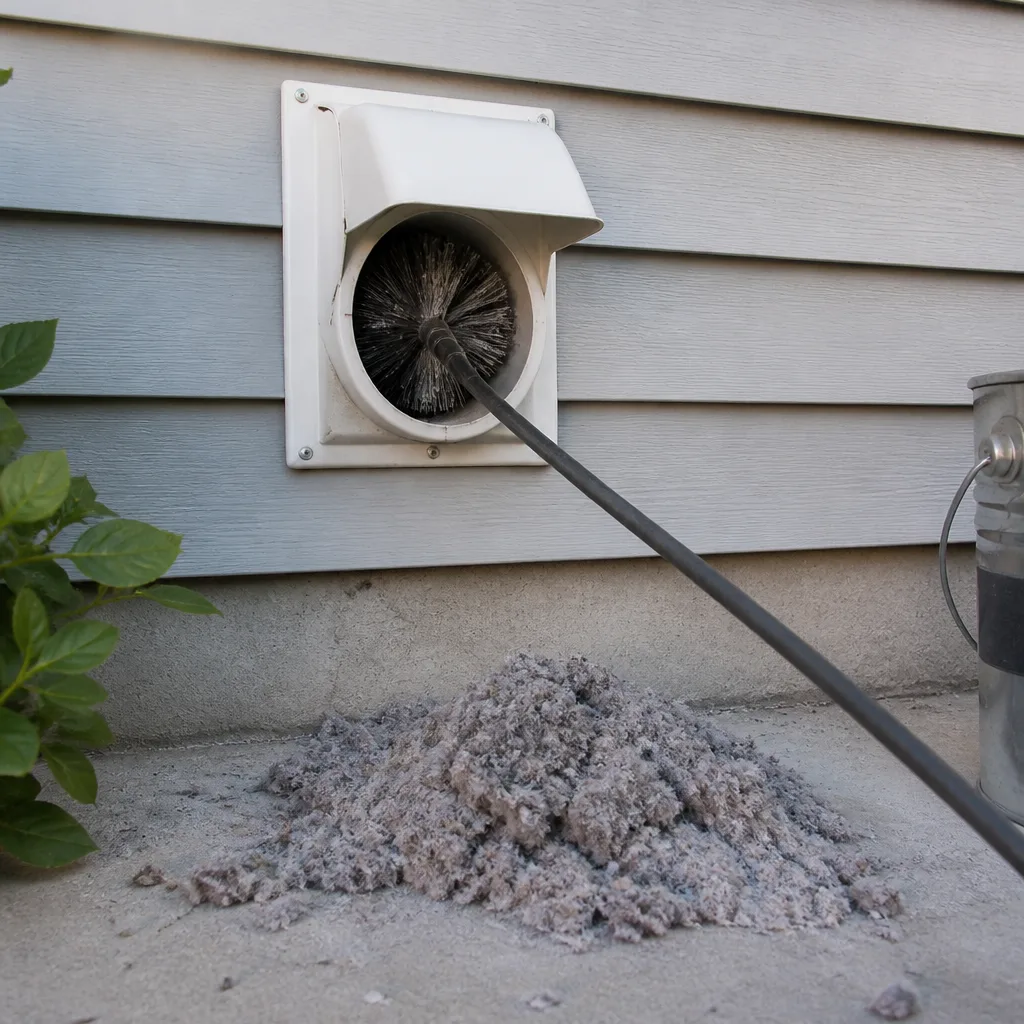 Dryer vent cleaning
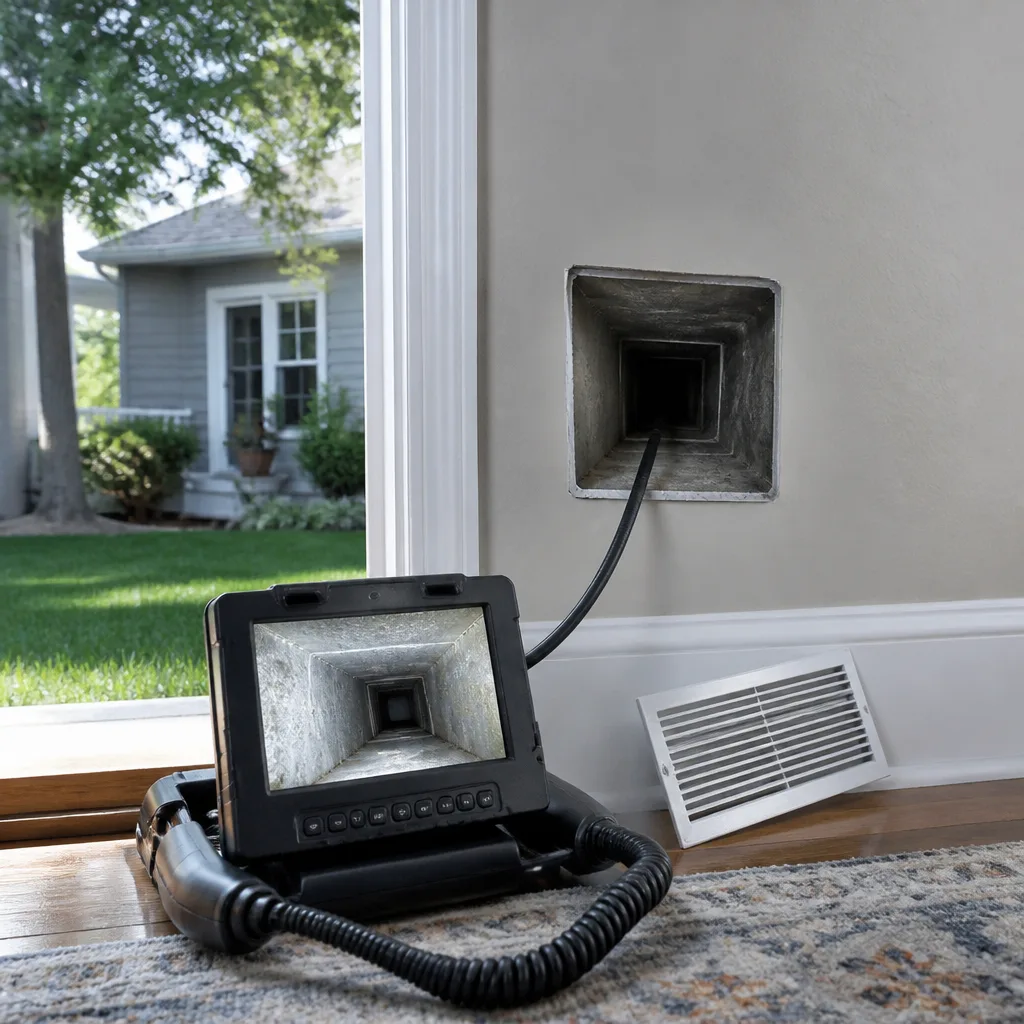 Camera inspection
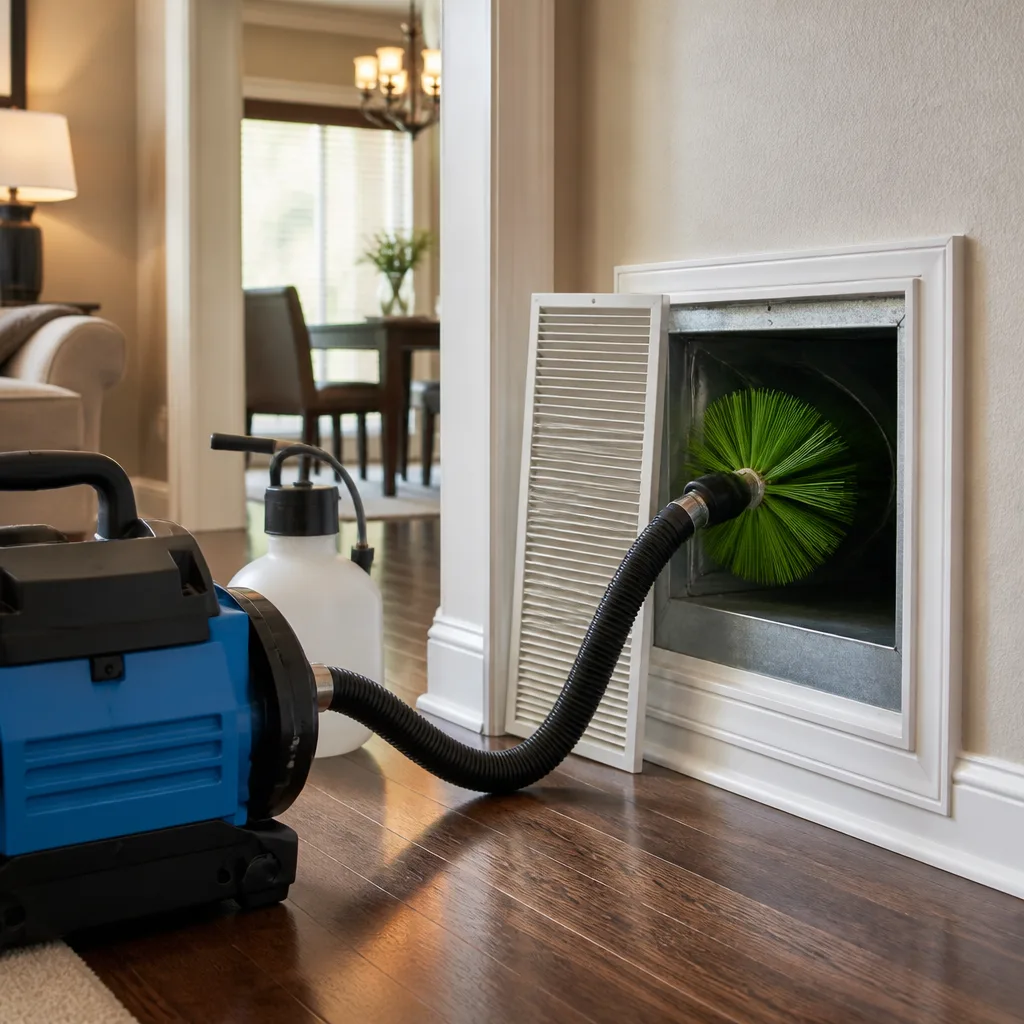 Sanitizing & deodorizing
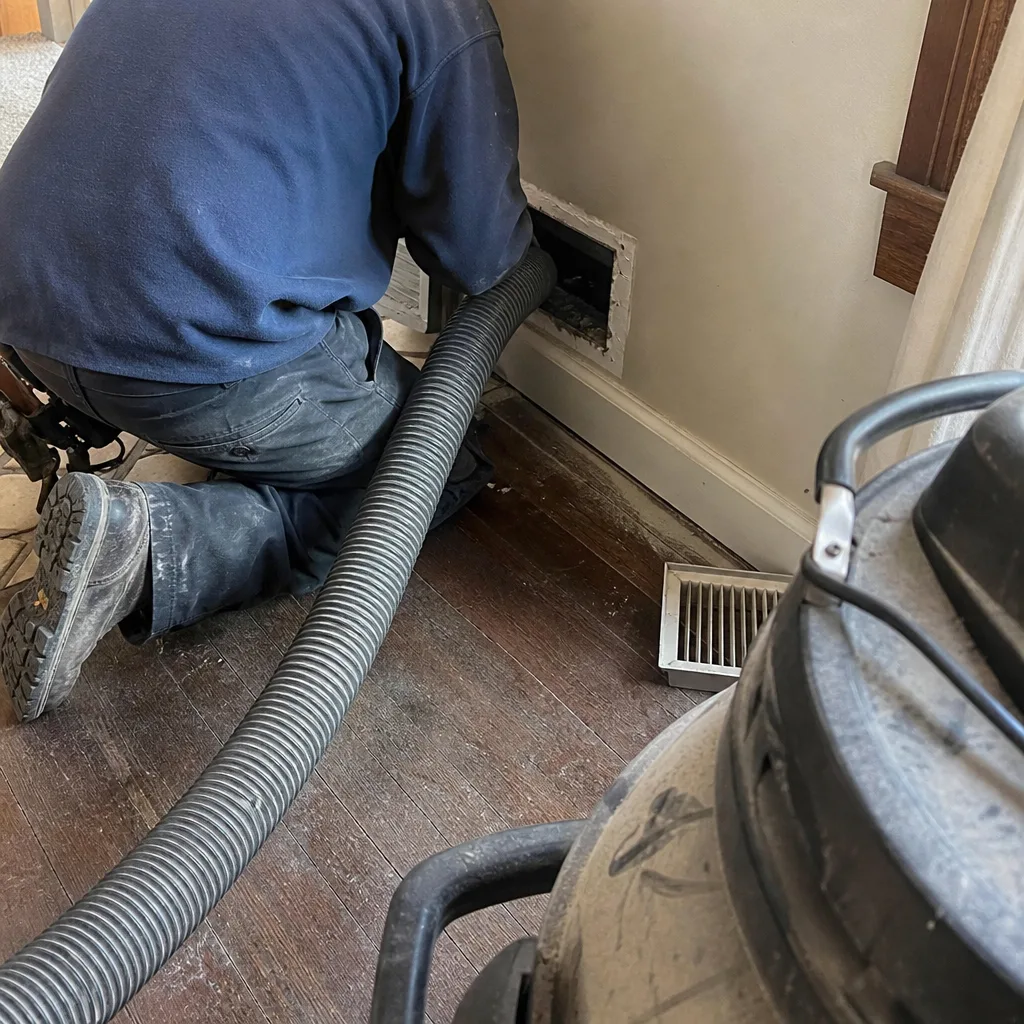
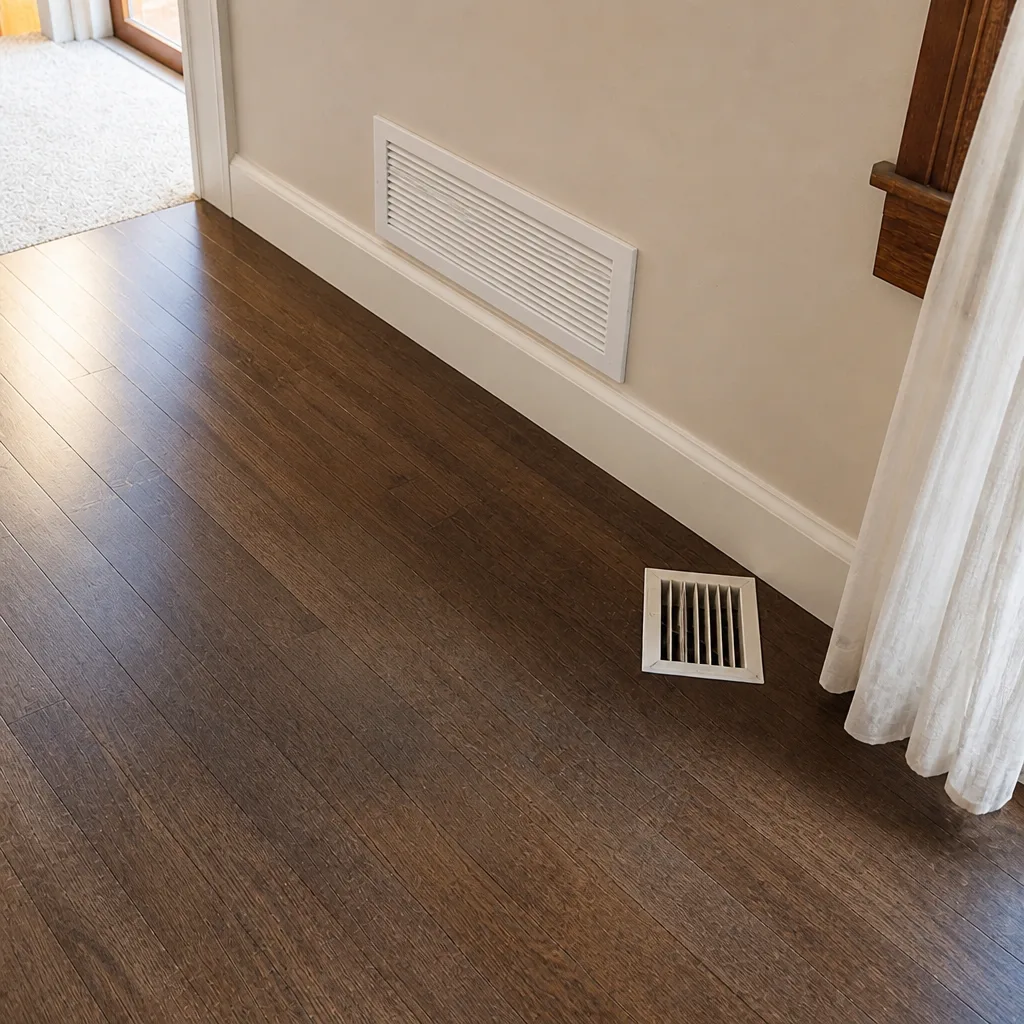
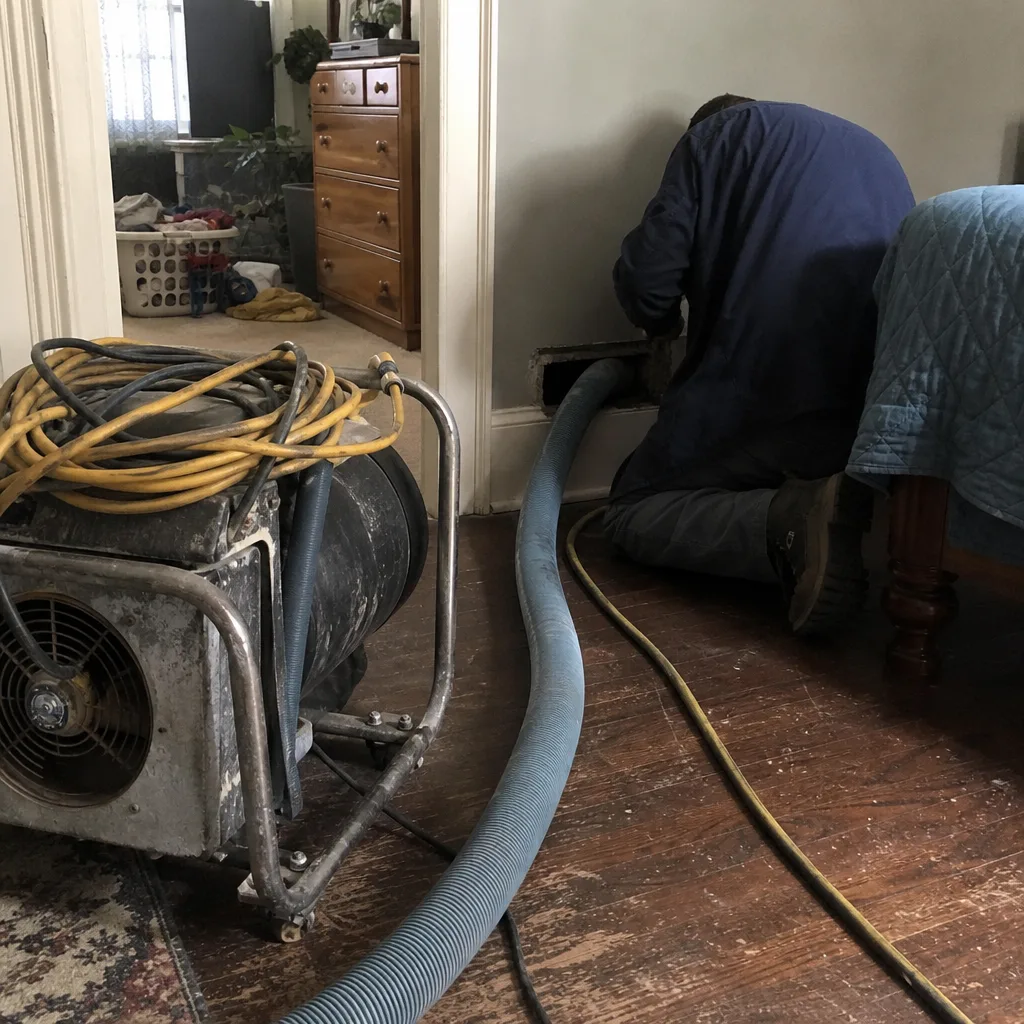
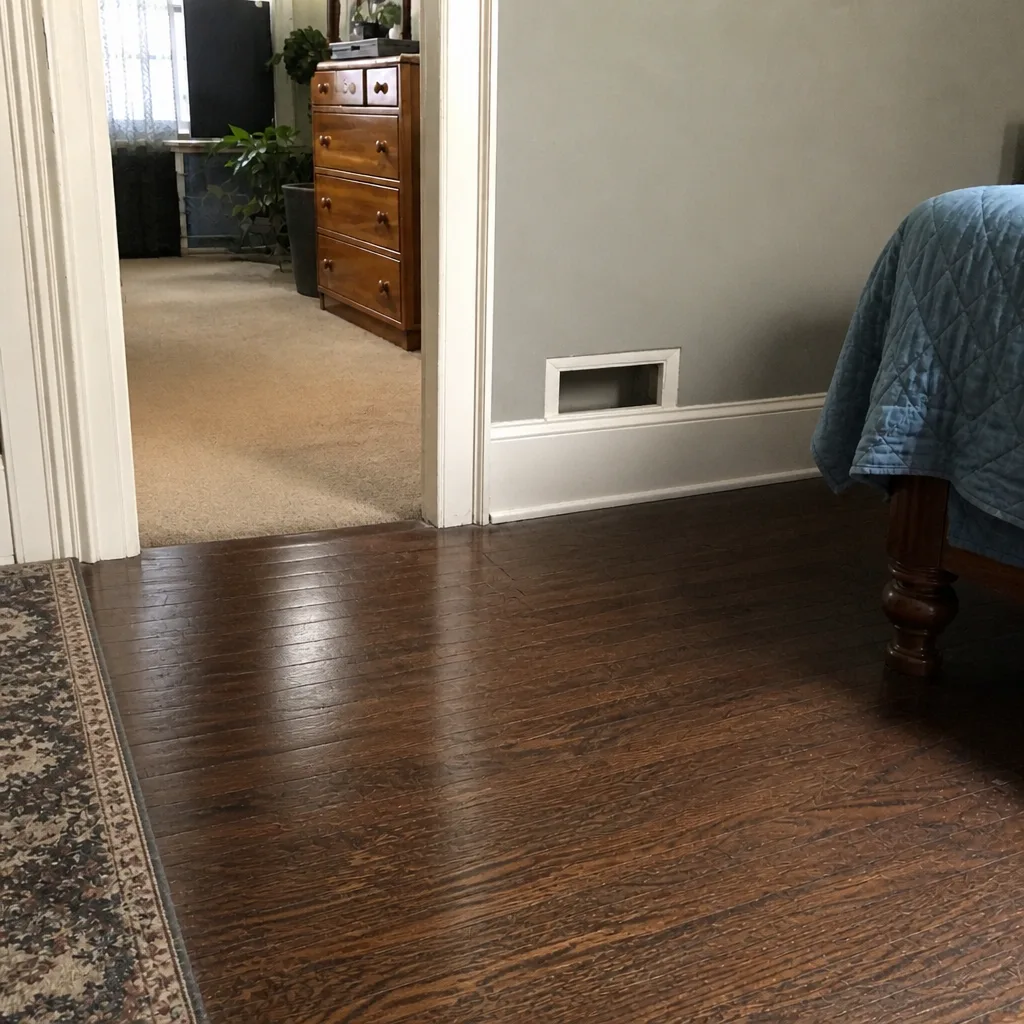
Whole-system duct and dryer vent check with before-and-after photos - you see exactly what came out of your vents
That "$99 whole-house special" is a bait ad - the real number appears once they are in your hallway, or the "clean" is a shop-vac at the register. We photograph the inside of your ducts before and after instead.
Air Duct Cleaning Troubleshooting in Mayfair: Common Problems and How to Fix Them
If a room in your Mayfair home runs about ten degrees warmer than the rest of the house, your first instinct is probably to call a duct cleaner. That instinct is half right. The other half is the part most crews skip: figuring out whether the duct is dirty, leaking, disconnected, or all three. Cleaning a duct system that’s leaking conditioned air into an attic won’t fix the temperature gap, no matter how much debris comes out. In this guide we’ll walk through the symptoms Mayfair homeowners actually report, what each one usually points to, how a proper diagnostic narrows it down before any cleaning starts, and which fixes require sealing or repair rather than a vacuum.
Quick Answer
Most air duct problems in Mayfair trace back to one of four conditions: debris buildup inside the trunk lines, mold or biological growth near the evaporator coil, disconnected or crushed flex duct sections, or unsealed joints leaking conditioned air into unconditioned space. A camera inspection and a pressure test reveal which condition is present, and that finding decides whether cleaning alone solves the problem or whether mastic sealing and duct repair are also needed.
Styles & brands we work with
- Whole-home duct cleaning
- Dryer vent cleaning
- Camera inspection
- Sanitizing & deodorizing
Table of Contents
- Why Your Duct Symptoms Don’t Tell You the Full Story
- Matching the Symptom to the Actual Cause
- How a Pressure Test and Camera Inspection Find the Real Problem
- What a Technician Physically Checks, Stage by Stage
- Cleaning Fixes Some Problems. Sealing and Repair Fix the Rest.
- The Decision Tree: If Symptom X Persists, Do Y Next
- When the Problem Isn’t the HVAC System at All
- Common Mistakes to Avoid
- When to Call a Professional
Why Your Duct Symptoms Don’t Tell You the Full Story
A musty smell coming from the registers feels like a cleaning problem. Sometimes it is. Often it’s moisture sitting on or near the evaporator coil, and the ducts themselves are just the delivery route for that smell. Weak airflow in one bedroom feels like a blockage. It could be a crushed flex duct in the attic, a damper stuck half-closed, or a return box that’s undersized for the room’s supply. Dusty registers feel like a housekeeping issue, and could be nothing more than a system that’s pulling air from a dirty return path.
The point is that a symptom and a cause live in different places. A homeowner in Mayfair notices the symptom in the living space. The cause usually sits in the mechanical space: a supply plenum with failing tape, a return box pulling attic air, a coil pan that isn’t draining properly. That gap between where you notice the problem and where the problem actually lives is why guessing at the fix so often wastes money.
Three complaints account for the large majority of what we diagnose in Mayfair homes:
- Uneven temperature between rooms. One room runs hot in summer, cold in winter, or both. This points at the supply and return balance, and often at leakage in the branch ducts feeding that room.
- Musty or stale odor at the registers. Odor that appears within minutes of the fan starting usually originates near the coil, the drain pan, or a wet section of duct liner.
- Dust returning faster than it should. Visible dust on registers days after a house cleaning is a filtration and leakage problem more often than a “dirty duct” problem.
Each of those three has a mechanical root cause, and each is diagnosable. That’s the core of what we’re covering here: not a list of things to fear, but a framework for finding which condition is actually present in your Mayfair home before anyone touches a cleaning tool.
Matching the Symptom to the Actual Cause
Here’s the mapping we use when we arrive at a home. It’s not a substitute for a real inspection, but it’s a useful starting frame, and it saves a lot of guesswork.
- Musty smell, odor strongest right as the fan starts: most often mold or biological growth at the evaporator coil, in the drain pan, or on wet insulation liner near the air handler. Cleaning the trunk lines alone won’t remove the source if the coil compartment is where growth is living.
- Dusty registers that keep coming back: usually a filtration shortfall combined with leakage. Air entering through a gap in a return box bypasses the filter entirely, so the system delivers unfiltered air right back to the room. That’s a sealing job as much as a cleaning job.
- Weak airflow at a single register, but the rest of the house is fine: a collapsed or disconnected flex duct in the attic, a damper in the wrong position, or a boot that’s pulled loose at the register collar.
- Weak airflow everywhere: an undersized return path, a clogged or collapsed main trunk, or a blower issue upstream of the ductwork itself. This one needs a pressure test to separate duct causes from equipment causes.
- Temperature gaps between floors: leakage in the supply plenum and main trunk, plus an unbalanced return. Sealing and a balancing check come before cleaning in these cases.
Notice how often the likely culprit in Mayfair homes is leakage or moisture rather than debris. That’s the part of the trade most homeowners don’t hear, because “your ducts are dirty” is a simpler sales pitch than “your ducts are leaking and pulling attic air.” The two are different problems with different fixes.
How a Pressure Test and Camera Inspection Find the Real Problem
Before any cleaning starts, a proper diagnostic sorts the four likely conditions from one another. Two tools do most of the work: a pressure test and a visual camera inspection. Together they tell us not just whether the system is dirty, but where it’s leaking and where the moisture is living.
A pressure test is a leakage check on the duct system. Air is introduced into the ductwork with the registers temporarily sealed, and measured leakage tells us how much of your conditioned air is escaping into the attic, crawlspace or wall cavities. A duct system delivering most of its air to the rooms it serves tests one way. A system losing a meaningful share of its supply to unconditioned space tests very differently. That measurement is what separates a cleaning job from a sealing job.
A visual camera inspection runs through the supply plenum, the main trunk, the branch lines and the return path. The camera shows what a vacuum can’t:
- Flex duct condition. Crushed, kinked or disconnected sections are visible on camera, and they matter because a crushed flex run can strangle airflow to a room no matter how clean the rest of the system is.
- Liner condition. Interior duct liner that’s torn, wet or delaminating becomes a growth surface. Cleaning can’t repair deteriorated liner, and it can make a torn liner worse if it’s handled carelessly.
- Joints and connections. Taped joints that have failed, mastic that’s cracked, and boots that have separated from the register collar all show up here.
- Coil compartment. This is where musty odor usually starts. The camera reveals whether the coil, drain pan or cabinet interior shows moisture or growth.
Combining the two diagnostics gives a clear picture of the system before we recommend anything. Cleaning plus sealing, cleaning alone, sealing alone, or a repair – the film tells us which. Skipping this step is how a homeowner ends up paying for a cleaning that doesn’t touch the actual problem.
What a Technician Physically Checks, Stage by Stage
If you’ve never watched a duct diagnostic, the order of work can look like random activity. Here’s what a trained technician is actually doing, in the order most jobs follow. Our technicians have up to 8 years of experience with this kind of inspection, and the routine reflects how five distinct checkpoints have to be covered to diagnose a system properly.
- Air handler and supply plenum. The technician opens the cabinet, inspects the coil fins and drain pan for moisture, confirms the pan is draining, and checks the seams where the plenum meets the air handler. Failing tape or mastic at this seam is one of the most common leak points, and it’s directly upstream of every register in the house.
- Main trunk line. Camera and visual inspection along the trunk identify debris accumulation, liner condition, and any sections where the trunk has sagged or lost support. A sagging trunk collects debris and can restrict flow.
- Branch flex duct connections. Every takeoff from the trunk is checked for a fully seated, properly secured collar. Flex duct that’s been pulled tight, kinked, or left with a slack loop can strangle airflow to one room while the rest of the house is fine.
- Return boxes and return air path. Return boxes get checked for air gaps at the framing, tightness of the filter slot, and whether the box is pulling air from a dirty attic or crawlspace instead of the living space. Unfiltered return air is a major cause of the dusty-register complaint.
- Register boots and diffusers. Boots are checked where they meet drywall or flooring, because gaps there pull air from inside the wall cavity. The register opening itself is checked for proper sealing between boot and finished surface.
Each of those five checkpoints gets a written note on the diagnostic. That’s how a homeowner knows what the technician found and why a specific recommendation follows from it, rather than a technician pointing at a vent and saying “that needs cleaning.”
Cleaning Fixes Some Problems. Sealing and Repair Fix the Rest.
This is the distinction that saves Mayfair homeowners the most money, and the one that’s hardest to hear from a crew that only cleans. Some duct problems live in the debris itself. Others live in the duct structure. Cleaning removes the first. Sealing and repair address the second.
Cleaning resolves:
- Debris accumulation in the trunk and branches from years of unfiltered air, remodeling dust, or return-side bypass.
- Surface dust and settled particulate inside ducts and at the register boots.
- Dust and debris on the blower wheel and cabinet surfaces, which affects airflow and efficiency.
Cleaning does not resolve:
- Air leaking through failed joints, plenum seams, or boot gaps. The air continues to escape into the attic or wall cavity no matter how clean the duct interior is.
- A crushed or disconnected flex duct feeding a single room. The duct has to be replaced or reconnected, not cleaned.
- Deteriorated interior liner, which needs to be repaired or the affected section replaced.
- Mold growth at the coil that’s active because of a moisture problem upstream. Fixing the moisture source and treating the growth come first.
That’s why we treat air duct cleaning and duct repair and sealing as one integrated service rather than two separate visits. A crew that only cleans will clean the system and hand you a list of leaks it found but can’t fix. We diagnose, clean, and seal in the same engagement, which is the difference between a duct system that’s clean and a duct system that’s clean and tight.
For the cleaning itself, we use Rotobrush contact-cleaning systems – the rotary-brush equipment specified by NADCA-trained contractors – plus Nikro professional rigs for source-removal work at the air handler and coil compartment. Contact cleaning physically agitates debris off the duct wall and extracts it, rather than just pulling air at a register and hoping debris follows. During the job, Abatement Technologies negative-air and HEPA equipment keeps dislodged particulate contained rather than recirculating into the house.
The Decision Tree: If Symptom X Persists, Do Y Next
Once the job is done, some symptoms resolve immediately and some don’t. Here’s the frame for what to do next, so you aren’t guessing if a complaint comes back.
- Musty odor still there after cleaning. The next diagnostic step is a coil and drain pan inspection with the camera. Odor returning within days of a cleaning usually points to an active moisture issue upstream of the ducts, and the coil compartment is the first place to look.
- Dusty registers back within a few weeks. The next diagnostic step is a pressure test on the return side and a check for return-side bypass. If the system pulls unfiltered air from the attic or wall cavity, sealing the return box and upgrading filtration is the fix, not another cleaning.
- One room still on the wrong temperature. The next diagnostic step is a camera check of that room’s branch flex run plus a damper position check. A crushed or disconnected duct can’t be cleaned back into working order, and that’s the most common single-room cause.
- Airflow still weak everywhere. The next diagnostic step is a full-system pressure test with the blower running, separating equipment problem from duct problem. Sometimes the answer is in the air handler, not the ducts.
- All symptoms resolved and staying resolved. The next diagnostic step is nothing. A clean, tight system running proper filtration doesn’t need more visits. The right follow-up interval depends on your home’s filtration, the return path, and whether there’s been remodeling or water intrusion.
This decision tree is what a thorough diagnostic after cleaning actually looks like. If a crew doesn’t offer one, the cleaning is the end of their involvement regardless of whether the underlying issue got fixed.
When the Problem Isn’t the HVAC System at All
Some of the airflow complaints that prompt an HVAC call turn out to have nothing to do with the trunk lines. If the dryer is slow to dry a load, the laundry room feels hot, or lint is showing up around the dryer door seal, that’s a separate ventilation system with a separate set of risks. A clogged dryer vent restricts airflow the same way a crushed flex duct does, but the consequence is lint accumulation and heat, which is a fire-safety issue rather than a comfort issue.
We treat dryer vent cleaning as its own service for exactly that reason. The equipment is different (the vent run is a straight shot, usually through a wall or roof), and the diagnostic is focused on lint buildup along the run and any crushed or disconnected sections behind the dryer. If your airflow problem is specifically in the laundry area, that’s the first thing to test, not the HVAC system.
Mayfair homes of a certain vintage often have longer or more complex dryer vent runs than newer construction – a run through an exterior wall with a couple of elbows goes further and packs more lint than a straight shot through a short wall. If your dryer has been taking two cycles to dry one load, it’s worth checking before you assume the machine is failing.
Common Mistakes to Avoid
- Treating the symptom without testing for the cause. Calling a cleaner because the registers look dusty skips the diagnostic that would show whether the real problem is a leaky return or a dirty coil. Without the test, the fix may be applied to the wrong part of the system.
- Assuming cleaning will fix a temperature gap. Cleaning a clean but leaking system is wasted work. A pressure test should come first whenever uneven airflow is the complaint.
- Skipping the camera inspection on flex duct. A crushed or disconnected flex run in the attic can only be confirmed visually. If a technician never opens the attic to look, the single-room airflow problem won’t be found.
- Accepting a “clean” without a documented inspection. A cleaning with no before-and-after photos and no diagnostic notes is hard to verify. Ask what was measured and what was photographed. This matters in Mayfair as much as anywhere, and it’s the honest defense against the duct-cleaning industry’s worst reputation problems.
- Upgrading filtration without fixing return-side bypass. A high-efficiency filter is only as good as the housing it sits in. If the return box pulls attic air around the filter, the filter upgrade doesn’t help.
- Ignoring moisture at the coil. A drain pan that’s not draining properly leads to biological growth in the cabinet, and cleaning the ducts above it won’t stop the smell. The moisture source is the root.
- Treating the dryer vent like an HVAC duct. Dryer vents have their own lint and heat risks, and the cleaning approach is different. Don’t assume one service covers the other.
When to Call a Professional
Call a professional when a symptom has a clear mechanical explanation you can’t verify yourself, when more than one room is affected, when you’ve had water intrusion or remodeling that sent debris into the system, or when a cleaning was done and the same problem returned. Also call if you smell musty odor that worsens when the fan starts, notice visible lint buildup around the dryer, or see gaps at the register boots that pull air from the wall cavity. Each of these is diagnosable with a camera and a pressure test before anyone quotes a fix.
Air Duct Cleaning Mayfair offers free estimates in Mayfair – call (888) 611-5717. Our technicians have up to 8 years of experience, and the estimate covers the diagnostic work, the cleaning plan and any duct repair or sealing that’s needed. The price is set per job by the written estimate, so there’s no per-vent pricing surprise once the equipment is running. We answer 24/7, with fast dispatch from 7am to 7pm, Sunday through Friday.
See the difference
 Before
 After
 Before
 After
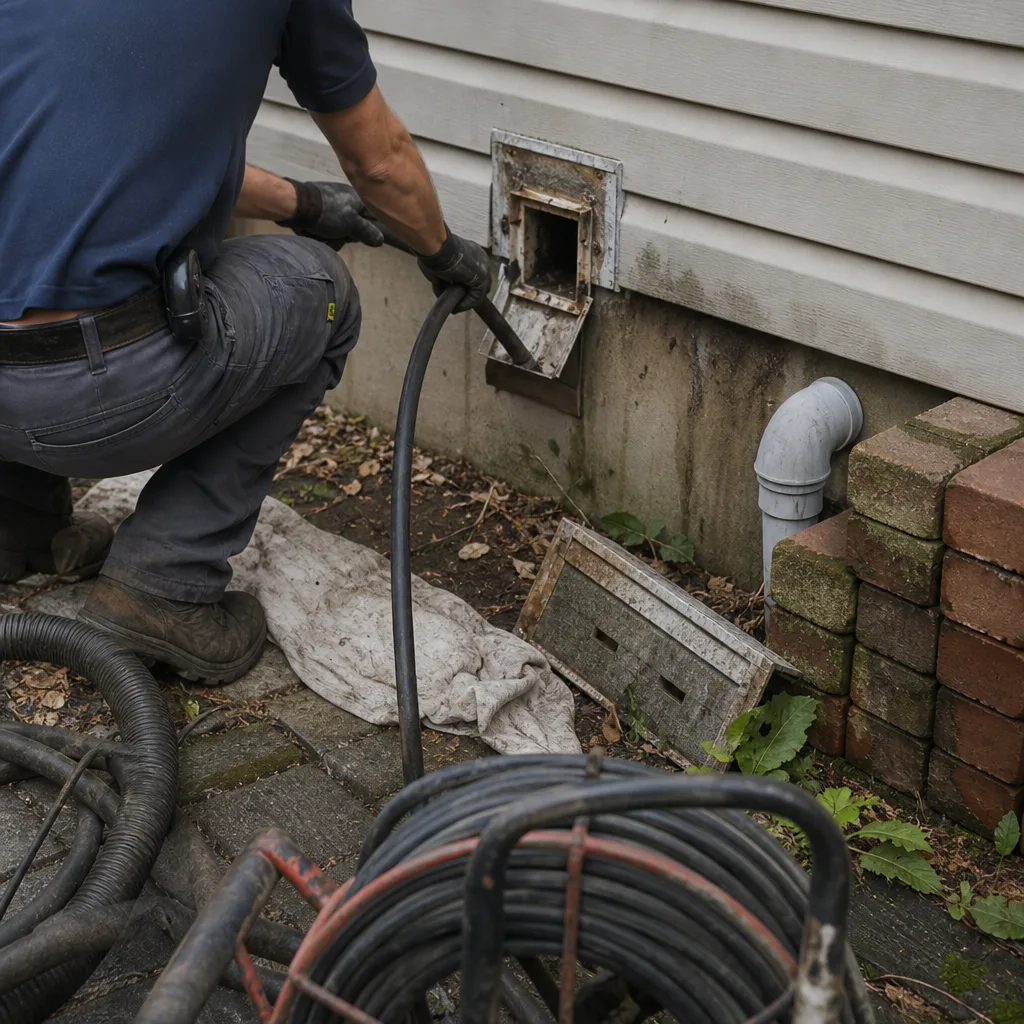 Before
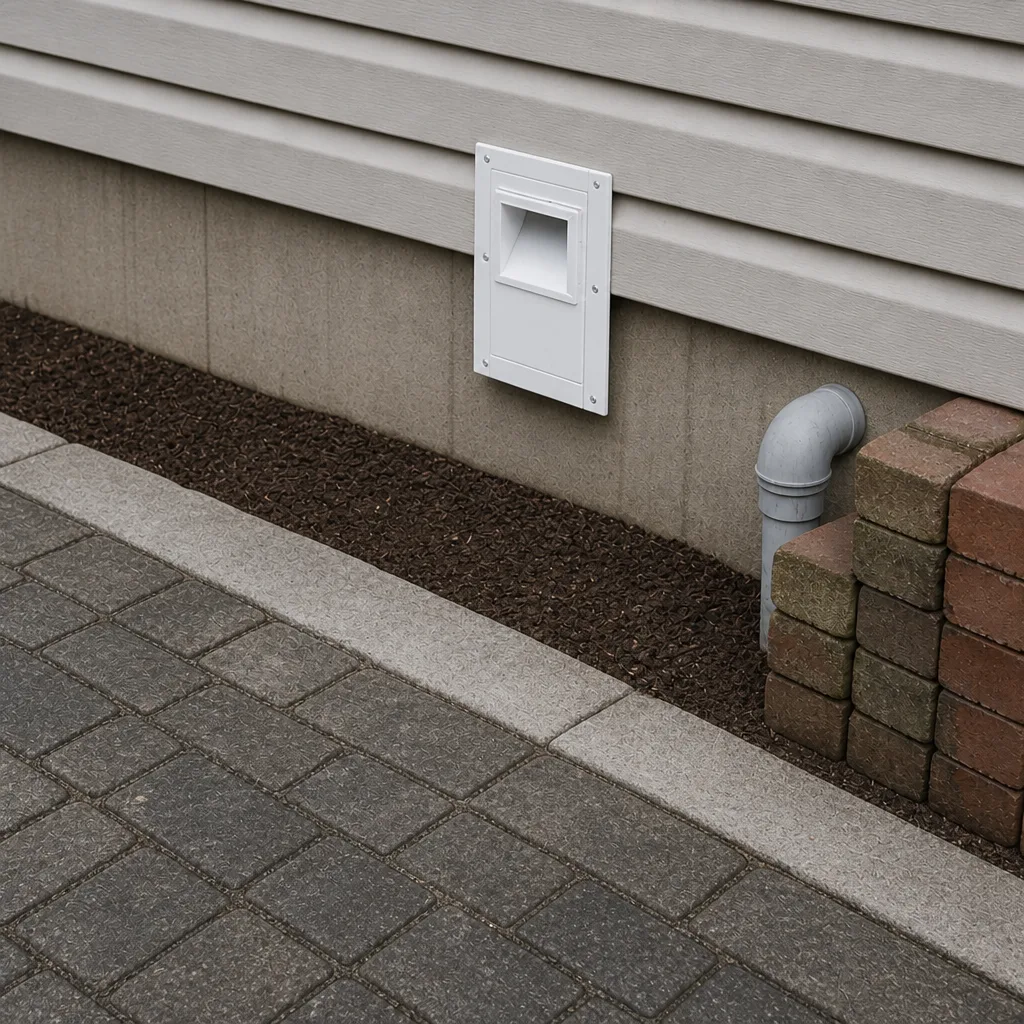 After
Frequently Asked Questions
Air duct cleaning in Mayfair typically falls into a range based on the size of the system, the number of supply and return runs, and whether duct repair or sealing is included. We give a flat price per system agreed before work starts, so you know the total before the crew arrives. Call (888) 611-5717 for an exact quote – estimates are free.
Low quote figures usually cover a pass with a shop vacuum at the registers, not contact cleaning of the trunk, branches and air handler. The equipment matters – a rotary-brush system like Rotobrush or a Nikro rig does the physical work a vacuum alone can’t, and it takes more time. A written estimate that states what will be cleaned and how is the fair comparison, not a coupon figure. Call (888) 611-5717 for an itemized, flat per-system quote – estimates are free.
Before-and-after photos of your own ductwork are the honest proof. We photograph the supply plenum, the trunk, the branch lines and the air handler before and after cleaning, so you can see what came out. An estimate that doesn’t include a camera inspection and photo documentation is one to question, no matter what city you’re in.
For most Mayfair homes, the honest answer is less often than the trade likes to suggest. If you’ve had no water intrusion, no major remodeling and no return-side bypass, a system with decent filtration can go a long way between cleanings. Homes with pets, allergies, or a history of return-side leakage need a diagnostic sooner, and the diagnostic tells you more than a calendar does. Call (888) 611-5717 if you want an honest assessment instead of a scheduled reminder – estimates are free.
Cleaning alone usually doesn’t fix single-room airflow problems. If one room runs hot or cold while the rest of the house is fine, the most common causes are a crushed flex duct, a stuck damper, or a boot that’s pulled loose from the collar – structural issues that need repair or reconnection, not cleaning. Call (888) 611-5717 to schedule the camera inspection and pressure test first, then decide.
Cleaning removes debris from inside the ducts. Sealing closes the leaks where conditioned air escapes into the attic, crawlspace or wall cavities, and where unfiltered air gets pulled in. In Mayfair homes we often do both in the same visit, because cleaning a leaking system leaves the air loss untouched. We also handle HVAC cleaning on the same call, so the whole air path – ductwork, air handler and coil compartment – gets addressed together. For more background on what the service covers from the start, see air duct cleaning Mayfair.
The Bottom Line
Duct problems are mechanical, and mechanical problems have specific causes. A musty smell, dusty registers, an uneven room or weak airflow across the whole house each points to a different root condition. The diagnostic – a pressure test plus a camera inspection, before any cleaning starts – tells you which one you’re dealing with. Cleaning fixes what lives in the debris; sealing and repair fix what lives in the structure. Mayfair homeowners who want a verifiable process get one when the estimate includes the diagnostic, the equipment and the option to repair what’s found, not just vacuum what’s touched on the way through.
If you’re ready for a technician to look at the actual system rather than a coupon page, call (888) 611-5717. The estimate is free, the price is flat per system and set by the written estimate before any work begins, and the crew brings the diagnostics to the job. We answer 24/7, with fast dispatch from 7am to 7pm, Sunday through Friday.
Written by the team at Air Duct Cleaning Mayfair.